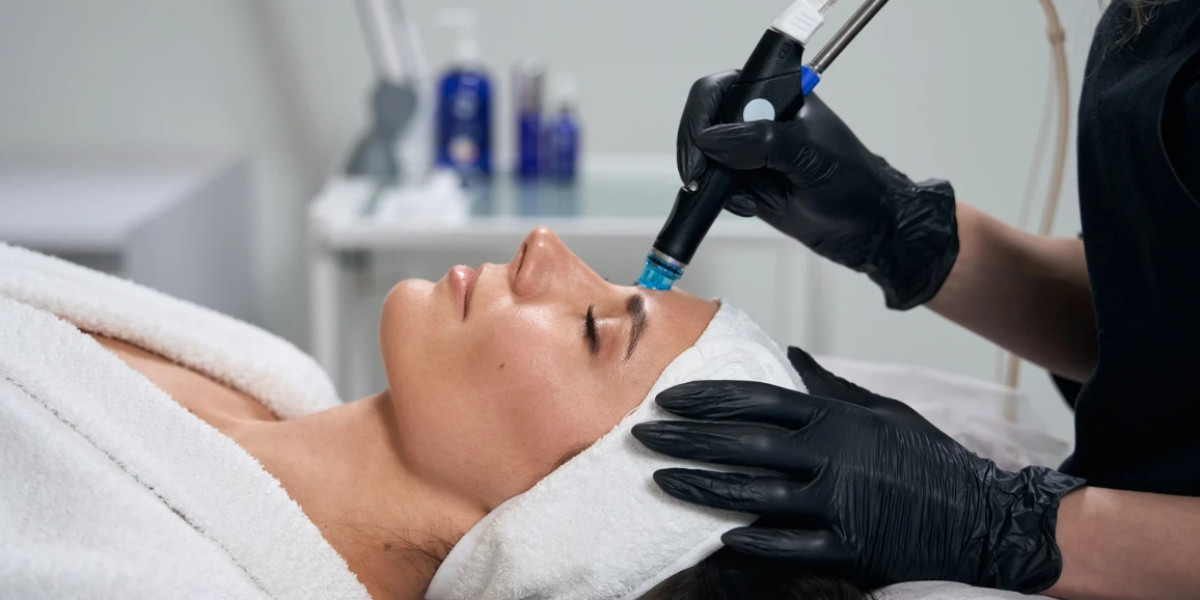

Hydrafacial vs Chemical Peels: Complete Comparison
Introduction
Hydrafacial and chemical peels are two of the most popular professional skincare treatments used to improve skin texture, brightness, acne, and pigmentation. While both aim to enhance skin appearance, they work in very different ways.
Hydrafacial is a non-invasive, technology-based treatment focused on cleansing, exfoliation, extraction, and hydration. Chemical peels, on the other hand, use controlled acids to remove layers of skin and trigger regeneration. Hydrafacial in Riyadh is becoming a popular skincare treatment for achieving deep cleansing, hydration, and a natural glow in a short, non-invasive session.
Understanding the differences helps you choose the right treatment based on your skin type, concerns, and tolerance level.
What is Hydrafacial?
Hydrafacial is a multi-step, machine-based facial treatment that uses vortex technology to:
- Clean deep inside pores
- Gently exfoliate dead skin cells
- Extract blackheads and impurities
- Infuse hydrating and nourishing serums
It is known for being gentle, quick, and having no downtime.
What is a Chemical Peel?
A chemical peel is a skin-resurfacing procedure that uses acids such as glycolic acid, salicylic acid, or trichloroacetic acid (TCA) to remove the outer layers of skin.
Depending on strength, chemical peels can be:
- Superficial (mild exfoliation)
- Medium depth (targeting pigmentation and texture)
- Deep (strong resurfacing for severe skin damage)
Peels work by intentionally causing controlled skin shedding to stimulate renewal.
Key Differences Between Hydrafacial and Chemical Peels
1. Treatment Method
Hydrafacial:
- Uses vortex suction technology
- Mechanical + serum-based treatment
- No skin injury or peeling required
Chemical Peels:
- Uses acids to chemically exfoliate skin layers
- Causes controlled damage to trigger regeneration
- May result in visible peeling
? Hydrafacial is gentler and non-invasive, while peels are more aggressive.
2. Depth of Action
Hydrafacial:
- Works on surface and pore-level cleaning
- Focuses on hydration and maintenance
- Mild resurfacing effect
Chemical Peels:
- Can penetrate deeper skin layers
- Targets pigmentation, scars, and wrinkles more intensely
- Stronger skin renewal process
? Peels are deeper and more corrective; Hydrafacial is more maintenance-focused.
3. Pain and Comfort Level
Hydrafacial:
- Painless and soothing
- Feels like light suction and cooling
Chemical Peels:
- Can cause stinging or burning sensation
- Discomfort depends on peel strength
? Hydrafacial is more comfortable overall.
4. Downtime and Recovery
Hydrafacial:
- No downtime
- Skin looks normal or glowing immediately
Chemical Peels:
- May cause redness, peeling, and flaking for days
- Requires healing time
? Hydrafacial is ideal for instant results without recovery.
5. Results and Effectiveness
Hydrafacial:
- Immediate glow and hydration
- Improves pores, texture, and mild pigmentation
- Best for regular maintenance
Chemical Peels:
- Strong improvement in pigmentation, acne scars, and wrinkles
- More dramatic skin resurfacing
- Longer-lasting corrective effects
? Peels offer deeper correction; Hydrafacial offers consistent improvement.
6. Suitability for Skin Types
Hydrafacial:
- Safe for almost all skin types
- Ideal for sensitive skin
- Customizable intensity
Chemical Peels:
- Not suitable for very sensitive or reactive skin
- Must be carefully selected based on skin type
- Higher risk of irritation if misused
? Hydrafacial is more universally safe.
7. Hydration and Skin Barrier Effect
Hydrafacial:
- Deeply hydrates skin
- Strengthens skin barrier
- Leaves skin plump and moisturized
Chemical Peels:
- Can temporarily dry or weaken skin barrier
- Requires strong post-treatment care
? Hydrafacial supports hydration; peels focus on resurfacing.
8. Frequency of Treatment
Hydrafacial:
- Can be done every 3–6 weeks
- Suitable for regular maintenance
Chemical Peels:
- Done every 4–8 weeks depending on strength
- Requires recovery gaps
? Hydrafacial is more frequent and routine-friendly.
When to Choose Hydrafacial
Hydrafacial is ideal if you want:
- Instant glow before events
- Deep cleansing without irritation
- Hydrated and fresh-looking skin
- Maintenance for acne or clogged pores
- A gentle, regular skincare routine
It is especially good for sensitive or dry skin types.
When to Choose Chemical Peels
Chemical peels are better if you need:
- Strong treatment for pigmentation or melasma
- Reduction of acne scars
- Deep skin resurfacing
- Anti-aging correction for fine lines and wrinkles
- More intensive skin transformation
They are more suitable for targeted skin problems.
Can Hydrafacial and Chemical Peels Be Combined?
Yes, but not on the same day.
Combination benefits:
- Hydrafacial prepares skin for better peel absorption
- Peels improve long-term skin correction
- Together they enhance overall results
Important:
- Must be spaced properly (usually 1–2 weeks apart)
- Should be guided by a skincare professional
Pros and Cons Summary
Hydrafacial Pros:
- No downtime
- Gentle and painless
- Instant glow
- Suitable for all skin types
- Deep hydration
Hydrafacial Cons:
- Less effective for deep scars or severe pigmentation
- Requires regular sessions for maintenance
Chemical Peel Pros:
- Strong correction for pigmentation and scars
- Long-term skin resurfacing
- Effective anti-aging results
Chemical Peel Cons:
- Downtime and peeling
- Possible irritation
- Not suitable for sensitive skin
Conclusion
Hydrafacial and chemical peels are both effective skincare treatments, but they serve different purposes. Hydrafacial focuses on gentle cleansing, hydration, and maintenance with no downtime, making it ideal for regular use and instant glow. Chemical peels provide deeper skin resurfacing and are better for treating stubborn pigmentation, scars, and aging concerns.