
Introduction
In modern industrial systems, maintaining the correct cooling process is essential for achieving stable and reliable equipment operation. A properly monitored cooling system helps prevent overheating, reduces unnecessary wear, and improves overall productivity. This is where a coolant flow meter becomes highly important in industrial applications. By accurately measuring the movement of coolant within a system, businesses can monitor cooling efficiency and identify performance issues before they become major problems.
From robotic welding systems to CNC machinery and manufacturing equipment, coolant flow monitoring plays a major role in supporting equipment performance and long-term operational reliability.
What Is a Coolant Flow Meter?
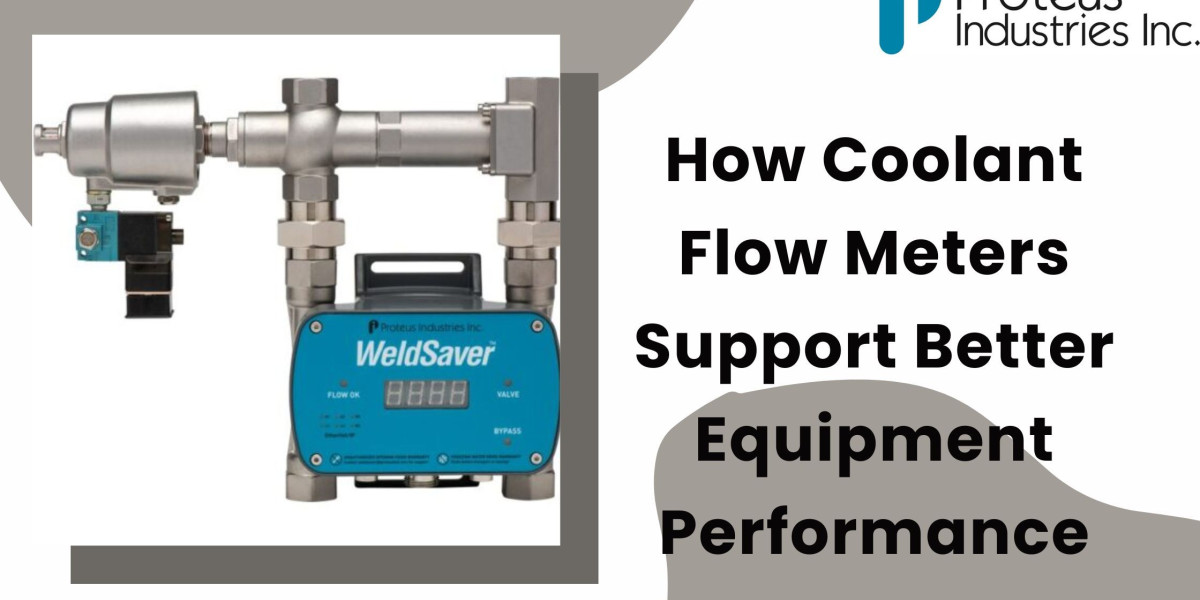
A coolant flow meter is a device designed to measure the rate of coolant flowing through a cooling system. It helps operators ensure that the correct amount of coolant is reaching equipment components that require temperature control.
These flow meters are commonly used in:
- Industrial cooling systems
- Robotic welding equipment
- Laser machinery
- Injection molding systems
- Automotive manufacturing units
The primary purpose of a coolant flow meter is to maintain consistent coolant circulation and prevent equipment from operating under unsafe temperature conditions.
Why Cooling System Monitoring Matters
Industrial equipment generates significant heat during operation. Without proper cooling, excessive heat can damage components, reduce machine accuracy, and increase maintenance requirements.
Monitoring coolant flow provides several operational advantages:
Improved Equipment Protection
When coolant flow drops below the required level, equipment may begin overheating. A coolant flow meter quickly identifies abnormal flow conditions, helping operators take corrective action before damage occurs.
Increased Operational Efficiency
Stable coolant circulation allows machines to maintain consistent performance. Proper temperature control helps systems operate more efficiently and reduces production interruptions.
Reduced Maintenance Costs
Early detection of flow-related problems can help prevent severe equipment failures. This reduces repair expenses and extends the lifespan of machinery.
How Coolant Flow Meters Improve Equipment Performance
Coolant flow meters directly support equipment performance by ensuring that cooling systems function correctly at all times.
Accurate Flow Monitoring
One of the biggest benefits of coolant flow meters is their ability to provide real-time flow measurements. Operators can instantly identify whether coolant levels are too low, too high, or inconsistent.
This accuracy helps maintain stable equipment temperatures and reduces performance fluctuations.
Prevention of System Overheating
Overheating is one of the most common causes of equipment failure in industrial environments. A coolant flow meter helps detect insufficient coolant circulation before overheating affects system performance.
By maintaining proper coolant flow, equipment can continue operating safely under demanding conditions.
Better Production Consistency
In manufacturing environments, temperature variations can affect product quality and machine precision. Consistent coolant flow helps maintain stable operating conditions, leading to more reliable production outcomes.
Support for Automated Systems
Modern industrial facilities often use automated monitoring systems. Many coolant flow meters integrate with automated controls and alarm systems, allowing operators to receive immediate alerts if coolant flow changes unexpectedly.
This improves response time and minimizes downtime.
Common Issues Detected by Coolant Flow Meters
A coolant flow meter can help identify several common cooling system problems before they become serious.
Blocked Coolant Lines
Debris or contamination inside coolant lines may reduce coolant movement. Flow meters help detect these restrictions early.
Pump Failures
If a coolant pump begins malfunctioning, coolant flow may decrease significantly. Monitoring systems can quickly identify this issue through abnormal flow readings.
Coolant Leaks
Leaks can reduce coolant availability and lower system efficiency. Flow monitoring helps operators identify unexpected drops in coolant circulation.
Inconsistent Cooling Performance
Irregular flow rates may indicate pressure problems, damaged components, or system imbalance. Early identification supports faster maintenance and repair.
Choosing the Right Coolant Flow Meter
Selecting the correct coolant flow meter depends on the type of equipment and cooling system requirements.
Factors to consider include:
- Flow measurement accuracy
- Temperature resistance
- System compatibility
- Pressure handling capability
- Installation requirements
Industries should choose flow meters designed specifically for their operational environment to ensure reliable performance and long-term durability.
Our Cooling System Monitoring Solutions
At our company, we provide advanced coolant flow monitoring solutions designed to support industrial equipment reliability and operational efficiency. Our products are developed for demanding applications where accurate coolant monitoring is essential for maintaining safe and stable system performance.
We focus on delivering high-quality coolant flow meter solutions that help businesses improve cooling efficiency, reduce downtime, and protect critical equipment from overheating-related damage. Whether used in robotic welding systems, manufacturing facilities, or industrial automation environments, our solutions are designed to support consistent and dependable operation.
Our team also assists customers with selecting the right coolant monitoring systems based on their specific equipment requirements and operational goals.
Conclusion
Coolant flow meters play a critical role in maintaining efficient and reliable industrial cooling systems. By monitoring coolant circulation accurately, these devices help prevent overheating, improve machine performance, reduce maintenance costs, and support long-term equipment reliability.
As industrial systems continue to become more advanced and automated, accurate coolant flow monitoring is becoming increasingly important for maintaining operational stability and maximizing productivity. Investing in the right coolant flow meter solution can significantly improve equipment performance while reducing the risk of costly system failures.
Frequently Asked Questions
What does a coolant flow meter do?
A coolant flow meter measures the flow rate of coolant within a cooling system to ensure proper circulation and temperature control.
Why is coolant flow important in industrial equipment?
Proper coolant flow helps prevent overheating, protects equipment components, and maintains stable machine performance.
Can coolant flow meters help reduce downtime?
Yes, coolant flow meters help identify cooling system issues early, allowing operators to address problems before major equipment failures occur.
Where are coolant flow meters commonly used?
They are widely used in robotic welding systems, CNC machines, laser equipment, manufacturing plants, and industrial cooling systems.
How do coolant flow meters improve efficiency?
By maintaining proper coolant circulation, flow meters help equipment operate at stable temperatures, improving performance and reducing maintenance needs.