
Myths and Misconceptions About Botox: Separating Fact From Fiction
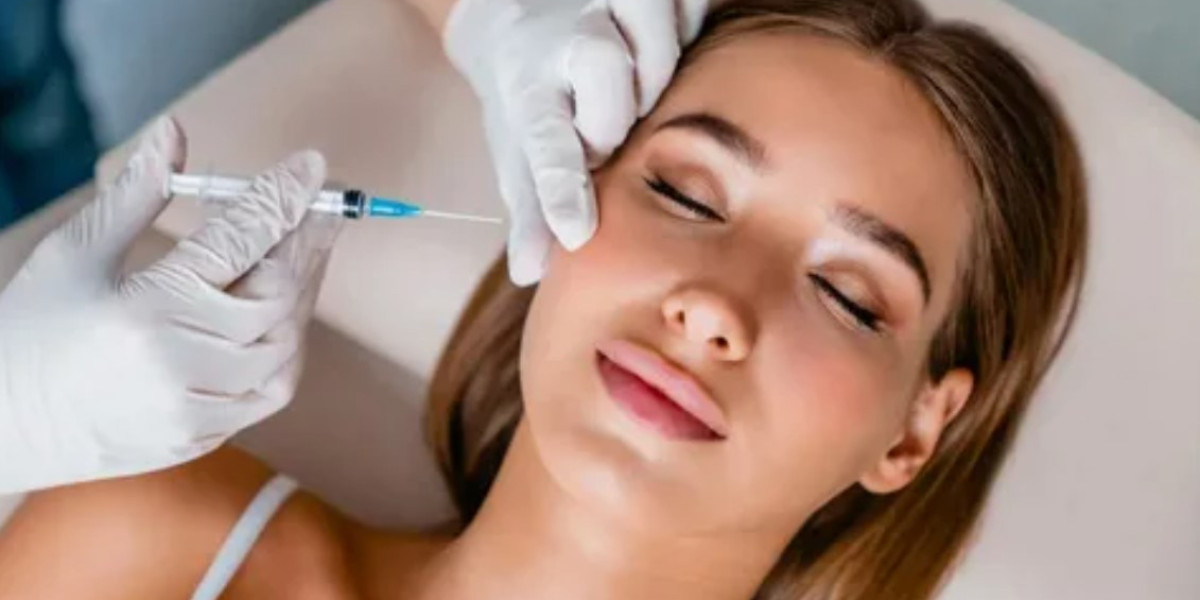
Botox is one of the most widely discussed cosmetic treatments in the world, yet it is also surrounded by confusion, fear, and misinformation. While millions of people use it safely for both medical and aesthetic purposes, many misconceptions still shape public opinion. Botox injection in Riyadh is a popular cosmetic procedure used to reduce fine lines and wrinkles by temporarily relaxing facial muscles.
Understanding what Botox actually does—and what it does not do—is essential for anyone considering it. In this article, we’ll break down the most common myths about Botox and explain the science-backed facts behind them.
What Botox Actually Is and How It Works
Botox is a purified form of botulinum toxin type A. In controlled, medical doses, it is used to temporarily relax specific muscles.
When injected into targeted facial muscles, it blocks nerve signals that cause muscle contraction. This reduces the appearance of dynamic wrinkles, such as forehead lines, crow’s feet, and frown lines between the eyebrows.
The effects are temporary, typically lasting 3 to 4 months, after which muscle activity gradually returns.
Botox is also used for medical conditions such as chronic migraines, excessive sweating, muscle spasms, and jaw tension.
Myth 1: Botox Freezes Your Face Completely
One of the most common fears is that Botox leaves people unable to move their face or express emotions.
The Truth
When administered correctly by a trained professional, Botox does not freeze the face. Instead, it relaxes specific muscles while allowing natural expression.
A “frozen” appearance usually results from:
- Overuse of Botox
- Incorrect injection technique
- Poor understanding of facial anatomy
Proper treatment aims for a natural, refreshed look—not stiffness.
Myth 2: Botox Is Only for Older People
Many people believe Botox is only suitable for individuals with deep wrinkles or advanced signs of aging.
The Truth
Botox is used by a wide age range, often starting in the late 20s or early 30s as a preventive treatment.
Younger patients may use it to:
- Prevent deep wrinkle formation
- Slow down visible aging
- Relax overactive facial muscles
This approach is often called “preventive Botox,” but it is still a personal choice and not medically required.
Myth 3: Botox Is Dangerous and Toxic
Because Botox is derived from a toxin, many people assume it is unsafe.
The Truth
Botox is extremely safe when used in controlled, medical doses by licensed professionals. It has been approved by health authorities worldwide and used for decades in both cosmetic and medical treatments.
The key difference lies in dosage:
- Large uncontrolled amounts of botulinum toxin can be harmful
- Medical Botox uses highly purified, carefully measured doses
In cosmetic use, the amount is very small and localized.
Myth 4: Botox Is Permanent
Some people worry that Botox will permanently change their face or muscles.
The Truth
Botox is not permanent. Its effects gradually wear off as nerve endings regenerate and muscle activity returns.
Most results last:
- 3 to 4 months for cosmetic use
- Sometimes slightly longer with repeated treatments
If someone stops using Botox, their face simply returns to its natural aging process—no permanent damage occurs.
Myth 5: Botox Is Painful
Needles in the face can sound intimidating, leading many to assume Botox is very painful.
The Truth
Most people describe Botox injections as mild and quick discomfort rather than pain. The needles used are extremely fine, and the procedure typically takes only a few minutes.
Some patients may feel:
- A slight pinch
- Mild pressure
- Temporary tingling
No anesthesia is usually required.
Myth 6: Botox Is Addictive
There is a belief that Botox causes physical addiction or dependence.
The Truth
Botox is not chemically addictive. It does not create cravings or withdrawal symptoms.
However, some people choose to continue treatments because they like the results. This is a cosmetic preference, not addiction.
Myth 7: Botox Is Only for Women
Botox is often marketed toward women, leading to the misconception that men do not use it.
The Truth
An increasing number of men receive Botox treatments for both cosmetic and medical reasons.
Common reasons include:
- Reducing forehead lines
- Softening frown lines
- Treating excessive sweating
- Maintaining a youthful appearance in professional settings
Male Botox use is growing steadily worldwide.
Myth 8: Once You Start Botox, You Can’t Stop
This myth causes unnecessary fear among first-time users.
The Truth
You can stop Botox at any time. Your muscles will gradually regain normal movement as the treatment wears off.
What actually happens after stopping:
- Wrinkles may slowly return to their natural state
- You do not get “worse” than before treatment
- There is no dependency or rebound effect
Myth 9: Botox Is the Same as Dermal Fillers
Many people confuse Botox with fillers, but they are very different treatments.
The Truth
- Botox relaxes muscles to reduce dynamic wrinkles
- Dermal fillers restore volume and plump skin
They are often used together, but they serve different purposes. Botox does not add volume, and fillers do not relax muscles.
Myth 10: Botox Makes You Look Artificial
Social media often shows exaggerated or poorly done results, leading to this belief.
The Truth
Natural-looking Botox results are very common when done correctly. The goal is subtle improvement, not transformation.
A skilled practitioner focuses on:
- Maintaining facial balance
- Preserving natural expressions
- Avoiding over-treatment
The “overdone” look is usually the result of excessive or improper use, not Botox itself.
Conclusion
Botox has become one of the most misunderstood cosmetic treatments due to myths and misinformation. In reality, it is a well-studied, medically approved procedure that can safely reduce wrinkles and treat several medical conditions when administered properly.
Most fears around Botox—such as facial freezing, addiction, or permanent damage—are based on misconceptions rather than scientific evidence.