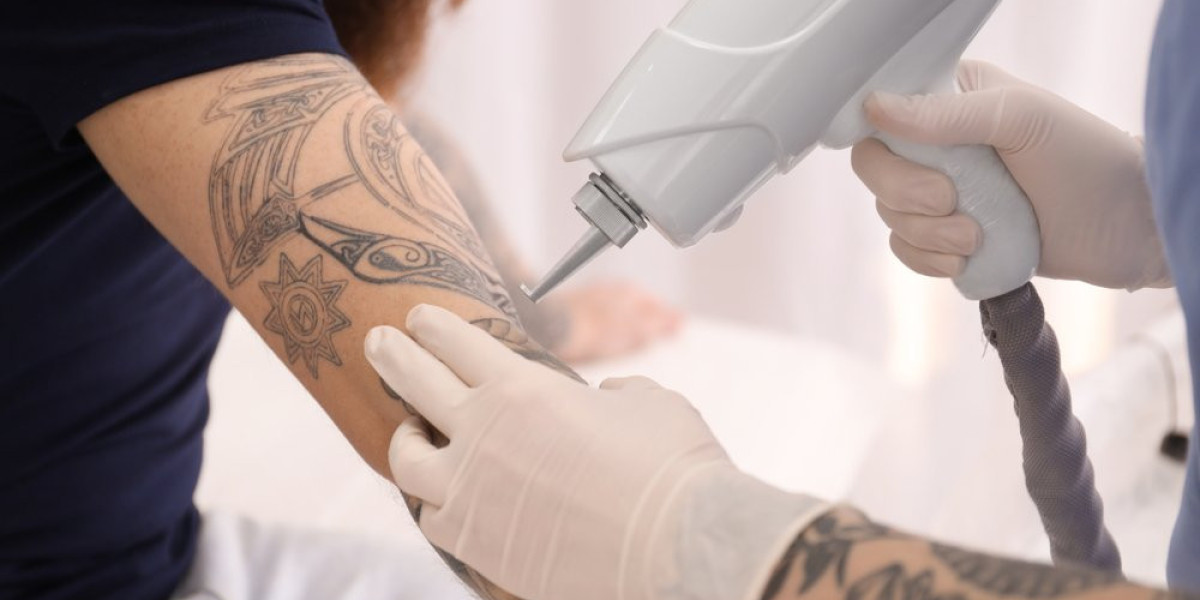

How Tattoo Removal Works in Riyadh’s Climate and Skin Conditions
Tattoo removal in Riyadh follows the same core medical principles used worldwide, but the local climate and common skin characteristics play an important role in how treatments are planned and how skin heals afterward. High temperatures, strong sunlight, and generally dry environmental conditions can influence recovery speed, pigmentation risk, and overall treatment outcomes. Tattoo removal in Riyadh is becoming increasingly popular as more people look for safe and effective ways to erase unwanted ink and refresh their skin appearance.
Understanding how these factors interact with laser tattoo removal helps explain why aftercare and technique are especially important in this region.
1. Basics of Tattoo Removal Technology Used in Riyadh
Most dermatology clinics in Riyadh rely on advanced laser-based tattoo removal systems, mainly:
- Q-switched laser
- Picosecond laser
How the Process Works
Tattoo ink is placed deep in the dermis layer of the skin. Laser devices send short pulses of light energy into the skin, which:
- Target tattoo pigment
- Break ink into microscopic particles
- Allow the body’s immune system to gradually remove them
The lymphatic system plays a key role in clearing these particles over time, which is why multiple sessions are needed.
2. How Riyadh’s Hot Climate Affects Skin During Treatment
Riyadh’s climate is characterized by very hot summers, intense sunlight, and dry air. These environmental conditions directly affect skin behavior during tattoo removal.
Heat Exposure
High temperatures can:
- Increase skin sensitivity after laser sessions
- Worsen redness or swelling temporarily
- Increase discomfort during healing
Sweating
Excess sweating in hot weather may:
- Irritate freshly treated skin
- Increase risk of bacterial contamination if hygiene is poor
- Slow surface healing if the area remains moist for long periods
Because of this, cooling the skin and avoiding heat exposure after sessions is especially important.
3. Sun Exposure and UV Radiation Risks
One of the most important factors in Riyadh is strong UV exposure.
Why Sun Matters in Tattoo Removal
After laser treatment, the skin is temporarily more vulnerable. UV rays can:
- Trigger hyperpigmentation (dark patches)
- Cause uneven fading of the tattoo
- Delay healing and increase inflammation
- Increase risk of skin sensitivity or burns
Impact on Results
Patients exposed to sunlight without protection may experience:
- Slower fading between sessions
- Higher chance of pigment changes
- Less predictable results overall
Because of this, sun protection is a critical part of treatment success in Riyadh.
4. Dry Climate and Skin Barrier Sensitivity
Riyadh’s dry desert climate can also affect how skin heals after laser treatment.
Effects of Dry Air
- Increased skin dryness and flaking
- Temporary itching during healing
- Slower skin barrier recovery in some individuals
Why This Matters
Laser-treated skin is already in a recovery phase. When combined with dryness, it may become:
- More sensitive
- More prone to irritation
- Slightly slower to fully heal
Proper moisturization becomes essential to maintain skin comfort and support healing.
5. Skin Types Commonly Seen in Riyadh
Riyadh has a diverse population, meaning skin tones can vary widely. However, many individuals fall within medium to olive to darker skin tones, which influences laser settings.
How Skin Tone Affects Treatment
- More melanin means higher risk of pigmentation changes
- Laser settings must be carefully adjusted
- Treatment may be more gradual to ensure safety
Key Consideration
Clinicians often prioritize safety over speed for darker skin tones to avoid:
- Hyperpigmentation
- Hypopigmentation
- Skin texture changes
This means treatment plans are highly personalized.
6. Heat + Skin Tone Combination Effect
When hot climate conditions combine with higher melanin skin types, special care is required.
Increased Sensitivity Factors
- Heat increases inflammation response
- Melanin increases risk of pigment changes
- Sun exposure amplifies both risks
Clinical Approach
To manage this, specialists typically:
- Use conservative laser settings
- Space sessions appropriately
- Emphasize strict sun protection and aftercare
This balance helps ensure safe and effective results.
7. Healing Process in Riyadh’s Environment
After each laser session, the skin goes through a natural healing cycle.
Typical Reactions
- Redness and mild swelling
- Temporary sensitivity (like sunburn)
- Light scabbing or blistering in some cases
Environmental Influence
In Riyadh’s climate:
- Heat can intensify inflammation
- Dry air can slow surface recovery
- Sun exposure can affect pigmentation if not avoided
Despite this, most healing progresses normally when proper care is followed.
8. Importance of Cooling and Aftercare
Because of high temperatures, aftercare practices are especially important.
Recommended Practices
- Staying in air-conditioned environments after treatment
- Avoiding direct sunlight completely during early healing
- Using gentle moisturizers to prevent dryness
- Wearing loose, breathable clothing over treated areas
Why Cooling Helps
Cooling reduces:
- Swelling
- Pain
- Skin inflammation
This improves both comfort and recovery speed.
9. Treatment Scheduling in Hot Climate Conditions
In regions like Riyadh, session timing is often adjusted based on climate considerations.
Common Adjustments
- Longer gaps between sessions if skin is sensitive
- Avoiding peak summer heat for certain patients
- Monitoring pigmentation response closely
This helps reduce complications and improves long-term outcomes.
10. Overall Impact on Results
When done properly, tattoo removal in Riyadh is still highly effective. However, climate and skin conditions influence:
What May Change
- Healing speed between sessions
- Risk of pigmentation changes
- Need for strict aftercare discipline
- Total number of sessions in some cases
What Remains the Same
- Core laser technology effectiveness
- Ability to significantly fade or remove tattoos
- Long-term success when treatment is consistent
Conclusion
Tattoo removal in Riyadh works through the same laser-based principles used globally, but the region’s hot, sunny, and dry climate adds unique challenges. High temperatures, strong UV exposure, and skin dryness can all influence healing speed and pigmentation response. Additionally, varying skin tones require carefully adjusted laser settings to ensure safety and effectiveness.
Despite these environmental factors, modern laser technology combined with proper aftercare makes tattoo removal highly successful in Riyadh. With the right precautions—especially sun protection, hydration, and cooling—patients can achieve excellent fading and removal results while minimizing risks.