
When your goal is to smooth out rough skin texture, clear away dark marks, and restore a vibrant, healthy radiance to your face, exfoliation is the key step. However, deciding how to remove that dull layer of dead skin cells can be challenging. In a climate like the UAE, where intense sun exposure and fine urban dust are daily realities, choosing the wrong exfoliation method can easily trigger hidden inflammation, increase oil production, or worsen dark patches.
Two of the most popular clinical skin-smoothing options available are Mandelic Acid Peels and Microdermabrasion. While both treatments are highly effective at refreshing a tired complexion, they use completely different methods—chemical vs. mechanical—to achieve results. A professional Mandelic Peel in Dubai offers distinct biological and protective advantages, making it an exceptionally safe and comprehensive treatment for modern skin health.
The Core Difference: Chemical vs. Mechanical Exfoliation
The fundamental difference between these two popular clinical treatments lies entirely within how they remove dead tissue from your face.
Microdermabrasion: Physical Surface Polishing
Microdermabrasion is a non-invasive mechanical procedure. A trained practitioner uses a specialized medical wand tipped with natural diamond chips or a stream of fine micro-crystals to physically scrub away the rough, outermost layer of dead skin. Simultaneously, a built-in vacuum suction lifts away the loosened skin debris and boosts surface blood circulation. It acts as a deep physical polish, smoothing out the very top layer of your skin.
Mandelic Acid Peel: Biological Deep Renewal
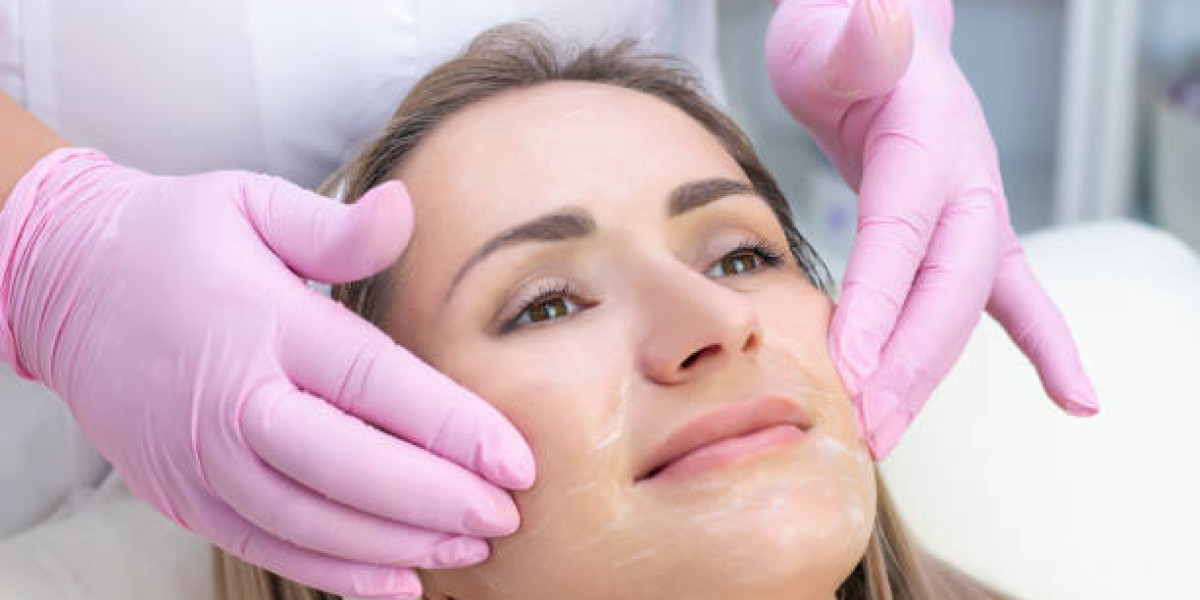
A mandelic peel relies on chemical exfoliation. Instead of physically scrubbing the surface, an alpha hydroxy acid (AHA) solution is applied to the face to gently dissolve the microscopic cellular bonds that hold dead, damaged skin cells together. Because mandelic acid features a large molecular weight, it sinks into the skin layers at a highly controlled, gradual pace. This allows it to evenly refresh the skin without triggering surface friction or tearing.
Direct Comparison: Mandelic Peel vs. Microdermabrasion
Choosing the right approach depends heavily on your current skin condition, skin tone sensitivity, and whether you are dealing with active breakouts.
| Clinical Feature | Mandelic Acid Peel | Microdermabrasion |
| Type of Exfoliation | Chemical (Dissolves cell bonds smoothly) | Mechanical (Physically scrubs surface) |
| Active Acne Safety | Highly Safe — Destroys bacteria & calms inflammation | Avoid — Can pop pimples and spread bacteria |
| Risk of Pigment Rebound | Virtually Zero Risk (Tyrosinase inhibitor) | Moderate if physical friction triggers inflammation |
| Pore Wall Cleansing | Deep — Lipophilic acid clears oils inside pores | Surface Only — Cannot enter inside the pore wall |
| Treatment Sensation | Very mild, manageable tingling or light warmth | Gritty, scratching sensation with light vacuum suction |
Why Mandelic Acid Wins Over Microdermabrasion for Acne and Melasma
For individuals dealing with active breakouts, deep blackheads, or stubborn hyperpigmentation in Dubai, a chemical approach is often much more effective than physical microdermabrasion.
Preventing the Spread of Acne: If a microdermabrasion wand passes over an active whitehead or an inflamed pimple, it can easily rupture the pore wall. This action spreads acne-causing bacteria across your face and can worsen your breakouts. Mandelic acid, by contrast, is a natural antibacterial agent. It flows smoothly into the oily pore channels to kill bacteria on contact, clear out blackheads, and settle active inflammation safely.
Preventing Dark Marks (PIH): Physical friction from scrubbing can sometimes cause irritation in sensitive skin or darker skin tones (Fitzpatrick IV–VI). This irritation can trigger melanocytes to overproduce pigment, leading to post-inflammatory hyperpigmentation. Because mandelic acid requires absolutely zero friction or scrubbing, it presents no risk of friction-induced dark marks.
Why Choose Tajmeels Clinic for Advanced Skin Resurfacing?
At Tajmeels Clinic, we perform advanced skin treatments with the absolute highest level of medical safety, diagnostic precision, and personalized care. Led by our dedicated specialist, Dr. Sannia Awais, we understand that achieving a smooth, healthy, and uniform complexion requires choosing a method that respects your skin barrier's natural biology. Our state-of-the-art medical center features premium, internationally approved clinical solutions and follows strict safety frameworks. We conduct a thorough dermal assessment before every session to select the exact treatment parameters that align perfectly with your skin health goals. Choosing Tajmeels means investing in a dedicated team of medical experts focused on keeping your skin looking beautifully smooth, clear, matte, and naturally radiant year-round.
Patient Experiences
"I used to get microdermabrasion regularly to help clear up my skin texture, but it always left my sensitive skin looking bright red and blotchy for a couple of days. When I tried a Mandelic Peel at Tajmeels Clinic, it was a completely different experience. There was no scratching or irritation, my skin felt incredibly soft right away, and the subtle dark spots on my cheeks have finally started to fade completely." — Hania
"Living in Dubai caused me to develop bad breakouts and oily congestion along my T-zone. I wanted to try microdermabrasion, but Dr. Sannia at Tajmeels explained that scrubbing my active pimples would only spread the acne. She recommended a series of Mandelic Peels instead. It was the best advice ever. It cleared my active acne within a couple of weeks and keeps my heavy oils completely under control." — Zayd
FAQ: Chemical vs. Mechanical Exfoliation
Can you combine a Mandelic Peel and Microdermabrasion in the same session?
Generally, combining these two treatments in a single visit is not recommended for most skin types. Over-exfoliating by combining physical scrubbing with a chemical acid can stress your protective skin barrier, leading to excessive dryness, irritation, and redness.
Will a Mandelic Peel leave my face looking red right after the appointment?
A very faint, temporary pink glow is completely normal immediately following the peel due to increased blood flow and cellular stimulation. This mild flush looks similar to a light workout glow and typically fades away entirely within an hour or two, letting you return to your day easily.
How many sessions are typically required to see a noticeable improvement?
While a single treatment leaves your face feeling incredibly clean, soft, and smooth, fully regulating heavy sebum production, clearing pores, or fading old acne marks works best with a structured series of 4 to 6 sessions spaced 2 to 3 weeks apart at Tajmeels Clinic.
Is it safe to get a Mandelic Peel during the peak summer months in Dubai?
Yes, absolutely. Mandelic acid carries a much lower risk of sun sensitivity compared to smaller alpha hydroxy acids or aggressive physical resurfacing. This makes it an exceptionally safe year-round option for UAE residents, provided you remain dedicated to your daily sunscreen routine.
How long does a professional in-clinic peel session take to complete?
A professional clinical peel treatment is highly efficient. The entire procedure—including deep medical cleansing, precise acid application, chemical neutralization, and a soothing, nutrient-rich post-peel mask—is typically completed within 30 to 45 minutes.
Can I apply my regular makeup immediately after my peel session?
To protect your freshly purified skin channels and allow your skin barrier to rest undisturbed, we strongly advise keeping your face completely bare and clean for at least 12 to 24 hours post-treatment. When you do resume makeup, choose clean, non-comedogenic formulas.