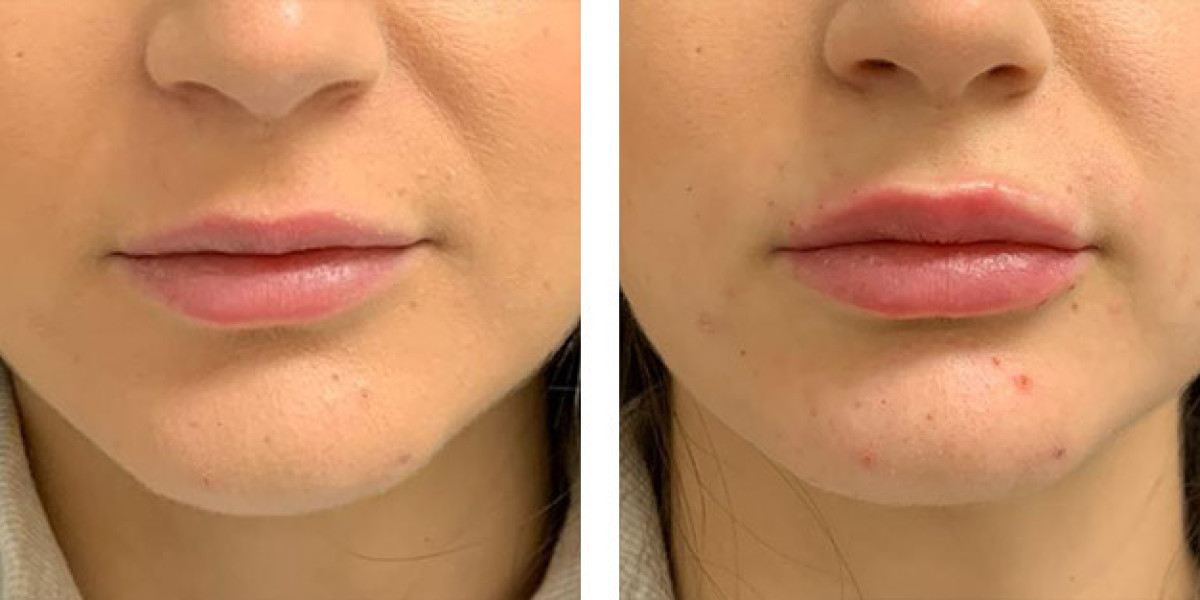

The Role of Local Anesthesia in Making Lip Procedures Comfortable
In the high-standard aesthetic clinics of Riyadh, patient comfort is as much a priority as the final visual result. Because the lips are among the most sensitive areas of the body—densely packed with nerve endings—modern Lip Augmentation in Riyadh utilizes a multi-layered approach to pain management. In 2026, the "pain-free" experience is no longer a luxury but a clinical expectation, achieved through a combination of high-potency topical agents, integrated anesthetics within the filler itself, and specialized nerve-blocking techniques. Understanding these methods can significantly alleviate the anxiety many patients feel before their first appointment, transforming a potentially daunting procedure into a relaxed and comfortable session.
1. High-Potency Topical Numbing (The First Layer)
The first step in any lip procedure is the application of a medical-grade topical anesthetic cream.
Formulation: Typically containing a blend of Lidocaine, Benzocaine, or Tetracaine, these creams are much more potent than over-the-counter versions.
The Process: The cream is applied to the lips for 15 to 30 minutes before the procedure begins.
The Effect: This "surface-level" anesthesia numbs the outer layers of the skin, ensuring that the initial "pinch" of the needle is either completely neutralized or felt only as a dull, localized pressure.
2. Integrated Lidocaine: Comfort from the Inside Out
The most significant advancement in filler technology is the inclusion of anesthesia directly within the gel itself. Most premium brands used in Riyadh, such as Juvederm XC or Restylane with Lidocaine, contain a 0.3% concentration of lidocaine.
Self-Numbing Action: As the specialist begins the injection, the lidocaine is delivered simultaneously with the filler.
Continuous Relief: This means that the area becomes increasingly numb as the procedure progresses. Unlike older techniques where the last few injections were the most sensitive, modern fillers ensure that the comfort level remains consistent throughout the entire session.
3. The "Dental Block" (Regional Nerve Block)
For patients with a low pain threshold or those undergoing high-definition techniques like the Russian Lip, a regional nerve block—often called a "Dental Block"—may be offered.
How it Works: Similar to the numbing you receive at a dentist's office, the specialist injects a small amount of local anesthetic (typically plain lidocaine without epinephrine) near the infraorbital or mental nerves.
The Result: This provides total, profound numbness of the entire lip area for approximately 1 to 2 hours.
Precision Benefit: Because the patient feels absolutely zero sensation, they are less likely to flinch, allowing the specialist to work with sub-millimeter precision on structural details like the Cupid's bow and lip borders.
Comparing Comfort Options
| Method | Best For | Onset Time | Feeling During Procedure |
| Topical Cream Only | Subtle hydration / Small touch-ups | 20 Minutes | Mild "pinches" or pressure |
| Integrated Lidocaine | Standard volume & shaping | Immediate | Dull pressure / Tugging |
| Regional Nerve Block | High-definition / Low pain tolerance | 5 Minutes | Total Numbness (Zero sensation) |
4. Why Comfort Matters for Your Results
Beyond your personal experience, adequate anesthesia is actually a "secret weapon" for achieving the best aesthetic outcome.
Reduced Muscle Tension: When a patient is in pain, they tend to purse their lips or clench their jaw. A relaxed, numbed lip allows the specialist to see the natural "drape" of the tissue, ensuring the filler is placed exactly where it is needed.
Steady Precision: A calm patient allows for a steadier hand. This is vital for intricate work, such as balancing minor asymmetries or defining the philtral columns.
Lowered Stress Response: Minimizing pain reduces the body's immediate inflammatory response, which can lead to less intense initial swelling and a faster overall recovery.
5. Post-Procedure Considerations
While anesthesia makes the procedure comfortable, it does require some caution immediately afterward:
Temperature Sensitivity: Because your lips may remain numb for 1 to 3 hours after you leave the clinic, be extremely careful with hot beverages like coffee or traditional tea. You may not be able to sense the heat, which can lead to accidental burns.
Movement: Avoid eating heavy meals or speaking excessively until the numbness has fully worn off to prevent accidentally biting your lip or tongue.
Conclusion: A Stress-Free Path to Beauty
The role of local anesthesia in modern lip augmentation is to bridge the gap between clinical science and personal comfort. In the sophisticated aesthetic clinics of Riyadh, the use of high-potency topicals and integrated lidocaine has made "needle phobia" a thing of the past. By ensuring a painless environment, specialists can focus on the artistry of your enhancement, and you can focus on the excitement of your new look. When you choose a qualified professional who prioritizes these comfort measures, you are not just investing in your appearance—you are investing in a safe, relaxed, and high-quality medical experience.