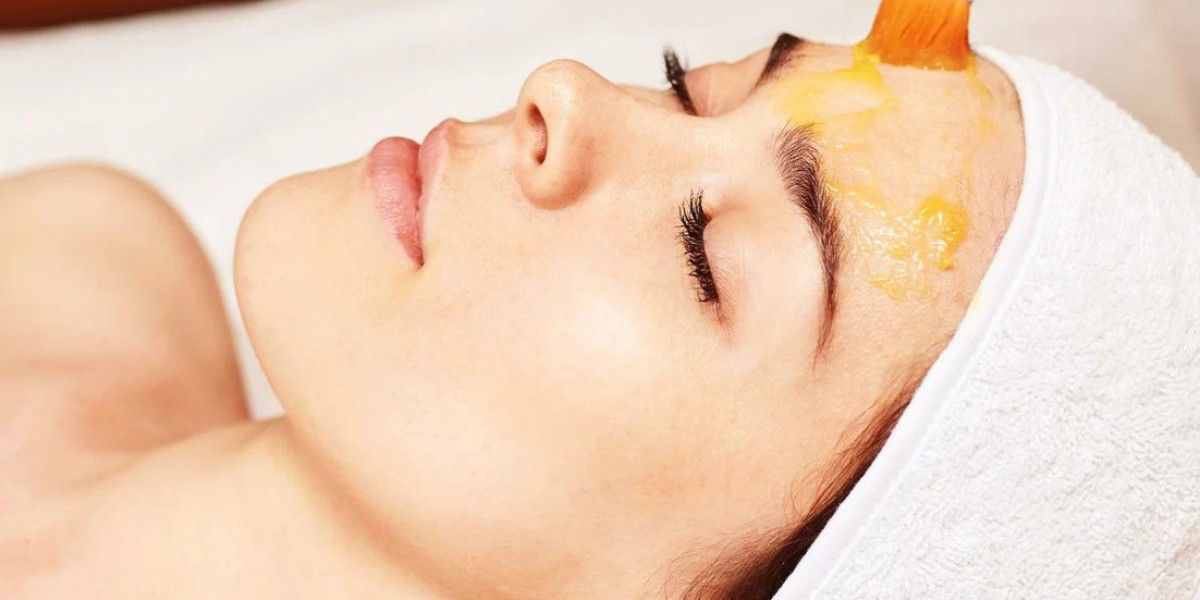

Post-Peel Skincare and Healing Tips
Introduction
A chemical peel can significantly improve skin texture, pigmentation, acne marks, oily skin, and signs of aging. However, the real results often depend on what happens after the treatment. Proper post-peel skincare is essential for helping the skin heal safely, reducing irritation, and maximizing the benefits of the peel.
After a chemical peel, the skin becomes more sensitive because the outer damaged layer has been removed. During this healing period, the skin barrier is temporarily weaker and more vulnerable to dryness, redness, and environmental damage. Chemical Peels in Riyadh are becoming a popular choice for people looking to improve skin texture, reduce pigmentation, and achieve a brighter, more even complexion.
In this guide, we’ll explain the best post-peel skincare and healing tips to help your skin recover smoothly and achieve the best possible results.
What Happens to the Skin After a Chemical Peel?
Chemical peels trigger controlled exfoliation and skin renewal.
After treatment, the skin may experience:
- Redness
- Tightness or dryness
- Flaking or peeling
- Mild swelling
- Increased sensitivity
These reactions are normal and usually temporary.
The healing process depends on the strength of the peel:
- Light peels: recovery in a few days
- Medium peels: around 1–2 weeks
- Deep peels: several weeks or longer
1. Keep the Skin Hydrated
Hydration is one of the most important parts of post-peel recovery.
After a peel, the skin loses moisture more easily because the protective barrier has been disrupted.
Best hydrating ingredients:
- Hyaluronic acid
- Panthenol
- Glycerin
Why hydration matters:
- Reduces tightness and discomfort
- Supports faster healing
- Minimizes excessive peeling
- Improves skin smoothness
Drink enough water and use gentle moisturizers regularly.
2. Repair the Skin Barrier
The skin barrier needs time to rebuild after exfoliation.
Best barrier-repair ingredients:
- Ceramides
- Centella asiatica
- Niacinamide (once sensitivity decreases)
Benefits:
- Prevents moisture loss
- Reduces irritation
- Strengthens healing skin
- Improves recovery comfort
Barrier repair is especially important after medium and deep peels.
3. Use Sunscreen Every Day
Broad-spectrum sunscreen is the most critical post-peel product.
Freshly peeled skin is extremely sensitive to UV rays.
Without proper sun protection:
- Dark spots can develop
- Redness may worsen
- Healing may become uneven
- Peel results can be reversed
Recommended:
- SPF 30–50+
- Broad-spectrum UVA/UVB protection
- Reapply every 2–3 hours outdoors
Avoid direct sunlight whenever possible during healing.
4. Do Not Pick or Peel Flaking Skin
One of the biggest mistakes people make is manually peeling the skin.
Why this is harmful:
- Increases irritation
- Can cause scarring
- Raises pigmentation risk
- Delays healing
Allow the skin to shed naturally.
Even if peeling looks uneven, avoid touching or scratching the area.
5. Use a Gentle Cleanser
Harsh cleansers can damage healing skin.
Choose:
- Fragrance-free cleansers
- Sulfate-free formulas
- Non-foaming or mild cleansers
Avoid:
- Scrubbing brushes
- Exfoliating cleansers
- Strong acne washes immediately after peeling
Gentle cleansing protects the recovering barrier.
6. Avoid Active Ingredients Temporarily
After a peel, the skin becomes more reactive.
Avoid for several days to weeks:
- Retinoids (retinol, tretinoin)
- AHAs and BHAs
- Benzoyl peroxide
- Strong vitamin C products
- Physical scrubs
These ingredients may over-irritate healing skin.
7. Keep Your Routine Simple
Post-peel skincare should be minimal and calming.
Basic routine:
- Gentle cleanser
- Hydrating serum
- Moisturizer
- Sunscreen (morning)
Overloading the skin with too many products can increase irritation.
8. Avoid Heat and Sweating
Heat can increase inflammation after a peel.
Avoid temporarily:
- Saunas
- Steam rooms
- Hot showers
- Intense exercise
- Excessive outdoor heat exposure
This is especially important in hot climates.
9. Sleep and Hydration Support Healing
Skin repair happens more efficiently when the body is rested.
Helpful habits:
- Sleep 7–8 hours daily
- Stay hydrated
- Eat nutrient-rich foods
- Reduce alcohol intake
Healthy lifestyle habits improve skin recovery.
10. Know What Is Normal During Healing
Normal reactions:
- Mild redness
- Dryness and flaking
- Temporary sensitivity
- Tight feeling in the skin
When to seek professional advice:
- Severe swelling
- Blistering
- Persistent burning
- Signs of infection
- Unusual discoloration
Understanding the difference helps avoid unnecessary worry.
Healing Timeline After Different Peels
| Peel Type | Healing Time |
|---|---|
| Light peel | 1–5 days |
| Medium peel | 7–14 days |
| Deep peel | Several weeks |
The deeper the peel, the more patience recovery requires.
Best Ingredients for Post-Peel Recovery
Hydration:
- Hyaluronic acid
- Glycerin
Barrier repair:
- Ceramides
- Centella asiatica
Soothing:
- Aloe vera
- Panthenol
Protection:
- Broad-spectrum sunscreen
Common Post-Peel Mistakes to Avoid
- Over-exfoliating too soon
- Using active ingredients early
- Skipping sunscreen
- Picking peeling skin
- Using fragranced products
- Ignoring hydration
These mistakes can slow healing and reduce results.