
Choosing between permanent hair reduction and permanent hair removal is a common dilemma for those seeking a long-term solution to unwanted hair. While both technologies are popular, electrolysis hair removal is the only method scientifically and legally recognized as providing a 100% permanent result for every hair treated. Understanding the technical differences between these two options is essential for managing expectations and achieving the smooth skin you desire.
The Fundamental Differences in Technology
The primary distinction between these two methods lies in how they target the hair. Laser technology uses a broad beam of light that is absorbed by the pigment (melanin) in the hair. This light converts to heat, damaging the follicle to delay future growth. However, it often results in "reduction" rather than total elimination.
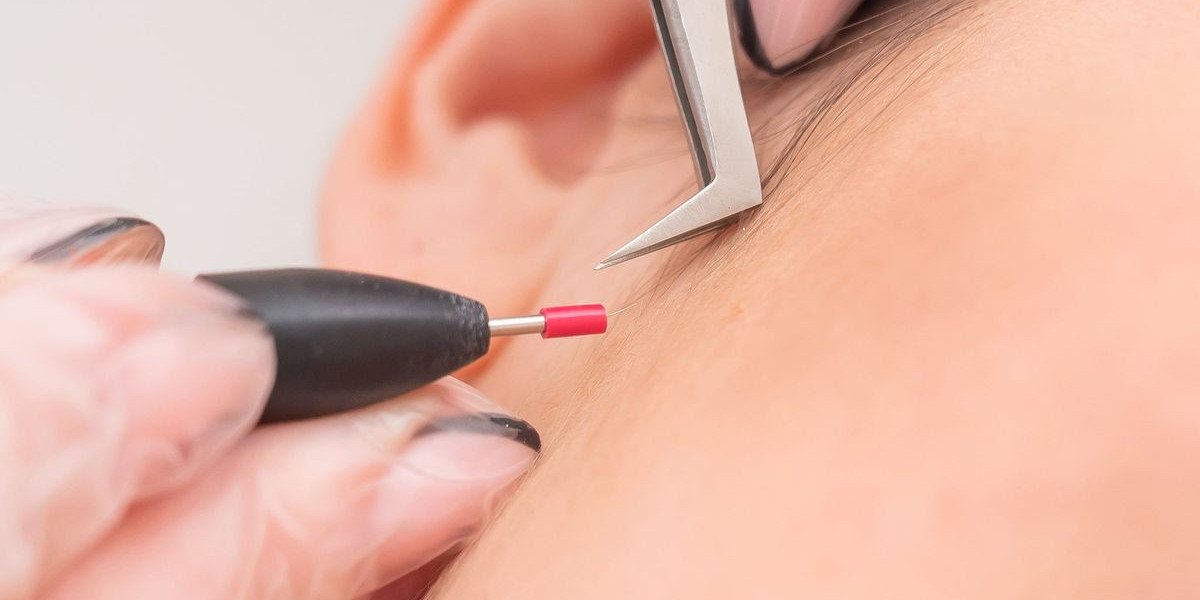
In our clinical experience, the precision of a professional probe-based system is what sets it apart. During a session of electrolysis hair removal, a fine needle-like electrode is inserted into each individual follicle. This allows the practitioner to destroy the growth cells regardless of the hair’s color or the person’s skin tone, offering a level of versatility that lasers cannot match.
Mechanism of Action: How Each System Works
Laser systems work on the principle of selective photothermolysis, meaning they need a contrast—typically dark hair on light skin—to be effective. If the hair is too light or the skin is too dark, the laser may not be able to "see" the target effectively, which can lead to suboptimal results or skin irritation.
By contrast, the mechanism of this treatment is purely electrical. It uses a chemical reaction or localized heat to cauterize the dermal papilla. Because the probe is physically placed into the follicle, it does not rely on light absorption. This ensures that the energy reaches the exact point where hair growth begins, providing a definitive termination of the follicle’s life cycle.
Why Electrolysis hair removal Is the Final Answer
The purpose of choosing a probe-based method over light-based therapy is often related to "problem hairs." Many patients turn to this method when they have reached the limit of what laser can achieve. After several laser sessions, you may find that only fine, light, or scattered hairs remain.
This is where the precision of electrical removal becomes the primary purpose of the treatment plan. It acts as the "closer," cleaning up the remaining follicles that the laser was unable to destroy. It is also the only safe option for individuals with blonde, grey, or red hair, as these colors lack the melanin required for a laser to function.
Benefits of Choosing the Permanent Solution
The advantages of opting for a probe-based system include its universal applicability and the certainty of the outcome. While laser can treat large areas quickly, it may require "touch-up" sessions indefinitely. With a completed course of electrical treatment, those follicles are gone forever.
Treatment of All Hair Colors: Works on white, grey, red, and blonde hair.
Safe for All Skin Tones: No risk of pigment displacement on darker skin.
Pinpoint Accuracy: Ideal for eyebrows and specific facial contours.
True Permanence: FDA-approved for permanent hair removal, not just reduction.
Ideal Candidates for Each Method
If you have very dark, coarse hair on a large area like the legs or back, laser might be a faster starting point. However, the ideal candidates for the electrical method are those with facial hair, hormonal growth, or light-colored hair. It is also the preferred choice for anyone who wants a "once and for all" solution without the need for annual maintenance appointments.
The Step-by-Step Clinical Procedure
The procedure begins with the patient in a comfortable, reclined position. The practitioner cleanses the area and uses a high-powered microscope to identify the direction of hair growth. A sterile, disposable probe is then inserted into the follicle opening.
What patients typically report during recovery is a minor sensation of heat as the current is applied. Once the follicle is treated, the hair is removed with tweezers. Because the hair is no longer attached to the base, it should slide out without any resistance. This process is repeated for each hair in the target zone during the session.
Comparison of Common Treatment Areas
| Area | Laser Effectiveness | Electrolysis hair removal Effectiveness |
| Eyebrows | Low (Too close to eyes) | High (Precision shaping) |
| Upper Lip | Moderate (Hairs often too fine) | High (Permanent clearance) |
| Chin | Moderate (Hormonal influence) | High (Destroys root deeply) |
| Bikini | High (Coarse/Dark hair) | High (Detailed cleanup) |
Cost Considerations and Time Investment
While we do not provide specific price lists, the cost of treatment is usually calculated by the length of the session. A 15-minute session for the chin is an affordable way to manage small areas. While the total number of sessions may be higher than laser due to the individual nature of the treatment, the long-term cost is lower because you eventually reach a point where no further sessions are ever required.
Recovery Timeline and Skin Response
The skin's reaction is very localized. Because only the follicle is targeted, the surrounding tissue remains largely undisturbed. You can expect a predictable healing pattern over the first 48 hours.
First 2 Hours: Slight redness and a feeling of warmth in the area.
6–24 Hours: Redness fades; skin may feel slightly tight.
2–7 Days: The follicle closes completely; skin returns to its natural texture.
Beyond 1 Week: Smooth results are visible as the skin heals and regenerates.
Side Effects and Safety Protocol
Safety is paramount when using electrical currents on the skin. Temporary side effects include redness, minor swelling, or tiny, pinpoint scabs. These are signs that the body is healing the treated follicle. In a professional setting, the risk of scarring or infection is virtually zero, provided the patient follows the recommended aftercare and the practitioner uses sterile, single-use probes.
Post-Treatment Maintenance for Best Results
To maintain the integrity of your results, avoid any form of hair removal that pulls the hair from the root between sessions. No waxing, plucking, or threading is allowed, as this can damage the follicle and make the next treatment less effective. You should also keep the skin hydrated and protected from direct sunlight for at least 48 hours following your appointment to prevent any hyperpigmentation.
Conclusion
Choosing the right hair removal method depends on your hair type, skin color, and long-term goals. While laser is a powerful tool for reduction, it is the specialized precision of this electrical method that provides the only path to true, 100% permanence. At Tajmeels Clinic, our experts help you navigate these choices by providing a medically responsible assessment of your hair growth patterns. We are dedicated to ensuring that your experience is both effective and comfortable, helping you achieve a lifetime of smooth, maintenance-free skin. Trust in a professional approach to see the lasting difference that clinical expertise can make in your daily grooming routine.