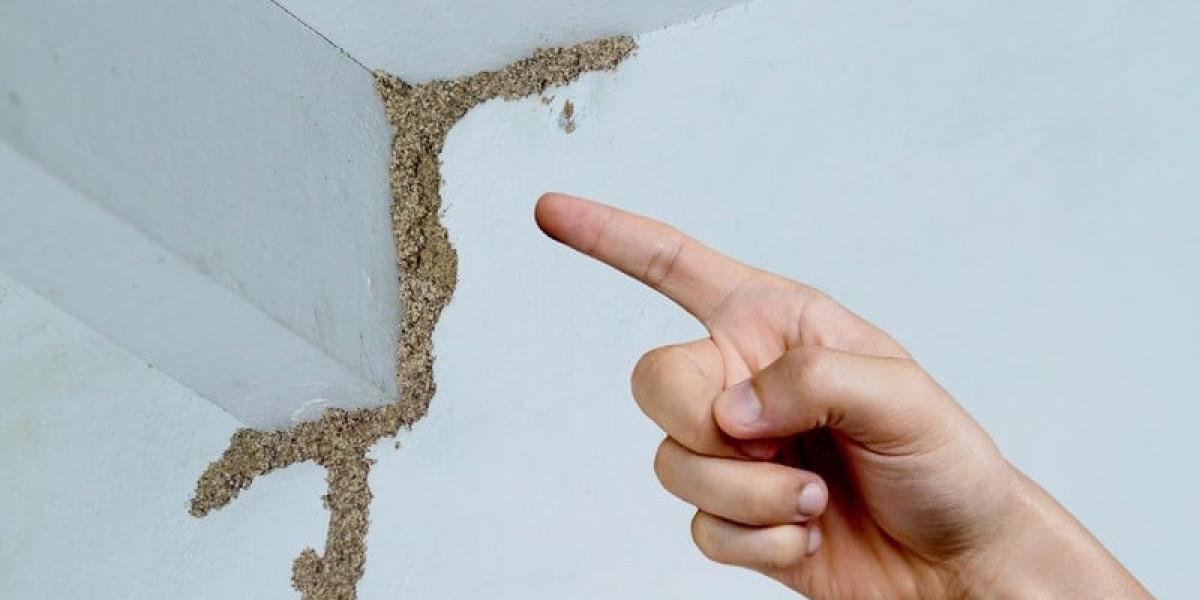

Termite nests in your home are one of those silent problems that often go unnoticed until serious damage has already occurred. These tiny insects may look harmless, but when they gather in colonies and start building nests inside walls, floors, or wooden structures, they can weaken the very foundation of your property. Homeowners usually realize the issue only when wooden surfaces start hollowing out, paint begins bubbling, or doors and windows become difficult to close properly. At that stage, the infestation is already well established, and repairs can become costly and time-consuming.
Understanding how termite nests in your home development is the first step toward protecting your property. Termite are social insects that live in highly organized colonies. These colonies are built inside concealed spaces where moisture, warmth, and food sources are available. Wood is their primary food, but they can also consume paper, cardboard, and even some types of insulation materials. Once they find a suitable environment inside a home, they begin constructing mud tubes and hidden nesting chambers that allow them to travel safely while avoiding light and predators.
How Termite Nests Develop Inside Homes
The formation of termite nests in your home usually begins from a small entry point that may be almost impossible to notice. Cracks in foundations, gaps in wooden structures, or even soil contact with wooden parts of the house can become entryways. Subterranean termites, which are the most common type, build underground colonies and create mud tunnels to reach food sources above ground. These tunnels are often hidden behind walls or under floors, making them extremely difficult to detect without close inspection.
As the colony grows, worker termites continuously expand the nest by bringing in moisture and cellulose material. Over time, the nest becomes a complex network of chambers that support thousands or even millions of termites. The queen plays a central role in reproduction, ensuring the colony continues to grow rapidly. This is why termite nests in your home can escalate from a minor issue to a major structural problem in a relatively short period.
Signs That Termite Nests May Be Present
Detecting termite nests in your home early can save significant repair costs. One of the most common signs is the presence of mud tubes along walls, ceilings, or foundation areas. These tubes are built by termites to protect themselves while traveling between their nest and food sources. Another indicator is hollow-sounding wood. If you tap on a wooden surface and it sounds empty, it may have been eaten from the inside.
Discarded wings near windowsills or doors can also suggest termite activity. Swarmers, which are reproductive termites, often fly out to establish new colonies, shedding their wings shortly after. Additionally, bubbling paint, sagging floors, or tight-fitting doors may indicate hidden structural damage caused by termite nests in your home. In many cases, homeowners mistake these signs for moisture issues, which delays proper treatment and allows the infestation to spread further.
Why Termite Infestations Are So Destructive
Termite nests in your home are particularly dangerous because the damage occurs internally. Unlike other pests that are visible and easier to control, termites remain hidden within wood structures. They consume cellulose from the inside out, leaving only a thin outer layer intact. This means that by the time visible damage appears, the internal structure may already be severely weakened.
The financial impact of termite damage can be significant. Repairing structural components such as beams, flooring, or support walls often requires extensive renovation work. In severe cases, the safety of the entire building can be compromised. This makes early detection and professional intervention essential for protecting long-term property value.
Environmental Conditions That Attract Termites
Certain environmental factors increase the likelihood of termite nests in your home. Moisture is one of the biggest attractions. Leaky pipes, poor drainage, or damp wooden structures create ideal breeding conditions. Warm climates also contribute to faster termite activity, which is why infestations are more common in regions with consistent humidity.
Another contributing factor is wood-to-soil contact. Wooden structures that directly touch soil provide easy access for subterranean termites. Similarly, cluttered storage areas with cardboard or untreated wood materials can encourage nesting. Even small maintenance issues, if ignored, can create entry points for termites to establish colonies.
Effective Ways to Prevent Termite Nests
Preventing termite nests in your home requires consistent maintenance and awareness. Keeping the foundation dry and well-ventilated reduces moisture levels that attract termites. Fixing leaks promptly and ensuring proper drainage around the property can significantly reduce risk. It is also important to avoid direct contact between soil and wooden structures by using concrete barriers or treated materials.
Regular inspections play a key role in early detection. Professional pest control services can identify hidden signs that are not visible to the untrained eye. Treatment methods such as soil barriers, bait systems, and wood treatments are often used to prevent infestation from spreading.
Homeowners also benefit from reducing excess wood storage near the house. Firewood, cardboard boxes, and unused timber should be stored away from the main structure. These simple precautions can greatly reduce the chances of termite nests forming inside your home.
Professional Termite Control and Long-Term Protection
Once termite nests in your home are confirmed, professional treatment becomes necessary. DIY solutions are often ineffective because termites operate deep within hidden structures. Expert pest control services use specialized tools and techniques to locate colonies and eliminate them at the source.
Companies like home comfort experts provide comprehensive termite inspection and treatment solutions designed to protect residential properties from long-term damage. Their approach typically includes detailed inspection, identification of infestation zones, and targeted treatment methods that eliminate both visible termites and hidden colonies. Long-term prevention plans may also be recommended to ensure the infestation does not return.
Professional intervention is especially important in cases where structural damage is already visible. Experts can assess the severity of the issue and recommend repair strategies along with pest elimination. This integrated approach helps restore safety and stability to the property.
The Importance of Early Action
Ignoring early signs of termite nests in your home can lead to severe consequences. What begins as a small infestation can quickly expand into a large colony capable of causing widespread structural damage. Early action not only reduces repair costs but also preserves the integrity of your home.
Routine inspections, proper maintenance, and awareness of warning signs are key to staying ahead of the problem. Homeowners who take preventive measures are far less likely to face extensive termite-related damage. Even small steps, such as sealing cracks and controlling moisture levels, can make a significant difference in long-term protection.
Surgery
Termite nests in your home represent one of the most serious hidden threats to residential structures. Their ability to remain concealed while continuously damaging wood makes them particularly dangerous if left unchecked. Understanding how these nests form, recognizing early warning signs, and taking preventive measures are essential steps in protecting your property.
With the support of professional services like home comfort experts, homeowners can effectively manage and eliminate termite infestations before they cause lasting harm. A proactive approach ensures not only the safety of your home but also the preservation of its value for years to come.