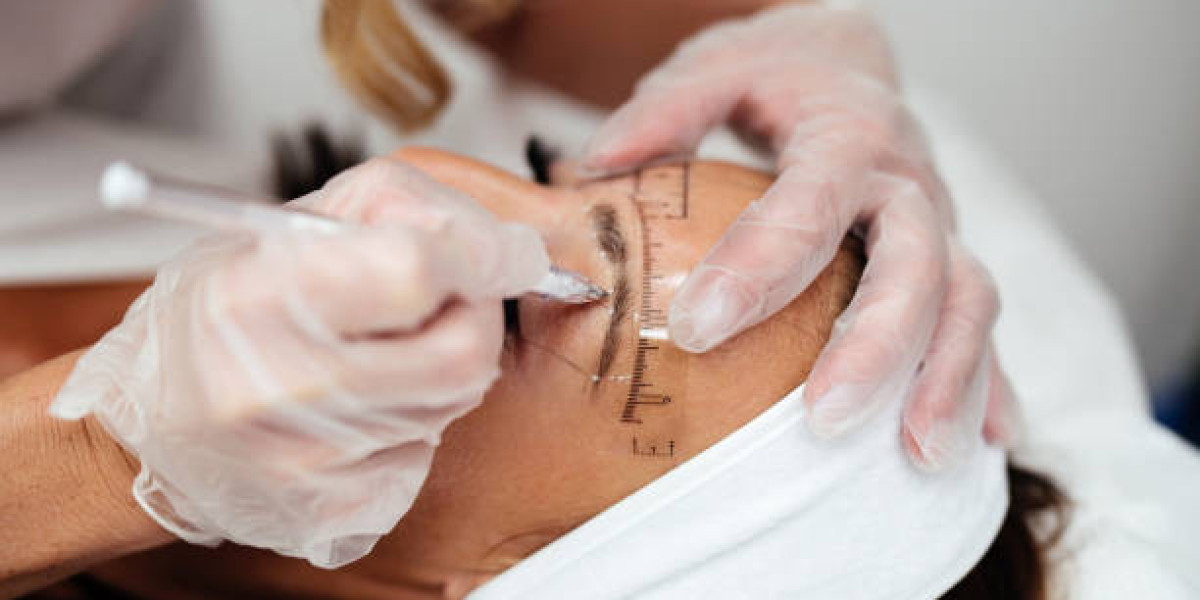

The success of microblading in Dubai is often attributed to the artist's hand, but the true longevity and aesthetic appeal of the treatment lie in the science of pigment selection. Unlike traditional tattoo inks, which are designed to be permanent and bold, microblading pigments are formulated to be semi-permanent and sophisticated. They must interact harmoniously with the skin’s unique biochemistry and withstand the intense environmental factors of the UAE.
Selecting the right pigment is not merely about matching hair color; it is a complex calculation involving skin undertones, Fitzpatrick skin typing, and the chemical stability of the pigment's components. We observe that a "lazy" pigment choice is the primary reason for brows that eventually turn an undesirable blue, grey, or orange hue.
Organic vs. Inorganic Pigments for Microblading in Dubai
What is the difference between organic and inorganic pigments?
In the context of microblading, "organic" and "inorganic" refer to the chemical origin of the colorants. Each has distinct characteristics that affect how the pigment heals and fades in the skin.
The Comparison:
Organic Pigments: These are carbon-based and typically offer brighter, more vibrant colors. They have smaller particle sizes, which allows for ultra-crisp hair strokes. However, because they are more "fluid," they require an expert hand to prevent migration.
Inorganic Pigments: Typically made from iron oxides, these are known for their extreme stability and safety profile. They offer more "earthy" and natural tones. While they have a lower risk of allergic reactions, they can sometimes fade to a warm, peachy hue over many years if not neutralized correctly.
The Clinical Hybrid: At Tajmeels Clinic, we often use high-performance hybrid pigments that combine the vibrancy of organics with the stability of inorganics, specifically formulated for the Dubai climate.
How Dubai’s Sun Affects Pigment Fading
Why is UV stability critical for pigments in the UAE?
Dubai’s high UV index acts as a constant "laser treatment" on the skin. UV radiation breaks down the molecular bonds of the pigment, leading to premature fading or, worse, a color shift.
The Photo-Degradation Process: We observe that certain color molecules (like yellow and red) break down faster under sunlight than black or brown molecules. If a pigment is not "UV-stabilized," the brows may appear to turn a cool, ashy grey over time as the warmer tones are stripped away by the sun. This is why we prioritize pigments with high light-fastness ratings, ensuring that as your brows fade, they simply become a lighter version of the original brown rather than changing color entirely.
Undertones Popular for Microblading in Dubai
How do artists match pigment to skin undertones?
The most critical part of pigment selection is identifying the patient’s skin undertone—the color beneath the surface. We observe that the "Dubai Brow" aesthetic requires a balance between the richness of the desert landscape and the natural cooling of the skin.
The Undertone Rule:
Cool Undertones: If your skin has blue or pink veins, we use "warmer" pigments to prevent the brows from healing grey or blue.
Warm Undertones: If you have olive or golden skin, we use "cooler" pigments to ensure the brows don’t heal too red or orange.
Neutral Undertones: These patients have the most flexibility and can typically handle a true, neutral "espresso" or "ash brown" pigment.
Patch Tests Before Microblading in Dubai
Why is a patch test necessary for pigment safety?
While the high-quality pigments used in modern clinics are hypoallergenic, a patch test is a vital safety protocol for microblading in Dubai. It involves placing a tiny amount of pigment and numbing cream on a discreet area of skin (usually behind the ear) 24 to 48 hours before the procedure.
What we monitor:
Pigment Sensitivity: Checking for any localized redness or swelling that indicates an allergy to the colorant.
Anesthetic Reaction: Ensuring the topical numbing cream is safe for your skin.
Peace of Mind: For first-timers, this step removes the "fear of the unknown" regarding how their skin will react to the materials.
Why Choose Us?
At Tajmeels Clinic, we treat pigment selection as a clinical science. We don't use "off-the-shelf" colors; we custom-blend pigments for every individual to account for their Fitzpatrick skin type and lifestyle in the UAE. Our pigments are sourced from the world’s leading laboratories, ensuring they are free from heavy metals and specifically designed for long-term stability in high-heat environments. We focus on results that fade "true," ensuring your brows remain beautiful until your next annual refresh.
FAQs
Can the pigment color be changed at the touch-up?
Yes! The 6-week perfecting session is the ideal time to adjust the color. If the brows healed slightly too light or too cool, we can layer a different tone over the top to achieve the perfect final result.
Will the pigment ever turn blue?
Blue or grey brows are usually the result of the pigment being placed too deep in the skin (the dermis) or using a low-quality ink. By working strictly in the epidermis and using premium pigments, we ensure the color remains a natural brown.
Are microblading pigments vegan?
Many modern, high-end pigments used for microblading in Dubai are vegan and cruelty-free. If this is a priority for you, please mention it during your consultation, and we can show you the specific ingredient profiles of our pigment lines.
Does my skin type affect which pigment you choose?
Absolutely. Oily skin often "cools" a pigment down, so we may choose a slightly warmer shade to compensate. Conversely, very dry or thin skin can be more translucent, requiring a more subtle, neutral blend.
Can I choose a very dark color even if I am fair?
We generally advise a conservative approach. It is much easier to add more pigment and go darker at your touch-up session than it is to lighten a brow that was done too dark initially. We aim for a shade that matches your natural brow hair when it is at its fullest.