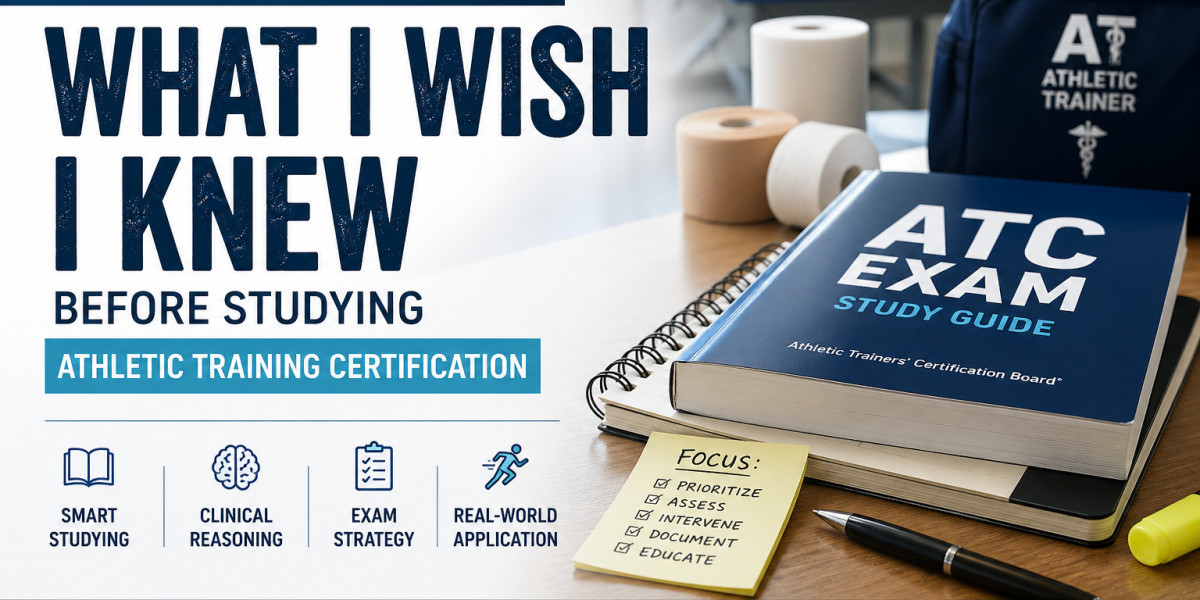

Preparing for the ATC Exam is less about memorizing content and more about understanding how clinical reasoning is tested under pressure. The primary intent behind this topic is clear: candidates want actionable insight that goes beyond standard study advice and prepares them for the structure, difficulty, and decision-making demands of the exam. What follows is not a generic guide, but a synthesis of what matters when preparation becomes performance.
Understanding the ATC Exam Beyond the Blueprint
Most candidates begin with the exam content outline, but that alone is insufficient. The exam does not reward isolated knowledge; it evaluates how well you integrate domains such as injury assessment, therapeutic interventions, and emergency care. In practice, this means questions rarely test definitions directly. Instead, they present layered scenarios where multiple answers seem plausible.
What I underestimated was the emphasis on prioritization. Knowing what to do first often determines the correct answer. This is especially evident in domains involving acute care and return-to-play decisions.
Why Typical Study Methods Fall Short?
Many resources, including collections of ATC exam sample questions, focus on recall. While useful initially, they fail to replicate the ambiguity of real exam items. The ATC exam questions 2026 trend suggests increasing complexity, particularly in multi-step reasoning.
A more effective approach involves:
- Practicing clinical decision trees rather than isolated facts
- Reviewing mistakes by identifying flawed reasoning, not just incorrect answers
- Simulating timed conditions early, not just at the end of preparation
This shift from passive review to active problem-solving was the single most important adjustment in my preparation.
The Hidden Challenge: Cognitive Fatigue
One aspect rarely discussed is endurance. The exam demands sustained attention across multiple domains, each requiring a different cognitive approach. Early in my preparation, I could answer questions correctly in short sessions but struggled during full-length practice exams.
Building stamina required deliberate practice. I scheduled longer study blocks with mixed-topic questions, forcing my brain to transition rapidly between concepts, mirroring actual exam conditions.
Interpreting Questions with Precision
A recurring mistake among candidates is overthinking. The exam is precise, not deceptive. Keywords such as “initial,” “most appropriate,” or “contraindicated” are not incidental; they define the scope of the answer.
Developing sensitivity to this language improved both speed and accuracy. Instead of searching for the most comprehensive answer, I learned to identify the most contextually appropriate one.
Conclusion: From Knowledge to Judgment
Success on the ATC Exam ultimately depends on transforming knowledge into judgment. Content mastery is necessary, but insufficient without the ability to apply it under constraint. The most valuable insight from my journey is this: preparation should mirror performance. Study as you will be tested, think as you would in a clinical setting, and prioritize reasoning over recall.
Candidates who adopt this mindset not only improve their exam outcomes but also develop competencies that extend far beyond certification.