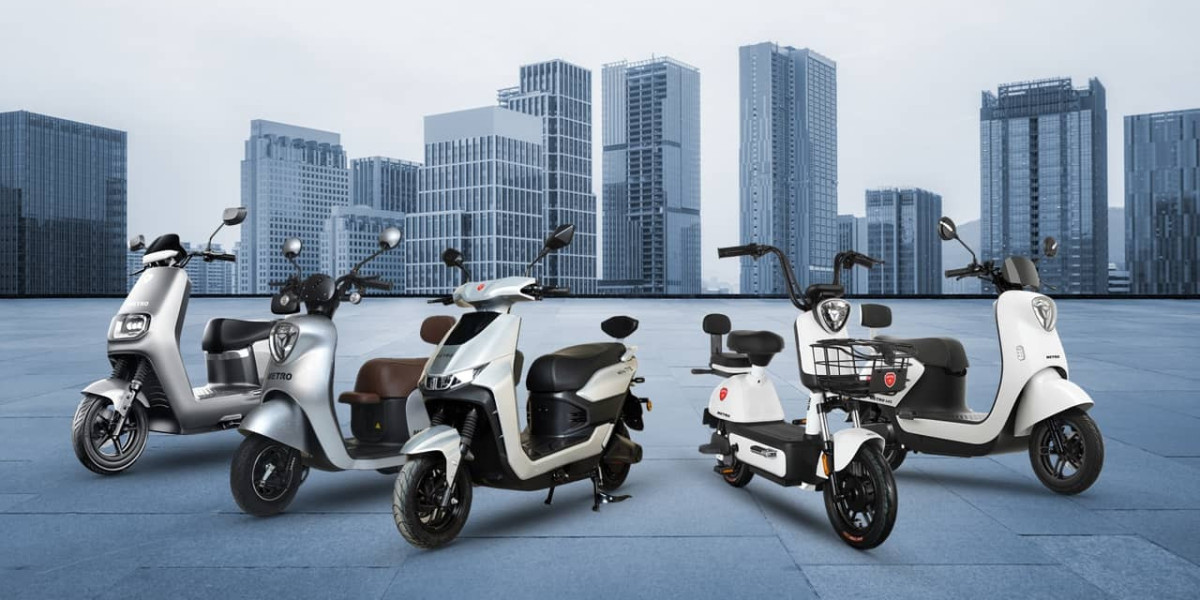

An electric bike (e-bike) is a modern two-wheeler that runs on electricity instead of petrol. At first glance, it may look just like a regular motorcycle or scooter, but the real magic lies in what powers it. Instead of relying on a fuel-burning engine, an electric bike uses a rechargeable battery and an electric motor to move forward. That single change—switching from fuel to electricity—completely transforms how the bike performs, how much it costs to run, and how it impacts the environment.
Think of it like upgrading from a traditional gas-powered generator to a solar system. Both produce energy, but one is cleaner, quieter, and far more efficient. Electric bikes bring that same upgrade to daily commuting. In countries like Pakistan, where fuel prices continue to rise and traffic congestion is a daily headache, electric bikes are becoming a practical solution rather than just a futuristic concept.
The difference between electric and petrol bikes isn’t just about the fuel source—it’s about the entire experience. Electric bikes are smoother, quieter, and easier to maintain. There’s no engine noise, no gear shifting in many models, and no frequent visits to the mechanic. It’s a simplified version of transportation designed for modern needs.
How Electric Bikes Work
Understanding how electric bikes work is easier than you might think. In fact, once you break it down, the system is surprisingly simple compared to traditional vehicles.
An electric bike operates using a battery-motor-controller system. When you turn on the bike and twist the throttle, the battery sends electrical energy to the controller. The controller then regulates how much power goes to the motor based on your input. The motor converts that energy into motion, which spins the wheels and moves the bike forward.
Imagine a water system in your home. The battery is like a water tank, the controller is the tap, and the motor is the pipe that delivers water. When you open the tap, water flows. Similarly, when you accelerate, electricity flows, and the bike starts moving.
The key components involved include:
- Battery – Stores electrical energy
- Motor – Converts electricity into motion
- Controller – Manages power flow
- Throttle – Controls speed
This simple system is one of the biggest advantages of electric bikes. With fewer moving parts than petrol bikes, there’s less chance of mechanical failure. That means lower maintenance, fewer repairs, and a more reliable ride overall.
Types of Electric Bikes
Electric bikes come in different types, and choosing the right one depends on your needs, budget, and usage.
Throttle-Based Electric Bikes
These are the most common type, especially in Pakistan. You simply twist the throttle, and the bike moves—just like a traditional motorcycle. There’s no need to pedal, making them ideal for daily commuting and urban travel.
Pedal Assist Electric Bikes
Pedal assist bikes require you to pedal, but the motor provides assistance. The harder you pedal, the more support you get from the motor. These bikes are popular for fitness and leisure riding but are less common for everyday commuting in Pakistan.
Budget vs Premium Electric Bikes
Electric bikes also vary based on price and features:
- Budget models offer basic functionality and shorter range
- Mid-range models provide better performance and battery life
- Premium models come with advanced features, longer range, and higher speed
Choosing the right type depends on how far you travel daily and how much you’re willing to invest upfront.
Key Features of Electric Bikes
Electric bikes are packed with features that make them efficient and user-friendly. Understanding these features can help you make a smarter buying decision.
Battery Types and Capacity
The battery is one of the most important components. Most electric bikes use either:
- Lead-acid batteries – cheaper but heavier and less durable
- Lithium-ion batteries – more expensive but lighter, faster, and longer-lasting
Battery capacity determines how far the bike can travel on a single charge.
Motor Power and Performance
Motor power is usually measured in watts. Higher wattage means better acceleration and performance. Most electric bikes in Pakistan range between 250W to 1500W motors.
Range and Speed
Range refers to how far the bike can go on a single charge. Most models offer 40 to 120 km, while speed typically ranges between 40 to 80 km/h.
Smart Features and Display
Modern electric bikes come with digital displays showing speed, battery level, and distance. Some even include mobile connectivity and tracking features.
Benefits of Electric Bikes
Electric bikes are gaining popularity for a reason—they offer real, practical advantages.
Cost Savings
One of the biggest benefits is low running cost. Charging an electric bike costs a fraction of what you’d spend on petrol. Over time, this can save you thousands of rupees.
Environmental Impact
Electric bikes produce zero emissions, making them environmentally friendly. In cities with high pollution levels, this is a significant advantage.
Also read: Best electric bike in pakistan
Low Maintenance
With fewer moving parts, electric bikes require less maintenance. No engine oil, no spark plugs, and fewer mechanical issues.
It’s like switching from a complex machine to a simplified system—less hassle, more efficiency.
Electric Bike vs Petrol Bike
Let’s compare electric bikes with petrol bikes to understand the difference clearly.
| Feature | Electric Bike | Petrol Bike |
|---|---|---|
| Fuel Cost | Very Low | High |
| Maintenance | Low | High |
| Noise | Silent | Loud |
| Emissions | Zero | High |
| Convenience | High | Moderate |
Electric bikes are ideal for short-distance travel, while petrol bikes still have an advantage for long-distance journeys.
Things to Consider Before Buying
Before buying an electric bike, you should evaluate a few key factors.
Battery Life and Warranty
Check the battery type, lifespan, and warranty. A good battery ensures better performance and long-term reliability.
Charging and Infrastructure
Make sure you have access to a charging point at home. Charging usually takes 4–6 hours, which is manageable for most users.
Challenges of Electric Bikes
Despite their advantages, electric bikes do have some limitations.
Range Anxiety
Many users worry about running out of battery during a trip. This is known as range anxiety.
Battery Replacement Cost
Batteries can be expensive to replace, which adds to long-term ownership cost.
However, as technology improves, these challenges are gradually being addressed.
Who Should Buy an Electric Bike?
Electric bikes are ideal for:
- Students
- Office workers
- Delivery riders
- Budget-conscious individuals
If your daily commute is within city limits, an electric bike can be a practical and cost-effective solution.
Future of Electric Bikes
Electric bikes are not just a passing trend—they are the future of transportation. With rising fuel prices and growing environmental awareness, more people are switching to electric mobility.
In Pakistan, the market is expanding rapidly, with new brands and models entering every year. Government support and technological advancements are further accelerating this growth.
Conclusion
Electric bikes represent a shift toward smarter, cleaner, and more affordable transportation. They simplify daily commuting by reducing costs, minimizing maintenance, and offering a smooth riding experience.
If you’re looking for a practical alternative to petrol bikes, electric bikes are worth considering. They’re not just changing how people travel—they’re redefining the future of mobility.