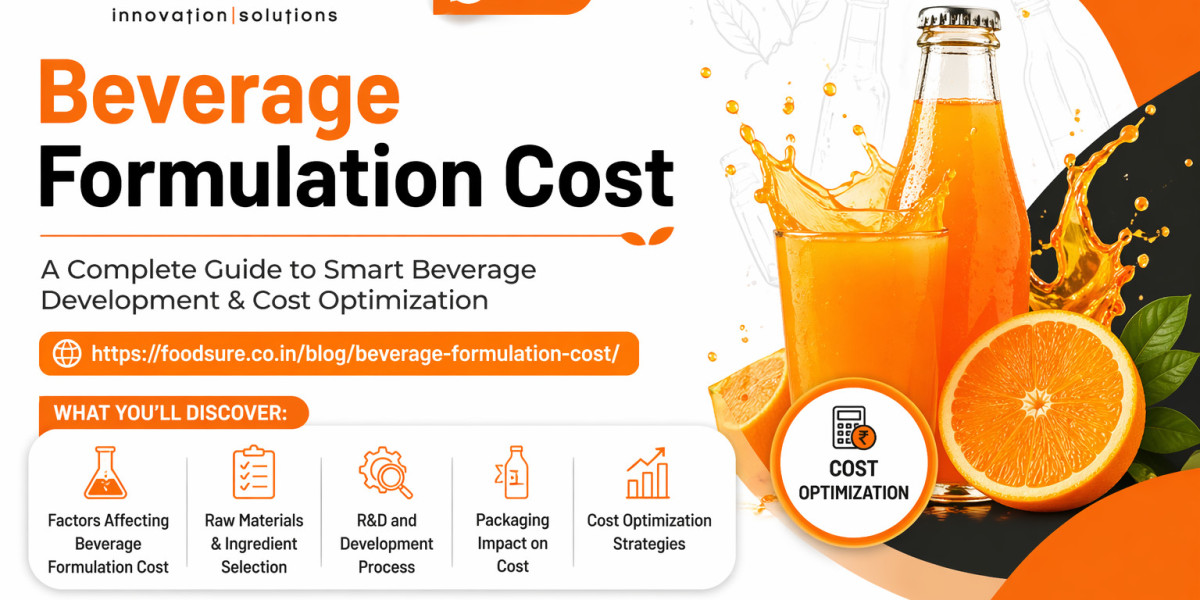

Launching a new beverage product sounds exciting, but one of the most important factors you must understand early on is the Beverage Formulation Cost. Whether you’re planning an energy drink, functional beverage, or flavored water, formulation plays a critical role in defining your product’s success, taste, and market positioning.
Many startups underestimate how formulation impacts not just product quality but also pricing, scalability, and compliance. In this guide, we’ll break down everything you need to know about formulation costs, what affects them, and how you can optimize your budget effectively.
What is Beverage Formulation?
Beverage formulation is the process of developing a drink recipe by selecting the right ingredients, flavors, functional components, and processing methods. It includes:
Ingredient selection
Flavor profiling
Nutritional balancing
Shelf-life testing
Regulatory compliance
Each of these steps contributes directly to your overall cost and product viability.
Key Factors Affecting Beverage Formulation Cost
Understanding what drives cost helps you make smarter decisions. Here are the main factors:
1. Type of Beverage
The category of your drink significantly impacts cost. For example:
Carbonated drinks are generally cheaper
Functional beverages (with vitamins, adaptogens, probiotics) are more expensive
Protein or nutraceutical drinks have higher formulation complexity
The more complex your product, the higher the Beverage Formulation Cost will be.
2. Ingredient Quality & Sourcing
Premium ingredients increase costs but also improve product value.
Natural vs artificial flavors
Organic certifications
Imported vs local ingredients
Using clean-label or plant-based ingredients will raise costs but can justify premium pricing.
3. R&D and Testing
Formulation isn’t a one-time process. It involves:
Multiple iterations
Stability testing
Shelf-life validation
Lab trials
This stage often takes weeks or months, depending on product complexity, adding to your Beverage Formulation Cost.
4. Regulatory & Compliance Requirements
In markets like India, compliance with FSSAI regulations is essential. Costs may include:
Lab testing
Documentation
Label approvals
Ignoring this can lead to bigger losses later.
5. Scale of Production
Small batch formulation costs more per unit compared to large-scale production.
Pilot batches are expensive
Bulk production reduces cost per unit
Planning your scale wisely can optimize overall expenses.
Estimated Beverage Formulation Cost Breakdown
While exact costs vary, here’s a rough idea:
Component | Estimated Cost Range |
Initial R&D | ₹25,000 – ₹1,50,000 |
Ingredient Trials | ₹10,000 – ₹50,000 |
Lab Testing | ₹5,000 – ₹30,000 |
Compliance & Licensing | ₹10,000 – ₹40,000 |
Total cost can range from ₹50,000 to ₹2,50,000+, depending on complexity.
How to Optimize Your Beverage Formulation Cost
Managing your budget efficiently is key to building a profitable product.
1. Start with a Clear Concept
Avoid unnecessary experimentation by defining:
Target audience
Flavor profile
Functional benefits
Clarity reduces R&D time and cost.
2. Work with Experts
Hiring beverage consultants or formulation experts can actually save money by:
Reducing trial errors
Speeding up development
Ensuring compliance
3. Choose Cost-Effective Ingredients
Balance between quality and affordability:
Use locally sourced ingredients where possible
Avoid overly expensive additives unless necessary
4. Focus on Scalability
Design your formulation in a way that works for mass production. This ensures:
Lower long-term cost
Consistent quality
Easier manufacturing
5. Test Before Scaling
Always validate your product through small batches before investing heavily. This avoids costly mistakes.
Why Investing in Proper Formulation Matters
Cutting corners in formulation can lead to:
Poor taste
Short shelf life
Regulatory issues
Low customer retention
On the other hand, a well-developed formulation ensures:
Strong brand identity
Better market acceptance
Higher profit margins
This is why understanding and planning your Beverage Formulation Cost is not an expense—it’s an investment.
Future Trends Impacting Formulation Costs
The beverage industry is evolving rapidly. Trends that may affect costs include:
Rise of functional beverages
Demand for clean-label products
Plant-based ingredient innovation
Sustainable sourcing
While these trends may increase initial costs, they also open doors to premium pricing and brand differentiation.
FAQs
1. What is the average beverage formulation cost in India?
The cost typically ranges between ₹50,000 to ₹2,50,000 depending on the type of beverage, ingredients, and complexity of formulation.
2. Why is beverage formulation expensive?
It involves R&D, ingredient trials, lab testing, and compliance processes, all of which require time, expertise, and resources.
3. Can I reduce formulation costs without affecting quality?
Yes, by choosing cost-effective ingredients, working with experts, and minimizing trial errors, you can optimize costs without compromising quality.
4. How long does beverage formulation take?
It can take anywhere from a few weeks to several months depending on the complexity of the product.
5. Is it necessary to hire a formulation expert?
While not mandatory, working with experts can save time, reduce risks, and ensure your product meets industry standards.
Conclusion
Foodsure building a successful beverage brand starts with a strong foundation, and formulation is at the core of it. Understanding the Beverage Formulation Cost helps you plan better, avoid unnecessary expenses, and create a product that stands out in a competitive market.
Instead of viewing formulation as just a cost, treat it as a strategic investment that determines your product’s quality, scalability, and long-term success. With the right approach, you can develop a high-quality beverage while keeping your budget under control.