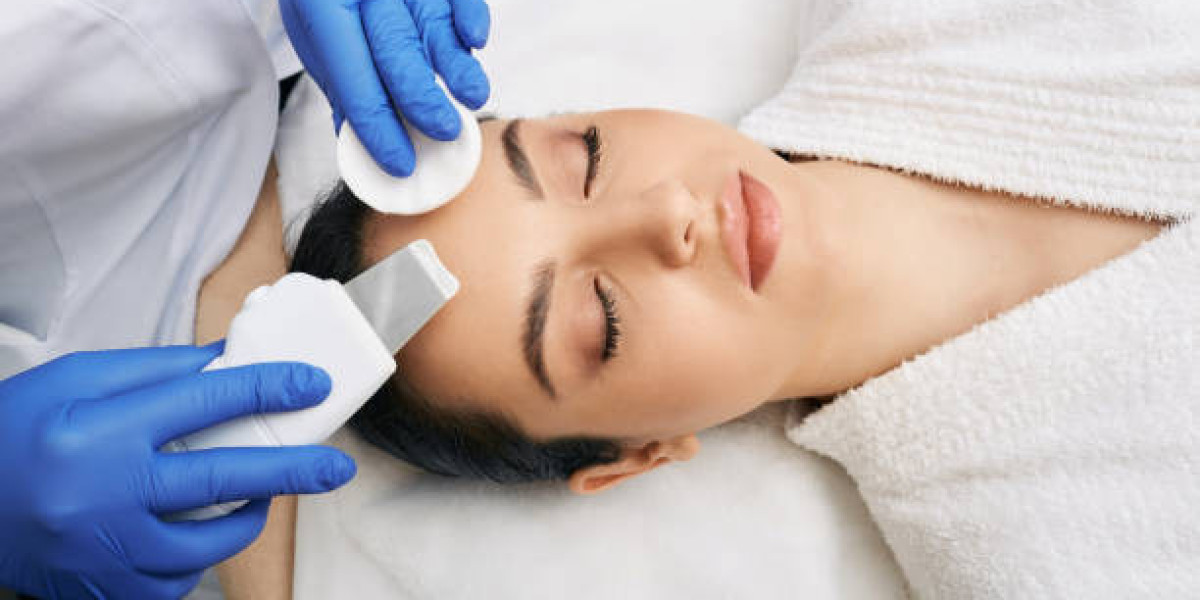

For those living in the dynamic environment of the UAE, maintaining clear skin is a constant struggle against the elements. The combination of fine desert dust, high humidity, and intense heat creates the perfect storm for "Dubai skin"—a condition characterized by persistent congestion, enlarged pores, and recurring breakouts. While traditional manual extractions have long been the standard for clearing blockages, they often leave the skin inflamed and tender.
Ultrasonic skin peeling in Dubai has emerged as a superior, tech-driven alternative for managing acne-prone skin. By utilizing high-frequency vibrations rather than physical force, this treatment offers a way to "flush" the pores from the inside out. For residents dealing with everything from stubborn blackheads to hormonal acne, this technology provides a deep-cleansing solution that respects the skin's delicate barrier.
Causes of Acne and Clogged Pores in a Desert Climate
Acne is rarely a simple issue of "dirty skin." It is a complex biological process involving excess sebum production, the accumulation of dead skin cells, and the proliferation of bacteria within the follicle. In Dubai, environmental factors significantly accelerate this cycle.
When sweat mixes with environmental pollutants and oxidized sebum, it forms a thick "plug" that traps bacteria deep within the pore. The high humidity in the UAE can also make sebum more viscous, making it harder for the skin to naturally shed these blockages. This leads to the formation of comedones (blackheads and whiteheads) and, eventually, inflammatory acne. Furthermore, the constant transition between outdoor heat and indoor air conditioning can dehydrate the skin's surface, creating a layer of dry "cellular glue" that seals impurities inside the pores.
How Ultrasonic Cavitation Clears Pores
What is the mechanical process that removes blockages?
Ultrasonic skin peeling relies on a process known as "cavitation." When the metal spatula vibrates at approximately 30,000 Hz against moistened skin, it creates microscopic bubbles in the liquid medium. These bubbles rapidly expand and collapse, generating tiny shockwaves that physically shatter the bonds between sebum, dead skin cells, and the pore wall.
Based on clinical observations, this "micro-streaming" effect is far more thorough than surface-level scrubbing. As the practitioner glides the device across the T-zone, you can often see a fine mist of water mixed with emulsified oils being ejected from the pores. This is the hallmark of a successful ultrasonic peel: it doesn't just scrape the surface; it uses sound energy to "vibrate" the debris out of the follicle, leaving the pore structurally clean without the bruising associated with metal extraction tools.
The Role of Exfoliation in Acne Management
Why is consistent exfoliation critical for preventing breakouts?
In acne-prone skin, the natural process of "desquamation"—where the skin sheds dead cells—is often dysfunctional. Instead of falling away, cells stick together and block the pore opening. Ultrasonic peeling acts as a mechanical reset for this process.
Regular exfoliation with ultrasonic waves prevents the "buildup phase" of the acne cycle. By keeping the surface of the skin free of dead cellular debris, we ensure that oxygen can reach the inside of the pore. This is crucial because the bacteria responsible for acne (P. acnes) are anaerobic, meaning they thrive in oxygen-deprived environments. By "aerating" the pores through consistent ultrasonic cleaning, we create an environment where acne-causing bacteria struggle to survive, leading to a visible reduction in active breakouts over time.
Before and After: What the Skin Looks Like
The visual transformation following an ultrasonic session in Dubai is often immediate, which is why it is frequently referred to as a "skin-perfecting" treatment.
Immediately After: Unlike traditional facials that may leave the skin red and blotchy, an ultrasonic peel leaves the complexion looking calm and "polished." The most noticeable change is in the texture; the sandpaper-like feel of blackheads on the nose and chin is replaced by a smooth, reflective surface. The skin often looks brighter because the layer of oxidized, dulling oils has been removed.
Long-Term Results: With consistent sessions (every 2–3 weeks), we observe a significant reduction in the diameter of the pores. When pores are no longer stretched open by solidified sebum plugs, they naturally begin to "shrink" back to their original size. For those with post-inflammatory erythema (the red marks left behind by old acne), the micro-circulation stimulated by the vibrations helps accelerate the healing of these marks, leading to a more even skin tone.
Combining With Other Acne Treatments
For patients with more severe or persistent acne, ultrasonic skin peeling is rarely a standalone cure. Instead, it serves as a powerful "force multiplier" when combined with other clinical interventions.
Salicylic Acid Peels: By using the ultrasonic spatula first, we remove the surface barrier, allowing salicylic acid to penetrate much deeper into the sebaceous glands where it can dissolve oil more effectively.
LED Blue Light Therapy: After the pores are cleared via ultrasonic cavitation, blue light can more easily target the bacteria remaining in the follicles, providing a dual-action "clean and kill" approach to acne.
Sonophoresis: In the final stage of the session, the spatula can be used to "push" acne-fighting serums, such as Niacinamide or Zinc, deeper into the skin. This ensures that the active ingredients are delivered exactly where they are needed most.
Tips for Maintaining Results in the UAE
How can patients prevent pores from re-clogging between sessions?
The Dubai environment is relentless, so post-treatment care is essential to extend the "clean" feeling of an ultrasonic peel.
Double Cleanse Every Evening: This is non-negotiable for Dubai residents. Use an oil-based cleanser first to break down SPF and pollutants, followed by a gentle water-based cleanser to remove the residue.
Hydrate, Don't Suffocate: Use "non-comedogenic" (pore-clogging free) moisturizers. We often see patients who avoid moisturizer because they have oily skin, which actually triggers the skin to produce more oil. Use a light, hyaluronic acid-based gel instead.
Regular Misting: Use a thermal water spray throughout the day to keep the skin's surface "soft." This prevents the surface cells from hardening into the "glue" that traps sebum.
SPF Consistency: Freshly exfoliated skin is more sensitive to the sun. Use a mineral-based SPF that won't clog your freshly cleaned pores.
Why Choose Tajmeels Clinic?
Treating acne in a climate as demanding as Dubai's requires more than just a standard facial; it requires a deep understanding of dermatological technology. At Tajmeels Clinic , we specialize in advanced pore-clearing protocols that prioritize the health of your skin barrier. Our practitioners are trained to use ultrasonic technology with precision, ensuring that even the most stubborn congestion is cleared without causing the trauma or scarring that can occur with less sophisticated methods. By choosing a clinic that understands the intersection of technology and the unique environmental stressors of the UAE, you are investing in a clearer, healthier future for your skin.
Frequently Asked Questions
Is ultrasonic peeling better than a HydraFacial for acne?
Both have benefits, but they work differently. A HydraFacial uses suction and liquid "vacuuming," while ultrasonic peeling uses vibrations. For those with sensitive, acne-prone skin that is prone to redness or broken capillaries, the ultrasonic method is often safer because it doesn't involve the tugging or pulling of a vacuum tip.
Will it help with deep whiteheads (milia)?
Ultrasonic peeling is excellent for surface-level whiteheads and blackheads. However, "milia"—those hard, white keratin cysts—usually require a small sterile incision (extraction) by a professional. The ultrasonic spatula can help prevent new milia from forming by keeping the skin's texture smooth.
Can I have a session if I have a "maskne" flare-up?
Yes, it is one of the best treatments for maskne. It helps remove the buildup of humidity, bacteria, and friction-related debris that accumulates under a mask. It is gentle enough to use on irritated skin while being effective enough to clear the congestion causing the breakout.
Does it hurt?
No. Most patients find the sensation quite pleasant. It feels like a high-speed vibration or a "buzzing" on the skin. There is no stinging or pinching involved, making it a favorite for those who are "needle-phobic" or sensitive to pain.
How often should I get an ultrasonic peel for acne?
For active acne management, a session every 2 weeks is ideal until the skin stabilizes. Once the congestion is under control, a monthly maintenance session is usually sufficient to keep the pores clear and prevent future "Dubai-related" breakouts.
Can I use my home skincare products right after?
We recommend sticking to a simple hydrating routine for 24 hours. Avoid high-strength Retinols or Benzoyl Peroxide immediately after your session, as the "fresh" skin is more permeable and might experience more irritation from these strong actives than usual.