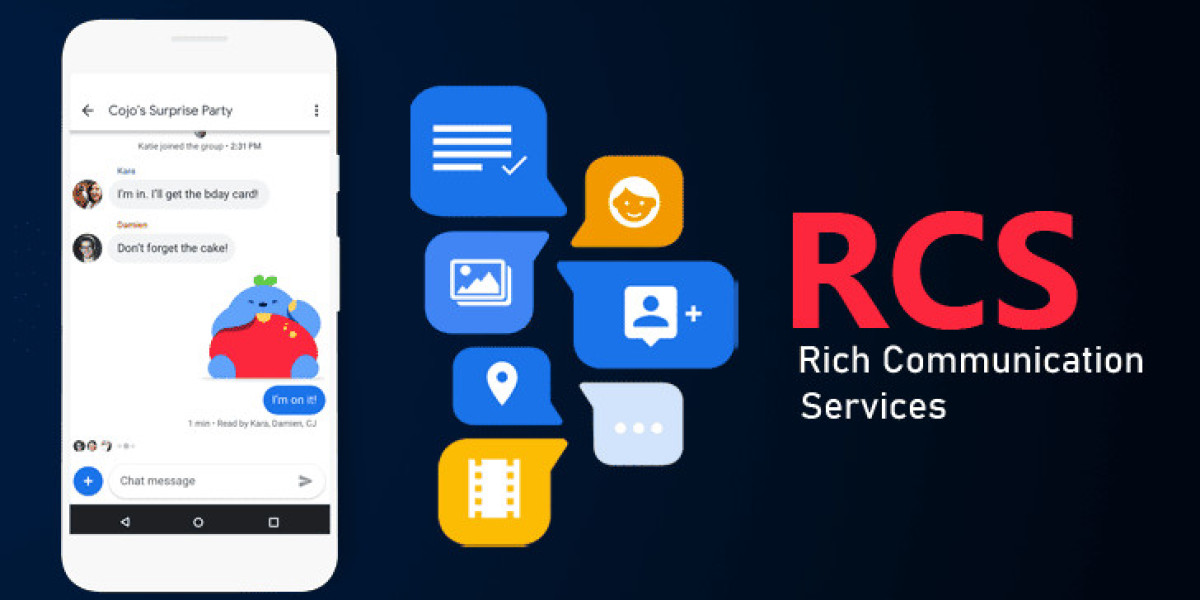

Traditional messaging channels like SMS often fall short in delivering such experiences. This is where RCS Messaging (Rich Communication Services) steps in as a powerful solution.
RCS messaging is redefining how brands communicate by turning simple text messages into rich, interactive conversations that enhance the overall customer experience.
What Makes RCS Messaging Interactive?
Unlike traditional SMS, RCS messaging allows brands to create dynamic and engaging messages with features such as:
- Rich media (images, videos, GIFs)
- Interactive buttons (Buy Now, Book Now, Learn More)
- Swipeable product carousels
- Quick reply options
- Verified brand profiles with logos
- Real-time read receipts and typing indicators
These features make communication more engaging, helping brands connect with customers in a meaningful way.
How RCS Enhances Customer Experiences
1. Creates App-Like Interactions
RCS messages function like mini applications within the messaging inbox. Customers can browse products, explore services, and take action without leaving the chat, creating a seamless experience.
2. Enables Real-Time Engagement
With instant replies, read receipts, and interactive elements, brands can engage customers in real time, making conversations more natural and responsive.
3. Simplifies Customer Journeys
RCS reduces the number of steps needed for customers to complete actions. Whether it’s making a purchase, booking a service, or getting information, everything can be done within the message.
4. Delivers Personalized Content
Brands can tailor messages based on customer preferences, behavior, and past interactions. This makes communication more relevant and increases engagement.
5. Builds Trust with Verified Profiles
RCS allows businesses to use verified sender IDs, logos, and branding elements, helping customers identify authentic messages and trust the brand.
Key Use Cases for Interactive Experiences
E-commerce & Retail
Customers can browse product catalogs, view images, and make purchases directly through RCS messages.
Travel & Hospitality
Brands can share booking confirmations, travel updates, and interactive itineraries.
Banking & Finance
Send transaction alerts, account updates, and secure communication with quick action options.
Healthcare
Allow patients to book appointments, receive reminders, and access important information easily.
Entertainment & Events
Promote events, share trailers, and enable ticket bookings through interactive messages.
Benefits of Using RCS for Customer Experience
- Higher engagement and response rates
- Improved customer satisfaction
- Faster decision-making with instant actions
- Reduced friction in communication
- Stronger brand recall and loyalty
Why Interactive Messaging Matters Today
Modern customers are used to app-based experiences and expect the same level of convenience in every interaction. RCS messaging bridges the gap between traditional messaging and app-based communication by offering:
- Visual appeal
- Instant interactivity
- Seamless navigation
- Personalized engagement
This makes it a key tool for brands aiming to stay competitive in a digital-first world.
Conclusion
RCS Messaging is transforming customer communication by making it more interactive, engaging, and user-friendly. It empowers brands to deliver rich experiences that go beyond simple text messages, helping them build stronger relationships with their audience.
As customer expectations continue to rise, adopting RCS Brand Rise messaging is becoming essential for brands that want to deliver modern, seamless, and impactful customer experiences.