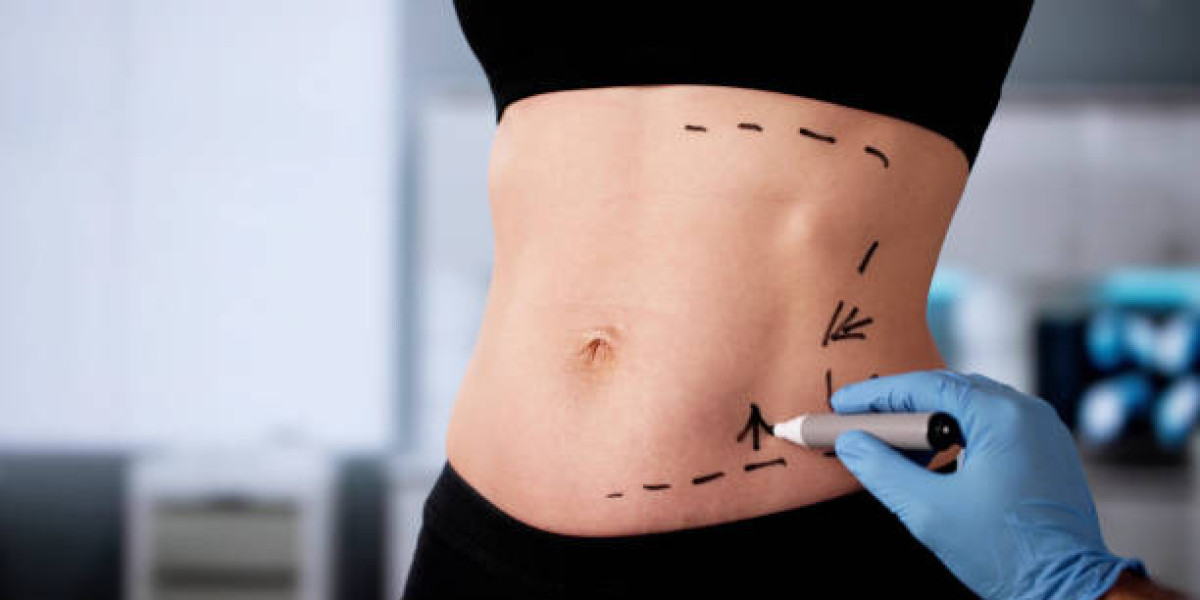

For many individuals, the struggle with a "protruding" abdomen persists despite thousands of crunches and a clean diet. This is often not a fat issue, but a structural one known as Diastasis Recti. When the internal pressure of pregnancy or significant weight gain forces the abdominal muscles to separate, the "internal corset" of the body loses its tension.
We observe that patients with this condition often feel a sense of physical weakness in their core, sometimes accompanied by back pain or poor posture. Tummy Tuck Surgery in Dubai is the primary clinical solution for this separation, as it allows a surgeon to physically bring the muscles back together. Our focus is on the functional restoration of your core, ensuring that your midsection isn't just flatter, but structurally sound and capable of supporting your daily movements.
Understanding Diastasis Recti: The Internal Gap
Diastasis Recti occurs when the rectus abdominis (the six-pack muscles) pull apart at the midline. This thins the connective tissue (linea alba) that normally holds them together.
The "Pooch" Effect: Because the muscles are no longer holding the internal organs in place, the stomach bulges outward, especially after eating.
Core Instability: Patients often report feeling "disconnected" from their core, finding it difficult to perform basic lifting or stabilization tasks.
Functional Symptoms: We find that a significant number of patients with untreated diastasis suffer from chronic lower back pain and pelvic floor dysfunction because the body's central support system is compromised.
The Surgical Correction: Muscle Plication
During Tummy Tuck Surgery in Dubai, the surgeon performs a technique called "plication." This is the internal tightening that transforms the abdominal profile.
Accessing the Fascia: After the skin is lifted, the surgeon has a clear view of the separated muscle walls.
Internal Suturing: Using heavy-duty, permanent sutures, the surgeon "zips" the two muscle bellies back to the midline.
Reinforcement: In some cases, a double row of sutures is used to ensure the repair is durable enough to withstand future physical activity.
Tension Management: The surgeon ensures the repair is tight enough to flatten the stomach but allows for natural breathing and movement.
Functional Benefits of Muscle Repair
The transformation is more than just aesthetic; it is a restoration of the body's natural mechanics.
How does the repair improve my core strength?
Once the muscles are realigned, they can once again contract effectively. We observe that after the initial healing phase, patients find it much easier to engage their core during exercise. This "tightness" provides a stable foundation for the rest of the body, often leading to a natural improvement in posture and balance.
Can it resolve back pain?
Yes. When the abdominal muscles are weak, the muscles of the lower back must work twice as hard to keep you upright. By restoring the "front" of the core, the "back" is relieved of this constant strain. Based on post-procedure follow-ups, many patients report that their persistent back aches vanish once they have fully recovered from the muscle repair.
Recovery Focus: Protecting the Repair
Because the muscles have been physically sutured, the first month of recovery is focused on protecting those internal stitches.
Managing the "Pull": You will feel a significant "tightening" sensation in the center of your stomach. Patients often describe it as feeling like they have an internal belt that won't let them lean back.
Sneezing and Coughing: During the first two weeks, a sudden sneeze can feel quite sharp. We recommend "splinting"—holding a pillow firmly against your stomach—to provide counter-pressure during a cough or sneeze.
Restricted Movement: You must avoid twisting your torso or lifting anything over 2kg. These actions can put undue stress on the new sutures before the tissue has had time to bond.
Experience-Driven Insights: Core Strength Post-Op
We have observed that the psychological impact of "feeling strong" again is a major factor in patient satisfaction.
The "Flat" Morning Sensation: Patients often remark how strange it feels to wake up with a stomach that doesn't "cave in" or "bulge out."
The "Tight" Workout: When you return to the gym around week 12, your first core workout will feel different. You will feel the muscles engaging much sooner than they did before the surgery.
Sensory Recalibration: It takes about six months for the internal tissues to soften. Until then, the repaired area may feel "firm" or "stiff" to the touch.
Frequently Asked Questions
Can exercise alone close a 3cm gap of Diastasis Recti?
While specialized physical therapy can strengthen the muscles, it cannot "shrink" the stretched-out connective tissue (linea alba). If the gap is significant, the tissue has lost its elasticity. Surgery is the only way to physically bring the muscle edges back together for a permanent fix.
Is the muscle repair permanent?
The sutures are permanent, and the tissue typically heals into its new position. However, significant weight gain or a future pregnancy can restretch the area and potentially cause the diastasis to return. We recommend this surgery for those who have completed their families.
Does muscle repair make the surgery more painful?
It doesn't necessarily make the pain "sharper," but it does increase the feeling of "pressure" and "tightness." Most patients find that the functional benefit of a stronger core far outweighs the temporary discomfort of the first few weeks.
How long does the "muscle tightness" last?
The feeling of being "overly tight" usually peaks in the first two weeks and gradually softens. By month three, you will be able to move normally, and by month six, the internal repairs should feel like a natural part of your body.
Can I get a tummy tuck without muscle repair?
Yes, if your muscles are already tight and you only have loose skin. However, we observe that most patients seeking Tummy Tuck Surgery in Dubai benefit from at least some degree of muscle tightening to achieve the best possible contour.
Why Choose Us
At Tajmeels Clinic, we view Tummy Tuck Surgery in Dubai as an opportunity for total physical restoration. We don't just focus on the skin; we prioritize the health and alignment of your abdominal wall. Our surgeons are experts in the delicate "plication" techniques required to repair Diastasis Recti effectively and safely. We provide you with the guidance and support needed to protect your repair during recovery, ensuring that your results are both beautiful and functional. By choosing us, you are opting for a team that understands the importance of core strength and is dedicated to helping you feel empowered in your body once again.