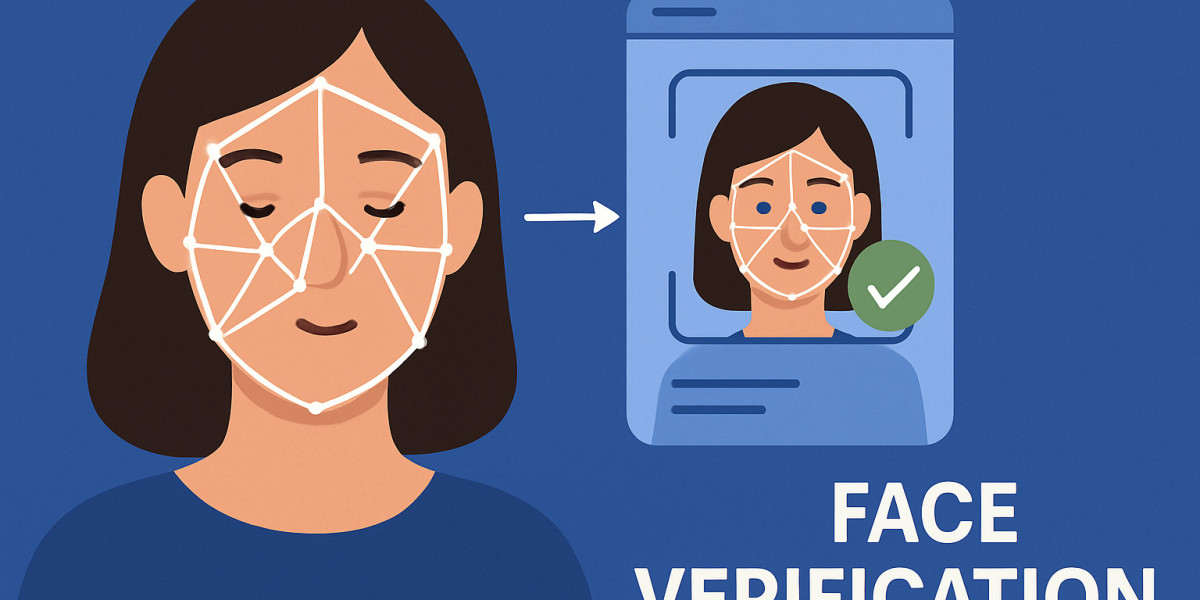

In today’s digital-first world, businesses are rapidly adopting advanced security technologies to combat fraud and ensure seamless user experiences. Among the most effective solutions are facial verification and biometric voice recognition, two powerful tools transforming identity authentication across industries.
What is Facial Verification?
Facial verification is a biometric technology that uses artificial intelligence (AI) to identify or confirm an individual’s identity by analyzing their facial features. It compares a live image or video with a stored image, such as an ID document or database record.
This technology is widely used in industries like banking, fintech, e-commerce, and travel. With increasing cases of identity fraud, facial verification provides an extra layer of security by ensuring that the person accessing a service is genuine.
Benefits of Facial Verification
- Enhanced Security: Prevents identity theft and unauthorized access
- Frictionless User Experience: Enables quick and seamless onboarding
- Remote Verification: Allows users to verify their identity from anywhere
- Fraud Prevention: Detects spoofing attempts using liveness detection
What is Biometric Voice Recognition?
Biometric voice recognition, also known as voice biometrics, is a technology that identifies individuals based on their unique voice patterns. It analyzes vocal characteristics such as pitch, tone, and speech rhythm to authenticate a user.
This technology is increasingly used in call centers, banking services, and mobile applications to verify users without requiring passwords or PINs.
Key Advantages of Biometric Voice Recognition
- Hands-Free Authentication: Users can verify identity through simple speech
- High Accuracy: Advanced AI ensures precise voice matching
- Improved Customer Experience: Eliminates the need for remembering passwords
- Fraud Detection: Identifies suspicious or synthetic voice attempts
Why Combine Facial Verification and Voice Biometrics?
Using facial verification and biometric voice recognition together creates a multi-layered authentication system. This combination significantly reduces the risk of fraud while enhancing user trust.
For example, during digital onboarding, a user can complete facial verification through a selfie and then confirm their identity using voice recognition. This dual verification ensures higher accuracy and security.
Use Cases Across Industries
- Banking & Fintech: Secure account opening and transaction authentication
- Telecom: SIM registration and customer verification
- Healthcare: Patient identity verification
- E-commerce: Fraud prevention during high-value transactions
SEO Advantage for Businesses
Implementing these technologies not only improves security but also boosts your brand’s credibility online. By targeting keywords like facial verification and biometric voice recognition, businesses can attract high-intent traffic looking for secure identity solutions.
Conclusion
Facial verification and biometric voice recognition are redefining digital identity verification. As cyber threats continue to evolve, adopting these advanced biometric technologies is no longer optional—it’s essential. Businesses that invest in these solutions can ensure robust security, improve customer experience, and stay ahead in a competitive digital landscape.