
Most of us walk through buildings every day without noticing the layers of safety built into them. Offices, apartment complexes, schools, and retail spaces all have one thing in common—they rely on systems designed to protect people in case something goes wrong. Among these, fire protection equipment plays one of the most important roles, even if it often goes unnoticed.
It’s not just about reacting to fire. It’s about reducing risk, buying time, and helping people stay safe in situations that can quickly become overwhelming.
Looking Beyond the Obvious
When thinking about fire protection equipment, many people imagine emergency tools used only during a crisis. While that’s partly true, these systems are actually working long before any visible signs of danger appear.
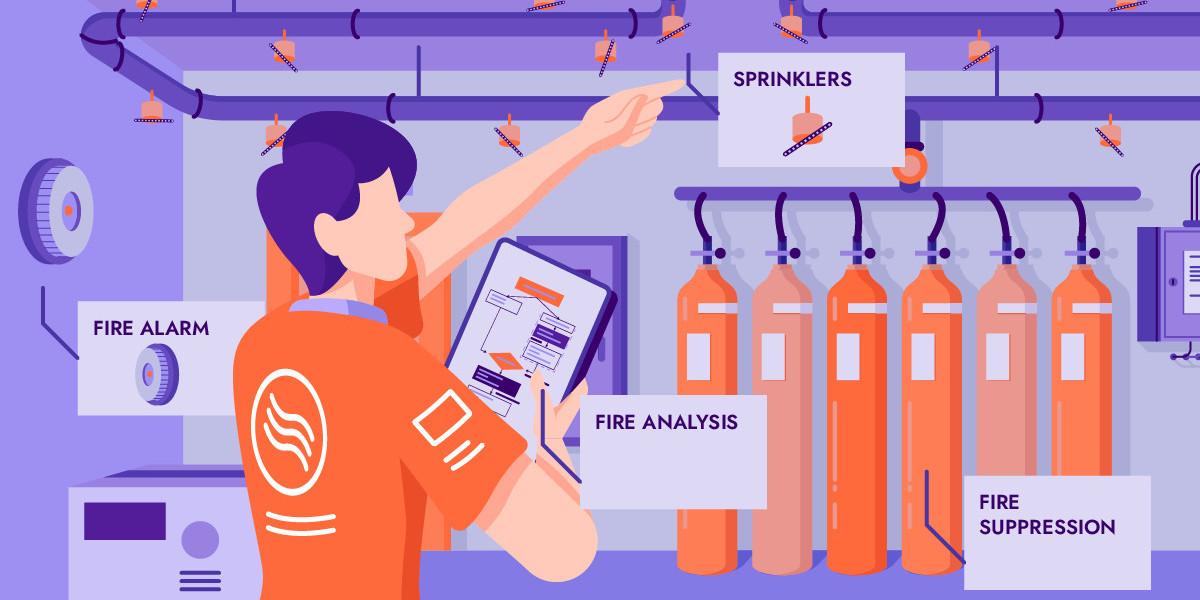
Smoke detectors, for instance, are constantly monitoring the air for changes. Fire alarms are ready to trigger at the first sign of smoke or heat. Sprinkler systems remain on standby, connected to water supplies and calibrated to activate under specific conditions.
All of this happens quietly in the background. There’s no daily reminder that these systems exist, yet they are always ready to respond when needed.
Early Detection Changes Everything
One of the most important aspects of fire protection equipment is how quickly it can detect a problem. Fires don’t usually start as large, dramatic events. They begin small—sometimes as something as simple as an overheated wire or a forgotten appliance.
The sooner a fire is detected, the more manageable it is. Early alerts give occupants time to leave safely and allow emergency responders to act before the situation escalates.
This is where detection systems make a real difference. They don’t just notify people—they create a window of opportunity that can prevent injuries and limit damage.
Containing the Situation Before It Spreads
Detection is only one part of the equation. Fire protection equipment also focuses on controlling or suppressing flames before they spread.
Sprinkler systems are a good example of this. Contrary to common belief, they don’t all activate at once. Instead, individual sprinkler heads respond to heat in specific areas, targeting the fire directly. This localized response helps contain the situation while minimizing unnecessary water damage.
In more specialized environments, different suppression methods may be used. Some systems rely on gases or chemicals designed to extinguish fire without harming sensitive equipment or materials.
The goal is always the same: stop the fire from growing and reduce its impact.
Supporting Safe Evacuation
During a fire emergency, confusion can spread quickly. People may not know where to go or how serious the situation is. Fire protection equipment helps provide clarity in those moments.
Alarm systems alert everyone in the building at once, creating a clear signal that action is needed. Emergency lighting ensures that exits remain visible even if power is lost. In some cases, voice communication systems guide occupants with instructions.
These features might seem simple, but they play a critical role in helping people move safely and efficiently out of a building.
Why Consistency and Reliability Matter
One of the defining features of fire protection equipment is its reliability. These systems are designed to function under pressure, often in challenging conditions.
But reliability doesn’t happen by accident. It comes from proper installation, regular inspections, and ongoing maintenance. Even a small issue—like a blocked sprinkler head or a malfunctioning sensor—can affect performance.
That’s why routine checks are so important. They ensure that everything is in working order and ready to respond when it’s needed most.
A Part of Everyday Safety
It’s easy to think of fire safety as something separate from daily life, but in reality, it’s built into the spaces we use all the time. Fire protection equipment is part of that foundation.
It doesn’t draw attention to itself. It doesn’t interrupt daily routines. But it’s always there, quietly supporting safety in ways that often go unrecognized.
Understanding its role can change how we see the environments around us. It’s not just about walls and ceilings—it’s about the systems that help protect the people inside them.
Fire Protection Equipment Co
2020 Broadway St NE ste 100, Minneapolis, MN 55413
Phone: (800) 450-2885