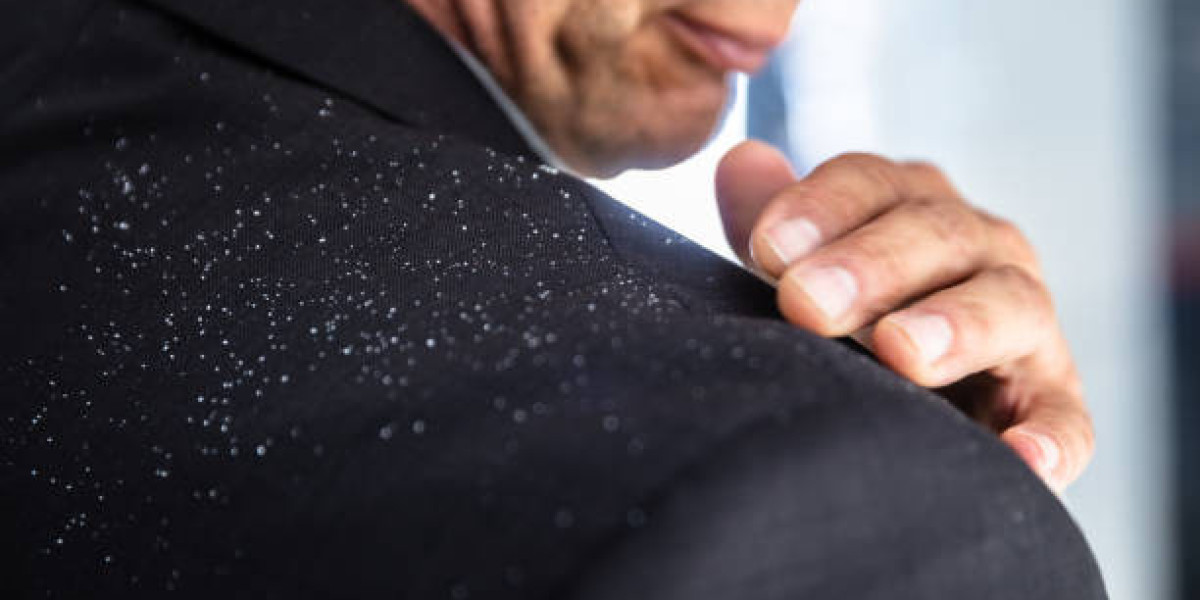

The pursuit of holistic scalp health has led many residents to explore botanical alternatives for Dandruff Treatment in Dubai. In a market saturated with chemical formulations, the appeal of "clean" or "natural" solutions is understandable, particularly for those with sensitive skin or a preference for organic care. However, the efficacy of natural remedies is often obscured by anecdotal claims and traditional myths. To achieve a clear scalp in the UAE's demanding climate, one must distinguish between kitchen-remedy folklore and biologically active plant compounds that can actually suppress the Malassezia fungus. At our practice, we provide a grounded perspective on which natural interventions are supported by clinical evidence and how they can be integrated into a professional management plan.
Tea Tree Oil Evidence
Tea tree oil (Melaleuca alternifolia) is perhaps the most researched natural antimicrobial agent in the context of scalp health. We find that its primary value lies in its high concentration of terpinen-4-ol, a compound with significant antifungal and anti-inflammatory properties.
We observe that clinical studies have shown a 5% tea tree oil concentration can effectively reduce the population of dandruff-causing yeast. For patients seeking a natural Dandruff Treatment in Dubai, tea tree oil acts as a biological "reset" for the scalp’s microbiome. Based on post-procedure follow-ups, we find that it is particularly effective at reducing the "heat" and redness associated with fungal flare-ups. However, we observe that it must be used correctly to avoid contact dermatitis, which can mimic the very flaking it is meant to treat.
Can I apply pure tea tree oil directly to my scalp?
We find that applying undiluted tea tree oil is highly discouraged, as it is a potent sensitizer. We observe that it can cause localized chemical burns or intense irritation in the thin skin of the scalp. Based on post-procedure follow-ups, it is best to dilute 2–3 drops into a carrier oil like squalane or into a gentle, fragrance-free shampoo. We find that this "dilution protocol" ensures you receive the antifungal benefits without risking a secondary inflammatory reaction.
Aloe Vera Applications
While many remedies focus on killing fungus, Aloe Vera serves a different role in Dandruff Treatment in Dubai: soothing the damaged skin barrier.
We find that Aloe Vera is rich in proteolytic enzymes which help to naturally break down the dead skin cells that form flakes. We observe that its high water content and cooling properties provide immediate relief for the "burning" itch often felt during a Dubai summer flare-up. Based on post-procedure follow-ups, Aloe Vera also has mild antifungal properties, though it is generally not strong enough to clear a severe case on its own. We find it works best as a "calming agent" used between more aggressive medicated treatments.
Does Aloe Vera help with the "oily" type of dandruff?
Yes, we find that Aloe Vera is an excellent option for oily scalps because it provides moisture without adding heavy lipids. We observe that it can help regulate sebum production by hydrating the skin, preventing "rebound" oiliness. Based on post-procedure follow-ups, applying fresh aloe gel to the scalp 30 minutes before washing can help loosen oily flakes and soothe the skin. We find that its non-comedogenic nature makes it safe for almost all scalp types in the UAE.
Apple Cider Vinegar Rinses
Apple Cider Vinegar (ACV) is a popular home intervention, frequently discussed in the context of Dandruff Treatment in Dubai for its ability to balance the scalp's pH.
We find that the scalp naturally has an acidic pH (around 5.5), which inhibits fungal growth. We observe that many soaps and environmental factors in Dubai can push the scalp toward an alkaline state, which encourages Malassezia to thrive. A diluted ACV rinse can help restore this acidity. Based on post-procedure follow-ups, we find that ACV also helps dissolve mineral buildup from desalinated water, which can contribute to "pseudo-dandruff." However, we find that its effectiveness as a standalone antifungal is limited compared to clinical agents.
Is the smell of vinegar a sign it is working?
The smell is simply a characteristic of the acetic acid and does not correlate with efficacy. We find that the most important factor is the dilution ratio. We observe that using ACV too frequently or in too high a concentration can lead to "acid mantle disruption," making the scalp even more vulnerable. Based on post-procedure follow-ups, we suggest a ratio of one part vinegar to four parts water, used no more than once a week. We find that this moderate approach provides the benefits of pH balancing without the risk of over-acidification.
Coconut Oil Caveats
One of the most common mistakes we see in residents seeking Dandruff Treatment in Dubai is the use of coconut oil as a "cure" for dandruff.
We find that while coconut oil is excellent for hair health and dry scalp, it can be detrimental for true fungal dandruff. We observe that the Malassezia fungus actually "feeds" on the saturated fatty acids found in coconut oil. Based on post-procedure follow-ups, applying coconut oil to a fungal-prone scalp often results in an explosion of yeast growth and increased flaking. We find that unless your flakes are strictly caused by simple dehydration (dry scalp), you should keep coconut oil away from the roots of your hair.
What should I use instead of coconut oil for a flaky scalp?
If your scalp is both flaky and dry, we find that C8 (Caprylic Acid) MCT oil or Squalane are safer alternatives. We observe that these specific lipids do not feed the common dandruff fungus. Based on post-procedure follow-ups, these oils provide the necessary barrier repair without the "yeast-feeding" side effects of traditional botanical oils. We find that choosing the "right" oil is one of the most technical aspects of successful natural scalp management.
When Natural Is Not Enough
Recognizing the limitations of natural remedies is essential for preventing the progression of chronic scalp conditions.
We find that natural remedies are most effective for mild, occasional flaking or as supportive care. We observe that if your dandruff is accompanied by "silver" scales, weeping, or significant hair shedding, botanical solutions are likely insufficient. Based on post-procedure follow-ups, persistent conditions usually require the higher-authority concentration of medical-grade actives like Ketoconazole or Piroctone Olamine. We find that relying solely on home remedies for a severe flare-up can lead to permanent scalp scarring or follicular damage.
Why Choose Tajmeels Clinic
At Tajmeels Clinic, we bridge the gap between traditional botanical care and modern dermatological science. We provide a professional environment where we analyze your scalp to determine if natural interventions are appropriate for your specific condition. Our practitioners understand the "biochemistry of nature," helping you select only those natural agents that are safe for your scalp type. We provide an empathetic and grounded approach to your care, ensuring that your preference for natural products is balanced with a commitment to clinical results. By choosing Tajmeels Clinic, you are opting for a practice that values both the wisdom of nature and the power of medical-grade Dandruff Treatment in Dubai.
FAQs
Can lemon juice help with dandruff?
We find that lemon juice is generally too acidic and irritating for the scalp. We observe that while it may temporarily dissolve some flakes, it can cause "phytophotodermatitis" (a severe skin reaction when exposed to the sun) and disrupt the scalp’s microbiome. Based on post-procedure follow-ups, we recommend avoiding lemon juice in favor of more stable pH-balancers like diluted ACV.
Is baking soda safe for a dandruff-prone scalp?
We find that baking soda is highly alkaline (pH around 9), which is the opposite of what a healthy scalp needs. We observe that using baking soda can strip the hair and make the scalp a more hospitable environment for fungus. Based on post-procedure follow-ups, we find that it is far too aggressive for the delicate skin of the scalp and should be avoided in all Dandruff Treatment in Dubai.
How long should I leave a natural mask on my scalp?
We find that 20 to 30 minutes is the optimal time for natural ingredients like Aloe Vera or diluted tea tree oil to interact with the skin. We observe that leaving masks on overnight can trap heat and moisture, which may inadvertently encourage fungal growth. Based on post-procedure follow-ups, a short, consistent application followed by a thorough rinse is the safest clinical approach.
Does "natural" mean it won't have side effects?
No, we find that many natural substances are potent allergens. We observe that "natural" is not a synonym for "gentle" or "safe." Based on post-procedure follow-ups, it is common for patients to develop contact dermatitis from plant extracts. We find that performing a patch test is just as important for natural remedies as it is for synthetic ones.
Are there natural supplements that help the scalp from the inside?
We find that Zinc, Vitamin B complex, and Omega-3 supplements can support a healthier scalp environment. We observe that these nutrients help regulate oil production and reduce systemic inflammation. Based on post-procedure follow-ups, internal support often makes topical Dandruff Treatment in Dubai more effective. We find that healthy skin starts with a balanced nutritional foundation.
Can I use natural remedies on my children?
We find that pediatric scalps are much thinner and more sensitive than adult skin. We observe that many essential oils (like tea tree) can be too harsh for children. Based on post-procedure follow-ups, we suggest sticking to very gentle options like Aloe Vera or plain water for minor flaking in kids. We find that a professional consultation is always recommended before applying botanical extracts to a child's scalp.