Introduction
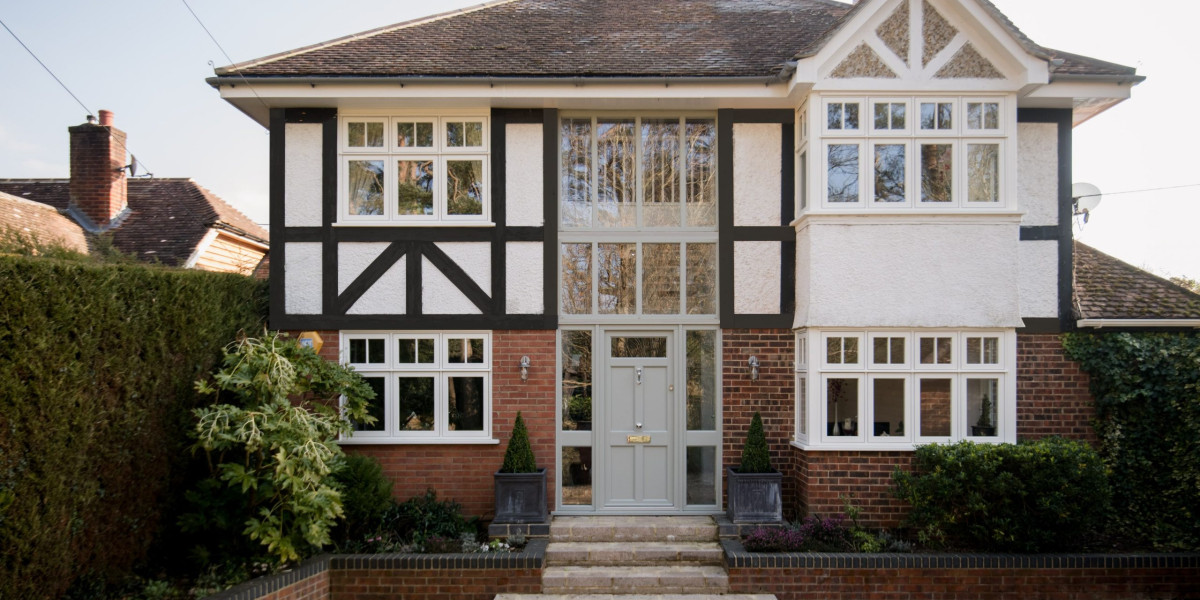
An elevation designer is a professional who specializes in creating the exterior appearance of buildings. In architecture and construction, “elevation” refers to the front, side, or rear view of a structure. These designs show how a building will look from the outside after completion. Elevation designers play a crucial role in shaping the visual identity, style, and aesthetic appeal of any building project.
What Does an Elevation Designer Do?
The primary responsibility of an elevation designer is to develop detailed visual plans for the exterior of buildings. They work closely with architects, civil engineers, and clients to ensure that the design matches both functional needs and aesthetic expectations. Their work includes selecting materials, deciding color schemes, planning window and door placements, and designing decorative elements. They also ensure that the design aligns with structural safety standards and local building regulations.
Importance of Elevation Design in Architecture
Elevation design is important because it defines the first impression of a building. Whether it is a home, office, shopping complex, or commercial tower, the exterior design reflects its purpose and personality. A well-designed elevation increases property value and improves visual harmony in urban and residential areas. It also helps in making buildings more energy-efficient by considering sunlight, ventilation, and insulation factors.
Skills Required to Become an Elevation Designer
To become a successful elevation designer, a combination of technical and creative skills is needed. Strong knowledge of architectural software such as AutoCAD, SketchUp, and 3D modeling tools is essential. Creativity plays a key role in developing unique and attractive designs. Additionally, understanding construction materials, structural principles, and design trends is important. Good communication skills are also necessary to collaborate with clients and project teams.
Types of Elevation Designs
Elevation designers create different styles of building exteriors based on client preferences and architectural trends. Some common types include modern elevation, traditional elevation, contemporary design, and minimalist style. Modern elevations often focus on clean lines and glass materials, while traditional designs include decorative elements and cultural influences. Contemporary styles combine both modern and traditional features, whereas minimalist designs emphasize simplicity and functionality.
Role of Technology in Elevation Design
Technology has greatly improved the work of elevation designers. Today, 3D visualization tools allow designers to create realistic images of buildings before construction begins. This helps clients better understand how the final structure will look. Virtual reality and advanced rendering software also allow designers to experiment with different materials, lighting effects, and color combinations. This reduces errors and improves design accuracy.
Conclusion
An elevation designer plays a vital role in shaping the appearance and identity of buildings. Their work combines creativity, technical knowledge, and modern technology to create visually appealing and functional structures. As architecture continues to evolve, the demand for skilled elevation designers is increasing, making it a promising career choice in the design and construction industry.