
Navigating the world of hair restoration can often feel overwhelming, especially when looking for a balance between clinical efficacy and a non-invasive approach. For many residents, the decision to undergo PRP Hair Treatment in Dubai marks a turning point in managing thinning hair and scalp health. As a leading regenerative therapy in 2026, Platelet-Rich Plasma (PRP) uses the biological components of your own blood to stimulate follicles and extend the hair’s growth cycle. Understanding the specific stages of this journey—from the initial consultation to the final visible outcomes—is essential for setting realistic expectations and achieving the best possible aesthetic results.
Understanding the Regenerative Timeline
The most common question patients ask is how soon they will see a difference in their hair density. It is important to remember that hair restoration is a biological process, not an overnight fix. Because the treatment relies on the body’s natural healing response, the results unfold according to the hair’s physiological growth cycles.
In our clinical experience, the timeline is generally divided into three distinct phases. During the first few weeks, the primary goal is the "Shedding Reset," where active hair fall begins to slow down. By the third month, many patients observe a noticeable change in hair texture. The final phase, which occurs between six to twelve months, is when the true increase in density and volume becomes visible as the stimulated follicles produce thicker, more resilient hair shafts.
Pre-Procedure Guidelines for Optimal Results
Preparation is a vital component of a successful treatment plan. Since the procedure relies on the quality of your platelets, your internal health directly impacts the efficacy of the injections. We recommend that patients focus on high hydration and nutritional support in the week leading up to their session.
What patients typically report during recovery is a much smoother experience when they have followed strict pre-op guidelines. Specifically, avoiding anti-inflammatory medications and certain herbal supplements that thin the blood can prevent bruising and ensure the platelets remain highly active upon injection.
Hydration: Drink at least 2-3 liters of water daily for 48 hours prior.
Medication: Avoid Ibuprofen or Aspirin for 7 days (consult your doctor first).
Nutrition: Increase intake of Vitamin C and Iron-rich foods.
Scalp Care: Arrive with a clean, product-free scalp on the day of treatment.
The Procedure: A Step-by-Step Clinical Walkthrough
A standard session for PRP Hair Treatment in Dubai is designed to be efficient and comfortable, typically fitting into a busy professional schedule. The process begins with a specialized blood draw using a high-yield collection kit. This sample is then processed in a dual-spin centrifuge to isolate the "buffy coat," the layer richest in growth factors and cytokines.
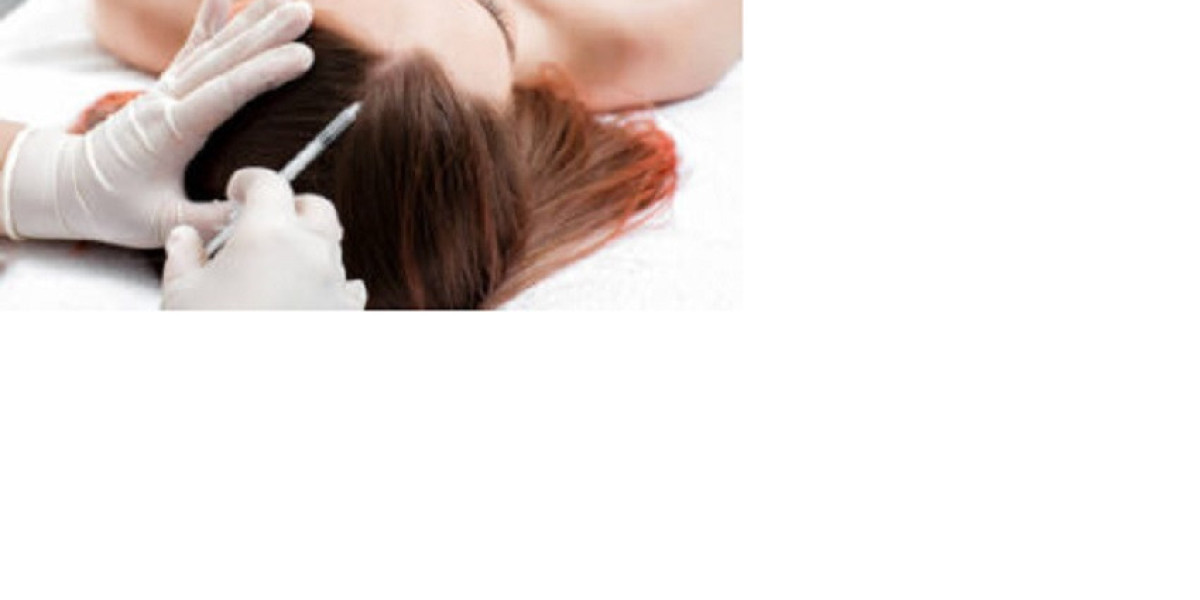
Once the plasma is concentrated, it is administered via micro-injections into the areas of the scalp showing the most significant thinning. We use precision mapping to ensure that the "dormant zones" receive the highest concentration of growth factors. The entire process takes approximately 45 minutes, and because it is minimally invasive, no sedation is required.
Recovery and Post-Session Scalp Care
One of the primary benefits of this therapy is the lack of downtime. Most individuals return to their work or social activities immediately after leaving the clinic. However, the first 24 to 48 hours are crucial for allowing the growth factors to be fully absorbed by the follicular tissue.
| Timeframe | Recommended Activity | What to Avoid |
| First 6 Hours | Keep the scalp dry and untouched | Hair products, hats, touching |
| 12 - 24 Hours | Gentle lukewarm water rinse | Harsh shampoos, hot water |
| 48 Hours | Resume light exercise | Vigorous cardio, saunas, swimming |
| 1 Week | Regular grooming | Hair coloring or chemical perms |
In our clinical experience, patients who prioritize scalp hygiene during the first two days achieve the most consistent results. Avoiding excessive sun exposure and heat during this window helps prevent any minor swelling from lingering.
Safety Profile and Potential Side Effects
As an autologous treatment (using your own blood), the safety profile of PRP is exceptionally high. There is zero risk of allergic reaction or cross-contamination. Most side effects are localized and temporary, such as mild redness, a "tight" sensation on the scalp, or very minor bruising at the injection sites.
Rarely, some patients may experience a brief period of "temporary shedding" known as telogen effluvium. This is actually a positive clinical sign; it indicates that the follicles are being pushed from a resting phase into a new, active growth phase, clearing out old, weak hairs to make room for stronger ones.
Identifying the Best Candidates for Success
While PRP is a versatile tool, it is specifically optimized for individuals in the early to moderate stages of hair thinning. It is highly effective for androgenetic alopecia (pattern baldness) and diffuse thinning caused by stress or nutritional deficiencies.
Durin your initial assessment, we use trichoscopy to evaluate the health of your hair follicles. If the follicles are still present and "miniaturized" rather than completely gone, the chances of significant regrowth are very high. For those with total hair loss in specific areas, we may discuss how PRP can be used to support and enhance the results of a hair transplant.
Long-Term Maintenance and Sustainability
Achieving a fuller head of hair is a marathon, not a sprint. To sustain the density gains made during the initial loading phase (usually 3-4 sessions), maintenance is required. The environmental factors in a city like Dubai—such as high heat, humidity, and desalinated water—can place additional stress on the scalp, making regular "booster" sessions even more valuable
Most patients find that one maintenance session every six months is sufficient to keep the follicles in an active growth state. This proactive approach ensures that the hair remains thick and resistant to the hormonal changes that typically cause thinning over time.
Conclusion: Empowering Your Hair Health Journey
Deciding to address hair thinning is a significant step toward reclaiming your self-image and confidence. It is important to validate the frustration that comes with hair loss, but also to recognize that modern medical advancements have made restoration more accessible than ever. By choosing a science-backed, natural method, you are investing in the long-term vitality of your scalp. Tajmeels Clinic offers a dedicated environment where medical expertise meets personalized care, ensuring your restoration plan is as unique as your hair. Moving from the consideration phase to a concrete clinical plan allows you to take control of your appearance with confidence.