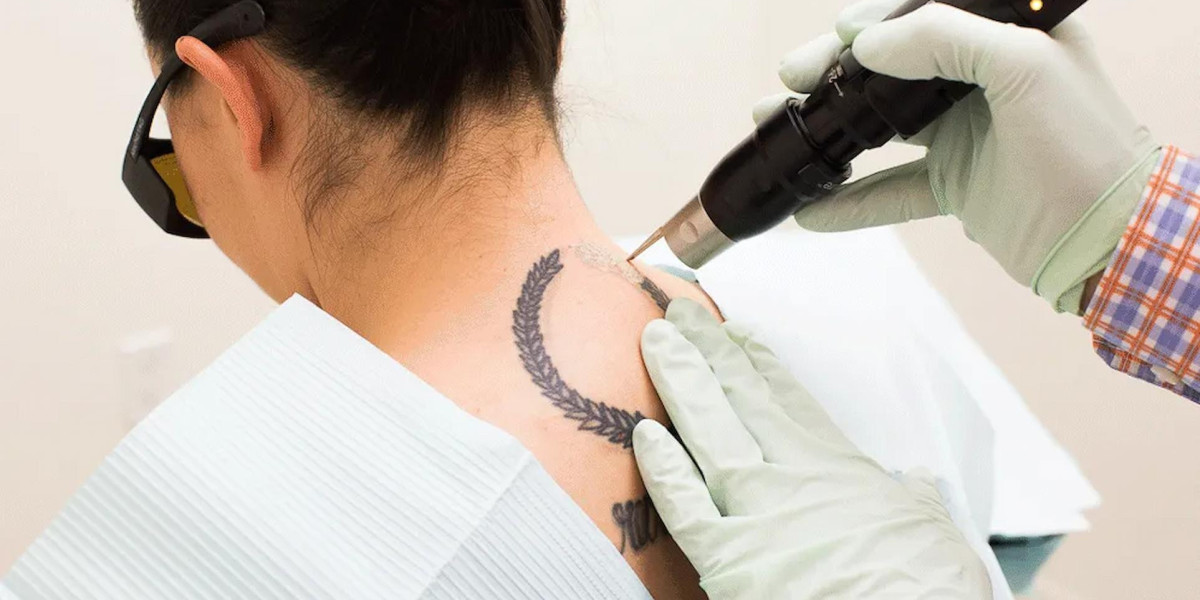

The journey to an ink-free life is often clouded by a variety of conflicting techniques and anecdotal advice. When evaluating the best methods for tattoo removal in Dubai, it is essential to distinguish between superficial treatments and deep-reaching medical solutions. Historically, methods like dermabrasion or acid-based salabrasion were used, but these often resulted in significant scarring and incomplete removal. In 2026, the gold standard remains high-intensity laser therapy, which offers a non-invasive way to target pigment without damaging the skin's surface. By choosing a method backed by clinical evidence, you ensure that your skin remains healthy while the unwanted ink is systematically dismantled and removed by your body's natural processes.
Selecting the right method is the most important decision you will make for your skin's long-term appearance and safety.
Comparing Clinical Methods vs. Outdated Techniques
Understanding why modern medicine favors specific technologies helps patients avoid the pitfalls of less effective or dangerous alternatives.
Why Is Laser Therapy Considered the Best Method for Removal?
Laser therapy is the superior method because it is "selective." It uses specific wavelengths that are absorbed only by the ink particles, leaving the surrounding skin cells untouched. This precision allows for the fragmentation of deep-seated pigment without the trauma, bleeding, or long recovery times associated with surgical or abrasive removal methods.
Are Tattoo Removal Creams an Effective Alternative?
Medically speaking, removal creams are largely ineffective. Tattoo ink is trapped in the dermis, the second layer of skin, which topical creams cannot penetrate deeply enough to reach. These products often rely on harsh bleaching agents that can irritate the epidermis or cause chemical burns without ever significantly fading the actual tattoo pigment.
How Does Surgical Excision Compare to Laser Removal?
Surgical excision involves cutting out the inked skin and stitching the remaining tissue back together. While this method is "instant," it is only practical for very small tattoos and always leaves a linear surgical scar. For larger designs or visible areas, laser removal is the preferred method as it preserves the skin's natural texture.
The Hierarchy of Laser Methods in 2026
Not all lasers are created equal. The "best" method often involves a combination of different technologies tailored to your specific ink chemistry.
Picosecond Method: Best for stubborn colors (green, blue) and the final "shadow" phase of removal.
Q-Switched Method: The primary tool for heavy black ink and deep tribal designs.
Multi-Pass (R20) Method: A specialized technique where multiple laser passes are performed in one session to speed up results.
Fractional CO2 Integration: Sometimes used alongside ink removal to improve skin texture and accelerate the body's healing response.
What Is the R20 Method, and Does It Speed Up Results?
The R20 method involves performing four laser passes in a single visit, with 20-minute breaks in between. While this can sometimes accelerate fading for certain ink types, it also increases the risk of skin irritation. A professional specialist will determine if your skin can safely handle this accelerated method during your consultation.
Is the "Pico" Method Truly Better for All Patients?
The Picosecond method is revolutionary for its ability to shatter ink into microscopic "dust," making it easier for the body to flush away. However, for very dark, dense black ink, a traditional Q-switched laser may still be the best method for the first few sessions to break down the bulk of the pigment efficiently.
Practical Sensations of the Top Methods
The physical experience of the treatment is a major consideration for many patients. Modern methods focus heavily on mitigating discomfort.
The "Cold Snap": Most patients feel a sharp, cold snapping sensation as the laser hits the pigment.
The Vibration: Some advanced lasers create a localized vibration in the tissue as the ink particles undergo mechanical shattering.
The Post-Heat: After the session, the area feels warm and slightly tender, similar to the sensation of a moderate sunburn.
How Is Discomfort Managed During the Best Clinical Methods?
Specialists use a combination of high-flow cryo-cooling (chilled air) and medical-grade topical numbing. By cooling the skin to sub-zero temperatures during the laser pulses, the nerve endings are temporarily dulled, allowing for a much more comfortable experience than older, uncooled methods allowed.
What Are the Immediate Visual Indicators of a Successful Session?
A successful session is usually marked by "laser frosting," where the tattoo turns white for a few minutes. You may also see mild swelling and redness around the edges of the ink. These signs indicate that the laser has successfully interacted with the pigment and triggered a healing response.
Social Proof: Real Patient Perspectives
"I tried a removal cream for six months and saw zero change. After just two laser sessions at the clinic, my tattoo has faded more than I ever thought possible. I wish I hadn't wasted time on 'DIY' methods." — Faisal
"The specialist explained why the laser was the best method for my colorful tattoo. Seeing the red ink practically vanish after the first few pings was incredible." — Laila
Why Seek the Best Clinical Methods for Your Skin?
Achieving a clean slate requires a method that respects both the science of light and the biology of human skin. At Tajmeels Clinic, we utilize a curated selection of the world's most effective laser platforms to ensure every patient receives a customized removal plan. Our specialists are trained in the latest 2026 protocols, focusing on maximum ink fragmentation with minimum tissue disruption. We provide a professional, medical-grade environment where your safety is as important as your results. By choosing the proven methods offered at our facility, you are ensuring a faster, safer, and more reliable path to clear skin. We invite you to experience the difference that expert technology and clinical precision can make at Tajmeels Clinic.
Frequently Asked Questions
Can the "best" method remove a tattoo in one day?
No, there is currently no safe medical method that can remove a professional tattoo in a single day. The body needs time—usually 6 to 8 weeks—to flush away the ink particles shattered by the laser. Attempting to remove it all at once would cause severe skin damage and permanent scarring.
Does the best method work on all skin colors?
Yes, modern laser methods are safe for all skin tones, provided the correct wavelengths are used. For darker skin, we use specific lasers (like the 1064nm Nd:YAG) that bypass the skin's melanin and target only the ink, preventing the risk of permanent skin lightening or "ghosting."
Why are some methods much cheaper than others?
Cheaper methods often use low-powered, portable equipment or "beauty-grade" lasers that lack the precision of medical-grade systems. These often require significantly more sessions to see results and carry a higher risk of burns. Investing in the best clinical method usually saves money in the long run by requiring fewer total sessions.
Is it normal to have small blisters after the treatment?
While not universal, small blisters can occur as a part of the skin's natural inflammatory response to the shattered ink. If they appear, do not pop them. They are a sign that your immune system is active and the "clearing" process has begun. They typically heal on their own within a few days.
How should I prepare for the best possible results?
The best way to prepare is to stay hydrated and avoid the sun. Hydration keeps your lymphatic system running efficiently, while avoiding the sun ensures your skin is at its natural tone, allowing the laser to target the ink with maximum accuracy and safety during your session.