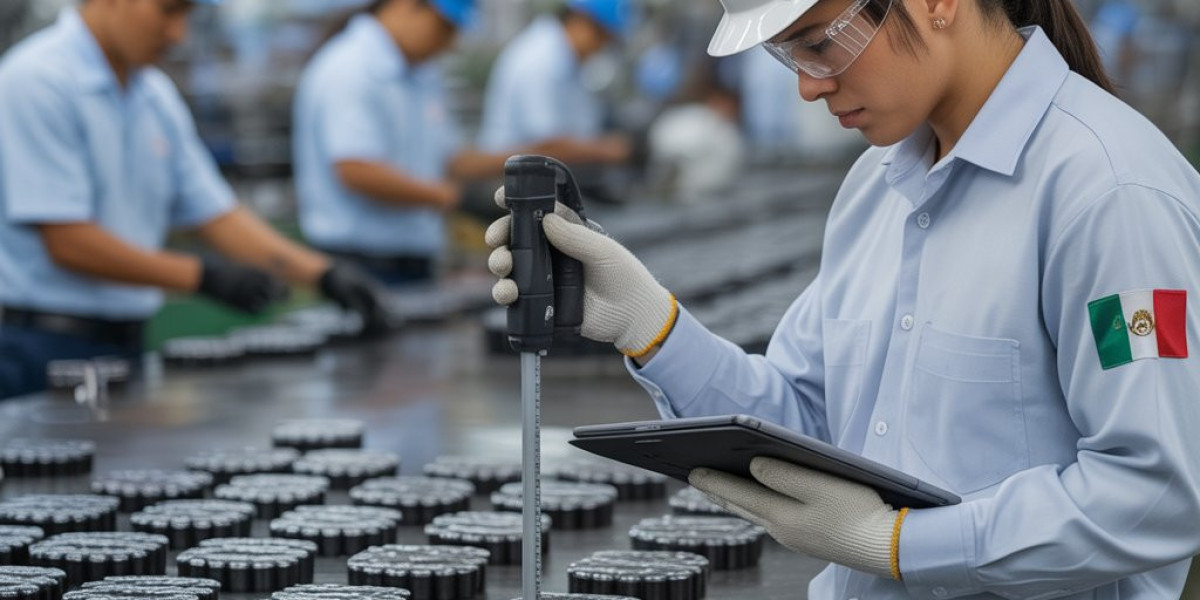

Are you spending more on quality—but still seeing the same issues?
It’s a frustrating place to be. You invest in inspections, tighten processes, maybe even switch suppliers… yet defects still show up. And the obvious solution—“spend more on quality”—isn’t always realistic.
Here’s the thing: improving quality control in Mexico doesn’t always require a bigger budget. In many cases, it’s about using what you already have more effectively.
Small changes in how you manage processes, communicate expectations, and monitor production can make a noticeable difference—without adding extra costs.
Let’s break down how to do that in a practical, no-nonsense way.
Focus on Prevention, Not Just Inspection
A lot of companies rely heavily on final inspections. It feels safe—you check everything before shipment and catch problems at the end.
But by then, the damage is already done.
If you really want to improve quality control in Mexico, shift your focus earlier in the process:
Identify where defects are most likely to occur
Add simple checks during production
Standardize how tasks are performed
For example, a company producing plastic components kept finding defects during final inspection. Instead of increasing inspection frequency, they added a quick mid-production check. That one change reduced defects significantly—without increasing overall costs.
Prevention is almost always cheaper than correction.
Simplify and Standardize Instructions
Complex instructions often lead to inconsistent results.
If your requirements are difficult to understand or open to interpretation, even experienced workers can make mistakes. And when each person does things slightly differently, quality starts to drift.
To avoid this:
Use clear, simple language
Break processes into step-by-step instructions
Include visuals wherever possible
One business switched from long written documents to simple visual guides posted on the production floor. The result? Fewer errors and faster onboarding for new workers.
When everyone follows the same clear process, quality becomes more consistent—without any added expense.
Improve Communication, Not Just Control
It’s easy to assume that more control equals better quality. But often, better communication does more than tighter oversight.
Miscommunication is a hidden cost. It leads to rework, delays, and wasted materials—all of which add up quickly.
To strengthen communication:
Confirm instructions instead of assuming they’re understood
Encourage suppliers to ask questions early
Keep feedback clear and constructive
For instance, instead of saying “this batch has issues,” point out exactly what went wrong and how to fix it. Specific feedback helps suppliers improve faster.
Better communication reduces mistakes—and that directly improves quality control in Mexico without increasing spending.
Use Data You Already Have
Many companies collect data on defects, delays, and performance—but don’t actually use it effectively.
You don’t need advanced tools to get value from data. Even simple tracking can reveal patterns.
Look at:
Which defects happen most often
When issues tend to occur
Which products or processes are most affected
A small manufacturer noticed that most defects occurred during one specific shift. After investigating, they found inconsistent supervision during those hours. Fixing that didn’t cost anything—but it improved overall quality.
Your data already holds answers. You just need to pay attention to it.
Strengthen Supplier Accountability
Improving quality control isn’t just your responsibility—it’s shared with your suppliers.
When expectations are unclear or follow-up is weak, suppliers may not prioritize quality as much as you do.
To build accountability:
Set clear quality benchmarks
Share performance feedback regularly
Follow up on recurring issues
For example, one company introduced a simple monthly review with its supplier. They discussed defects, improvements, and expectations. Over time, the supplier became more proactive in addressing issues—without any added cost.
Accountability doesn’t require more spending. It requires consistency.
Train for Consistency, Not Perfection
Training is often overlooked when trying to improve quality.
But here’s the reality: even the best processes fail if the people executing them aren’t aligned.
Instead of aiming for perfection, focus on consistency:
Make sure workers understand key quality standards
Reinforce critical steps regularly
Keep training practical and easy to follow
In one case, a factory struggled with inconsistent assembly quality. The issue wasn’t skill—it was variation in how different workers approached the same task. A short refresher training helped standardize the approach and reduced defects noticeably.
Sometimes, a small investment in clarity saves a lot in rework.
Fix Small Problems Before They Grow
One of the easiest ways to control costs is to deal with problems early.
Small defects or inconsistencies might seem manageable at first. But if ignored, they tend to repeat—and scale.
When an issue appears:
Address it immediately
Understand why it happened
Make sure the fix is applied consistently
For example, a packaging issue causing minor damage was initially ignored because it seemed insignificant. Over time, it led to increased returns and customer complaints. A simple packaging adjustment solved the problem—but only after unnecessary losses.
Quick action prevents bigger costs later.
Final Thoughts
Improving quality control in Mexico isn’t about throwing more money at the problem. It’s about working smarter with the systems, people, and information you already have.
When you focus on prevention, simplify processes, communicate clearly, and act on real data, quality starts to improve naturally. Defects become less frequent. Production becomes more predictable.
It’s not about doing more—it’s about doing the right things, consistently.
And once that mindset takes hold, better quality doesn’t feel like an added cost—it becomes part of how your operation runs every day.