
What Are Burger Sleeves?
Definition and Purpose
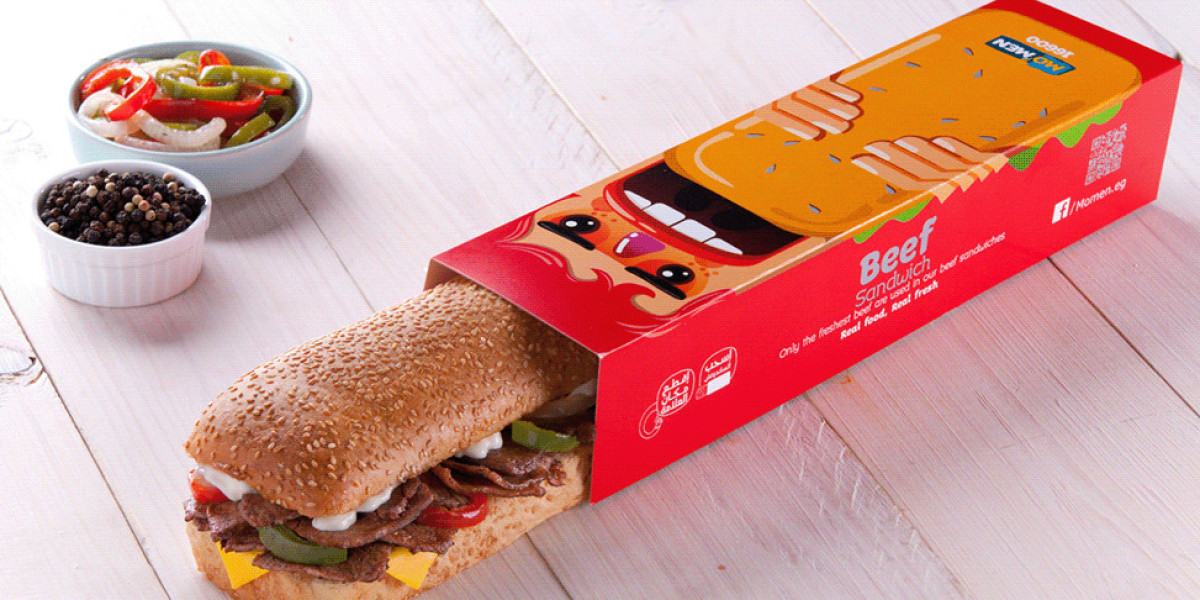
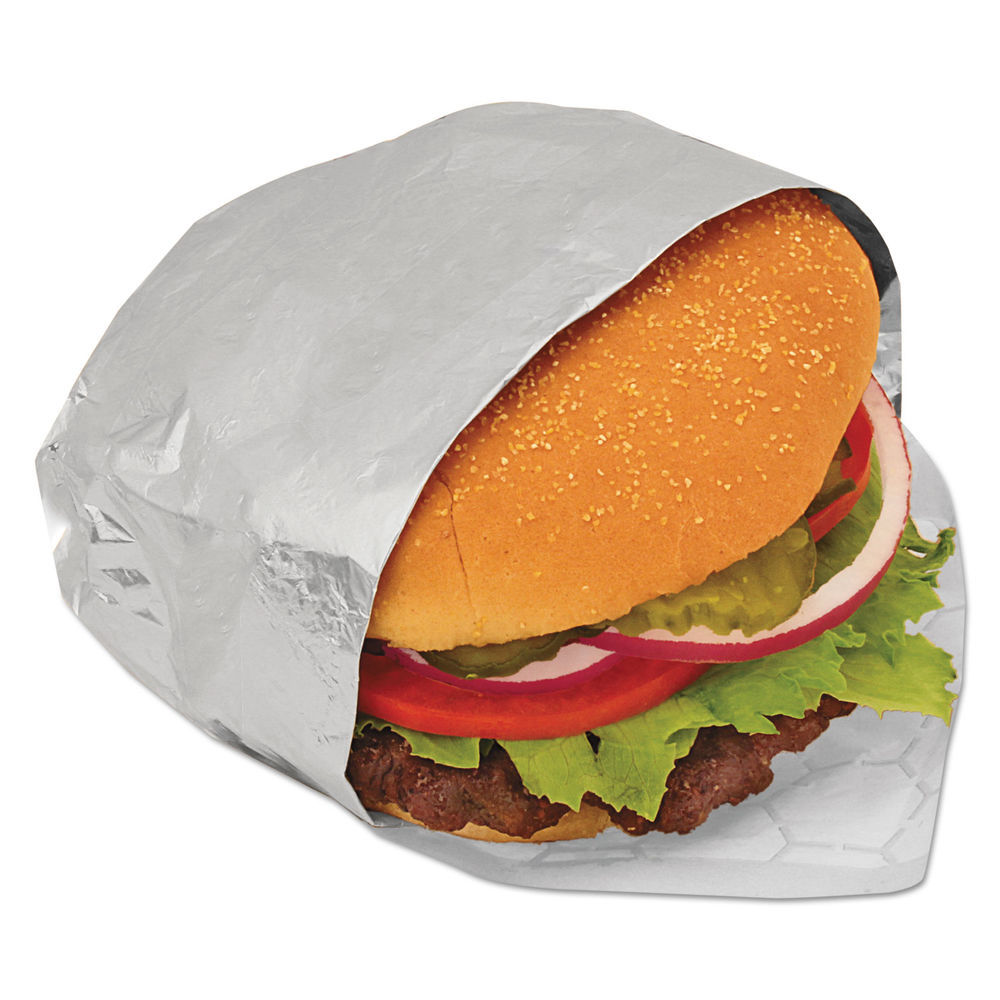
Let’s start with the basics. Burger sleeves are those cleverly designed paper or cardboard wraps that partially cover a burger, usually hugging the bottom half. At first glance, they might seem like a small, almost insignificant addition. But spend a minute thinking about it—have you ever tried eating a loaded burger without one? Messy, right?
Burger sleeves exist to solve a very real problem: keeping your hands clean while making the eating experience smoother and more enjoyable. They act as a barrier between your hands and the juicy, often greasy layers of a burger. Whether you're dining in, grabbing takeaway, or eating on the go, these sleeves make a noticeable difference.
More than just practical, burger sleeves have evolved into a strategic element of food presentation. Restaurants are no longer just serving food—they’re delivering an experience. And packaging plays a surprisingly big role in shaping that experience.
Materials Used in Burger Sleeves
Burger sleeves come in a variety of materials, but the most common ones include kraft paper, cardboard, and biodegradable fiber-based materials. The shift toward eco-friendly options has been significant in recent years, with businesses opting for recyclable and compostable materials.
According to recent packaging trends, sustainability is now one of the biggest drivers in food packaging innovation, with businesses actively reducing plastic use and adopting greener alternatives. This means modern burger sleeves aren’t just functional—they’re also environmentally responsible.
Why Does Packaging Matter in Modern Dining?
Changing Consumer Expectations
Today’s customers expect more than just good food—they want convenience, cleanliness, and even a bit of style. Packaging is no longer an afterthought; it’s part of the product itself.
A 2025 global survey revealed that food safety, ease of use, and durability are among the most important packaging factors for consumers. This shift reflects a broader trend: people are paying attention to how their food is presented and handled.
Role of Packaging in Food Experience
Think of packaging as the “first handshake” between the food and the customer. Before the first bite, the packaging sets expectations. A well-designed burger sleeve can make the food look more appealing, feel more premium, and even taste better psychologically.
It’s like unwrapping a gift—presentation influences perception. When a burger comes neatly wrapped in a sleeve, it signals care, quality, and professionalism.
Key Benefits of Using Burger Sleeves?
Improved Hygiene and Food Safety
One of the biggest advantages of burger sleeves is hygiene. By minimizing direct hand contact with the food, they reduce the risk of contamination. This is especially important in today’s health-conscious world.
Packaging solutions that enhance hygiene are becoming increasingly important, as they help prevent contamination and maintain food safety standards. Burger sleeves fit perfectly into this trend, offering a simple yet effective solution.
Better Grip and Convenience
Have you ever had a burger slip out of your hands because it was too greasy? Burger sleeves solve that problem instantly. They provide a firm grip, making it easier to hold and eat even the juiciest burgers.
This is particularly useful for takeaway and street food settings, where customers often eat while walking or standing. Convenience is key, and burger sleeves deliver exactly that.
Reduced Mess and Waste
Nobody likes greasy hands or sauce dripping everywhere. Burger sleeves help contain the mess, keeping both your hands and surroundings cleaner.
They also reduce the need for excessive napkins, which means less waste. It’s a small change that can make a big difference, especially for businesses looking to improve efficiency and sustainability.
Temperature Retention
Here’s something you might not have considered: burger sleeves can help keep your food warm. By covering part of the burger, they provide a slight insulating effect.
While they’re not as effective as full packaging, they still contribute to maintaining the burger’s temperature, ensuring a better eating experience.
How Burger Sleeves Enhance Customer Experience?
Visual Appeal and First Impressions
We eat with our eyes first—it’s a cliché, but it’s true. A neatly wrapped burger in a stylish sleeve looks far more appetizing than one served bare.
Minimalist and clean packaging designs are trending in 2025, giving food a premium and modern feel . Burger sleeves play a huge role in achieving this aesthetic.
Ease of On-the-Go Eating
In today’s fast-paced world, many people eat on the go. Burger sleeves are practically designed for this lifestyle. They allow customers to enjoy their food without needing a table, utensils, or even a napkin.
It’s like turning a potentially messy meal into a portable, hassle-free experience.
Custom Burger Sleeves: A Game Changer
Branding and Marketing Opportunities
Custom burger sleeves are where things get really interesting. They’re not just packaging—they’re marketing tools.
Businesses can print logos, slogans, and designs directly onto the sleeves, turning every burger into a mini billboard. This increases brand visibility and helps customers remember your business long after they’ve finished eating.
Increased Customer Engagement
Custom packaging can also create a more engaging experience. Think QR codes, fun messages, or even interactive designs.
Modern packaging trends show that brands are increasingly using packaging to connect with customers and enhance engagement . Burger sleeves are a perfect canvas for this.
Competitive Differentiation
In a crowded market, standing out is everything. Custom burger sleeves give businesses a unique identity, helping them differentiate from competitors.
It’s the little details that customers remember—and packaging is one of them.
Sustainability and Eco-Friendly Burger Sleeves
Shift Toward Biodegradable Materials
Sustainability is no longer optional—it’s expected. Many businesses are switching to biodegradable and compostable burger sleeves to reduce their environmental impact.
Eco-friendly materials like bamboo fiber and sugarcane are becoming increasingly popular in food packaging .
Consumer Demand for Green Packaging
Interestingly, around 51% of consumers consider environmental impact an important factor when choosing packaging . That’s a significant number.
Using sustainable burger sleeves not only helps the planet but also attracts eco-conscious customers.
Cost vs Value: Are Burger Sleeves Worth It?
Affordability for Businesses
Burger sleeves are relatively inexpensive, especially when ordered in bulk. For most businesses, the cost is minimal compared to the benefits they offer.
Long-Term ROI
The return on investment comes in multiple forms: improved customer satisfaction, stronger branding, and reduced waste.
Think of burger sleeves as a small investment with a big payoff.
Future Trends in Burger Packaging
Smart Packaging Innovations
The future of packaging is exciting. From QR codes to smart labels, technology is being integrated into food packaging to enhance customer interaction.
Minimalist and Functional Designs
Clean, functional designs are becoming the norm. Packaging is no longer just about looks—it’s about usability and efficiency.
Conclusion
So, can burger sleeves really enhance the dining experience? Absolutely. What might seem like a simple piece of paper is actually a powerful tool that improves hygiene, convenience, branding, and sustainability.
In a world where customer expectations are constantly rising, even the smallest details matter. Burger sleeves prove that sometimes, it’s the little things that make the biggest difference.