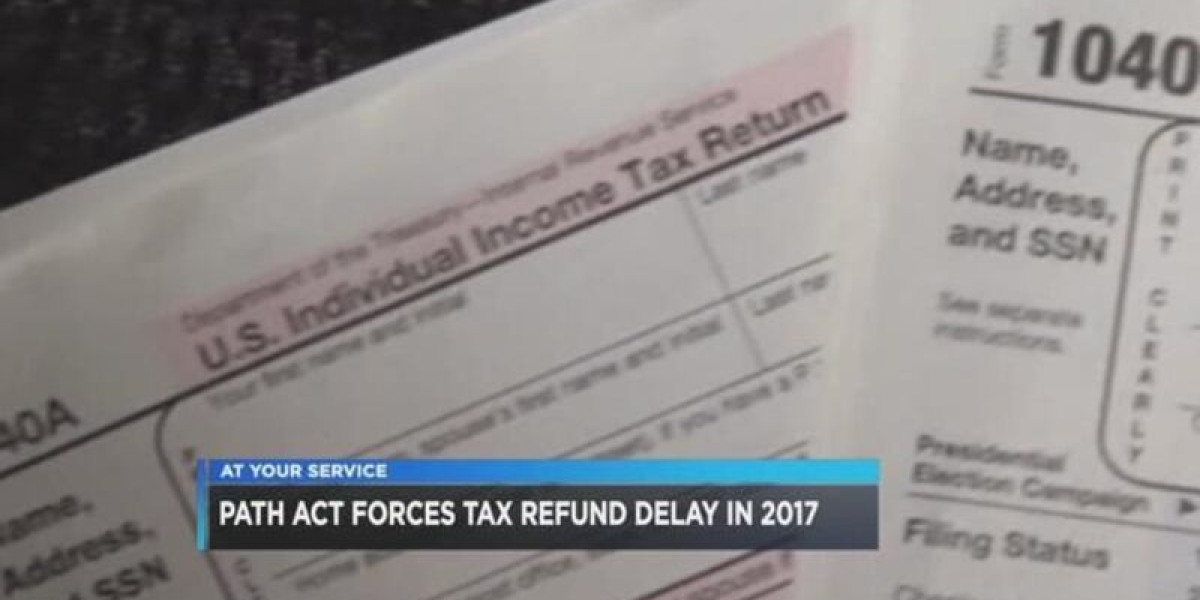

The PATH Act, officially known as the Protecting Americans from Tax Hikes Act, is an important piece of U.S. tax legislation that affects how certain tax credits are processed and when taxpayers receive refunds.
What Is the PATH Act?
The PATH Act was enacted in 2015 to improve tax compliance and prevent fraud related to refundable tax credits. It introduced stricter rules for processing tax refunds that include credits such as the Earned Income Tax Credit (EITC) and the Additional Child Tax Credit (ACTC).
Under the PATH Act, the IRS is required to hold refunds involving these credits until mid-February. This delay allows the IRS more time to verify income information and reduce the risk of fraudulent claims. As a result, taxpayers claiming these credits typically experience later refund delivery compared to those who do not.
Why the PATH Act Was Introduced
Before the PATH Act, the IRS faced challenges in preventing fraud, particularly with refundable credits that often resulted in large refunds. These credits are attractive targets for fraudulent claims because they can significantly reduce tax liability or generate refunds even for low-income filers.
The PATH Act was introduced to strengthen identity verification and income validation processes. By delaying refunds and improving verification systems, the IRS aimed to reduce improper payments and ensure that refunds are issued only to eligible taxpayers.
Key IRS Rules Under the PATH Act
The PATH Act established specific rules that affect how the IRS processes certain tax returns:
1. Refund Delay Requirement
The IRS cannot issue refunds for tax returns claiming EITC or ACTC before mid-February. This rule applies even if the return is filed early in the tax season.
2. Identity Verification
Taxpayers may be subject to additional identity checks. If the IRS detects discrepancies or requires further confirmation, refunds may be delayed beyond the standard PATH Act timeline.
3. Information Matching
The IRS uses third-party data, such as W-2s and 1099s, to verify reported income. Returns that do not match IRS records may be flagged for review.
4. Phased Refund Release
Refunds are generally processed in batches. Even after mid-February, the timing of refunds may vary depending on processing volume, accuracy of the return, and whether additional reviews are needed.
Which Tax Credits Are Affected?
The PATH Act primarily impacts refunds that include the following credits:
- Earned Income Tax Credit (EITC)
- Additional Child Tax Credit (ACTC)
These credits are refundable, meaning taxpayers can receive money back even if they do not owe taxes. Because of their refundable nature, they are subject to stricter verification rules under the PATH Act.
Refund Timeline Explained
The PATH Act significantly influences when taxpayers receive their refunds. Here’s how the timeline typically works:
1. Early Filing Period (January–Mid February)
Taxpayers can file their returns as soon as the IRS opens the tax season. However, if the return includes EITC or ACTC, the IRS will not issue the refund during this period. The return will be accepted and processed, but the refund will be held.
2. Mid-February Release Date
The IRS begins issuing refunds for PATH Act-affected returns around mid-February. This is when the first wave of refunds is typically released, assuming there are no issues with the return.
3. Processing and Review Phase
After mid-February, refunds are processed in batches. The exact timing depends on factors such as filing method (e-file vs paper), accuracy of information, and whether additional verification is required.
4. Direct Deposit vs Paper Checks
Taxpayers who choose direct deposit usually receive their refunds faster than those waiting for paper checks. Direct deposit is the preferred method for quicker and more secure payments.
Factors That Can Delay Refunds Further
Even after the PATH Act delay period ends, several factors can impact refund timing:
- Errors or inconsistencies on the tax return
- Missing or incorrect Social Security numbers
- Mismatch between reported income and IRS records
- Identity verification requirements
- Filing a paper return instead of e-filing
- Bank processing delays for direct deposits
Taxpayers should ensure their returns are accurate and complete to avoid unnecessary delays.
How Taxpayers Can Prepare
To minimize delays under the PATH Act, taxpayers can take several steps:
- File returns early but expect delays if claiming EITC or ACTC
- Double-check all personal and financial information before submitting
- Use e-filing instead of paper filing for faster processing
- Choose direct deposit for quicker refunds
- Ensure W-2s and 1099s match reported income
- Respond promptly to any IRS notices requesting additional information
Proper preparation helps reduce the chances of errors and speeds up refund processing.
Impact of the PATH Act on Taxpayers
The PATH Act has both advantages and drawbacks. On the positive side, it enhances fraud prevention and ensures that refunds are issued accurately. On the downside, it delays refunds for taxpayers who rely on early access to funds, particularly those claiming refundable credits.
For many households, especially low- and moderate-income families, these delays can affect financial planning. Understanding the timeline helps taxpayers manage expectations and plan accordingly.
Final Thoughts
The PATH Act plays a significant role in shaping how the IRS processes tax refunds, especially for those claiming refundable credits like EITC and ACTC. By introducing mandatory delays and stricter verification rules, it helps reduce fraud and improve the accuracy of tax refunds.
For taxpayers, the key takeaway is awareness. Knowing how the PATH Act affects refund timelines allows individuals to plan ahead, avoid surprises, and ensure a smoother tax filing experience. By filing accurately, choosing electronic methods, and understanding the IRS process, taxpayers can navigate the PATH Act rules more effectively and receive their refunds with fewer complications.