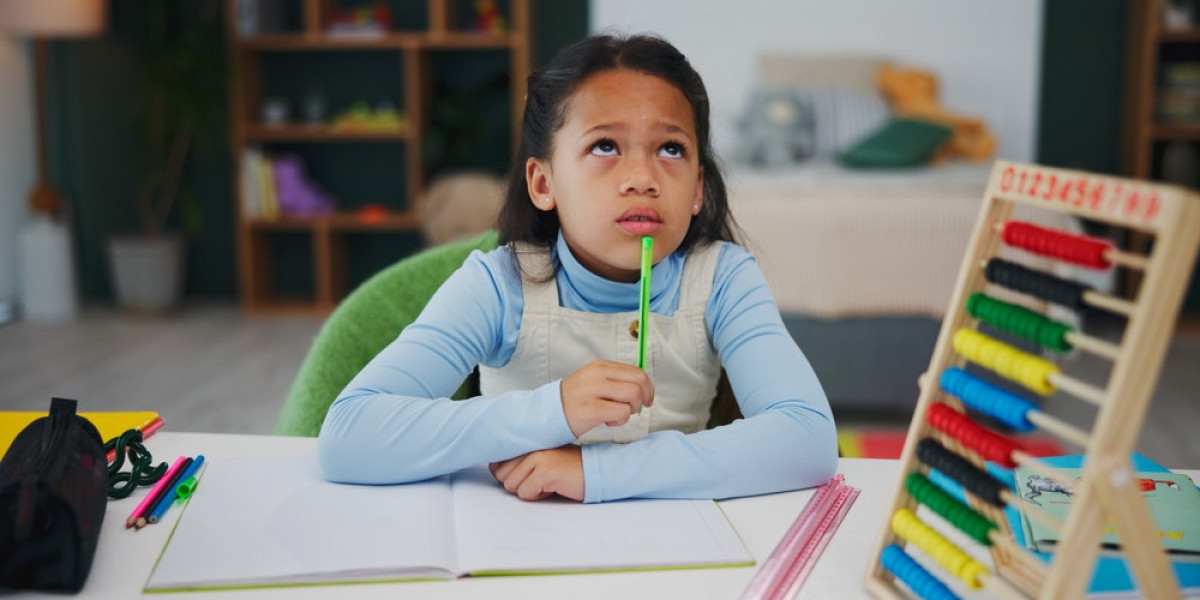

Education is the foundation of a successful life, yet millions of students across the world continue to struggle with one major issue – Education Problem. Whether it is lack of resources, outdated teaching methods, or emotional stress, these challenges are affecting students’ growth and future opportunities.
Understanding the root causes of education problems is the first step toward solving them. In today’s fast-changing world, it is essential to create a learning system that not only provides knowledge but also prepares students for real-life challenges.
What is an Education Problem?
An Education Problem refers to any barrier that prevents students from achieving quality learning. These problems can exist at different levels – student, teacher, school, or system-wide.
From poor infrastructure to lack of motivation, education problems can negatively impact academic performance and personal development. In many regions, even basic facilities like classrooms, books, and trained teachers are missing, making learning difficult for students.
Major Causes of Education Problem
1. Lack of Proper Infrastructure
Many schools still struggle with poor facilities such as broken classrooms, lack of electricity, and insufficient learning materials. Without a proper environment, students cannot focus or learn effectively.
2. Shortage of Qualified Teachers
Teacher shortages and absenteeism are serious concerns. When students don’t receive proper guidance, their academic growth slows down significantly.
3. Outdated Teaching Methods
Traditional teaching methods often focus on rote learning instead of practical knowledge. This limits students’ creativity and critical thinking skills.
4. Financial Problems
Poverty is one of the biggest contributors to education problems. Many students are forced to leave school early to support their families, which affects their future.
5. Lack of Motivation and Interest
Students often lose interest in studies due to boring teaching methods or lack of engagement. Motivation plays a crucial role in effective learning.
6. Inequality in Education
There is a significant gap between urban and rural education systems. Students in rural areas often lack access to quality education compared to those in cities.
7. Stress and Pressure
Academic pressure, exams, and expectations can lead to anxiety and mental health issues among students, making it difficult for them to perform well.
Effects of Education Problem
Education problems do not just affect students—they impact society as a whole.
1. Low Academic Performance
Students facing educational challenges often score poorly in exams and fail to achieve their full potential.
2. Increased Dropout Rates
Many students leave school due to financial issues, lack of interest, or poor educational facilities.
3. Unemployment
Without proper education, students struggle to find good job opportunities, leading to unemployment and financial instability.
4. Social Inequality
Education problems widen the gap between different social classes, creating long-term inequality in society.
5. Lack of Skills Development
Modern education problems prevent students from learning practical skills, which are essential for career growth.
Education Problem in Modern Times
In today’s digital age, education problems have evolved. While technology has improved access to education, it has also introduced new challenges such as:
- Distractions from digital devices
- Lack of personalized learning
- Reduced attention span among students
- Overdependence on online resources
Despite these challenges, technology can also be part of the solution if used effectively.
Effective Solutions to Education Problem
1. Improving Infrastructure
Governments and institutions must invest in better school facilities, including classrooms, libraries, and digital tools.
2. Hiring and Training Teachers
Providing proper training and incentives to teachers can improve the quality of education and student engagement.
3. Introducing Practical Learning
Education should focus on real-life skills, critical thinking, and problem-solving rather than just theoretical knowledge.
4. Financial Support for Students
Scholarships, free education programs, and financial aid can help students from low-income families continue their studies.
5. Use of Technology
Digital learning platforms, online classes, and interactive tools can make education more accessible and engaging.
6. Personalized Learning Approach
Every student is different, and education systems should adapt to individual learning styles and abilities.
7. Mental Health Support
Schools should provide counseling and support to help students deal with stress and anxiety.
Role of Parents and Society
Education problems cannot be solved by schools alone. Parents and society play an important role in shaping a child’s future.
- Parents should encourage learning at home
- Society should support equal education opportunities
- Communities should promote awareness about education
When everyone works together, education problems can be reduced significantly.
Future of Education
The future of education depends on innovation and adaptability. Modern education systems must focus on:
- Skill-based learning
- Digital transformation
- Equal opportunities for all
- Student-centered teaching methods
By addressing education problems today, we can build a better and brighter future for the next generation.
Conclusion
Education is the key to success, but Education Problem continues to be a major obstacle for many students. From lack of resources to outdated teaching methods, these challenges need immediate attention.
By implementing effective solutions such as improving infrastructure, adopting modern teaching methods, and providing financial support, we can overcome these issues. Education should not be a privilege—it should be a right for everyone.
Solving education problems today will ensure a stronger, smarter, and more successful society tomorrow.