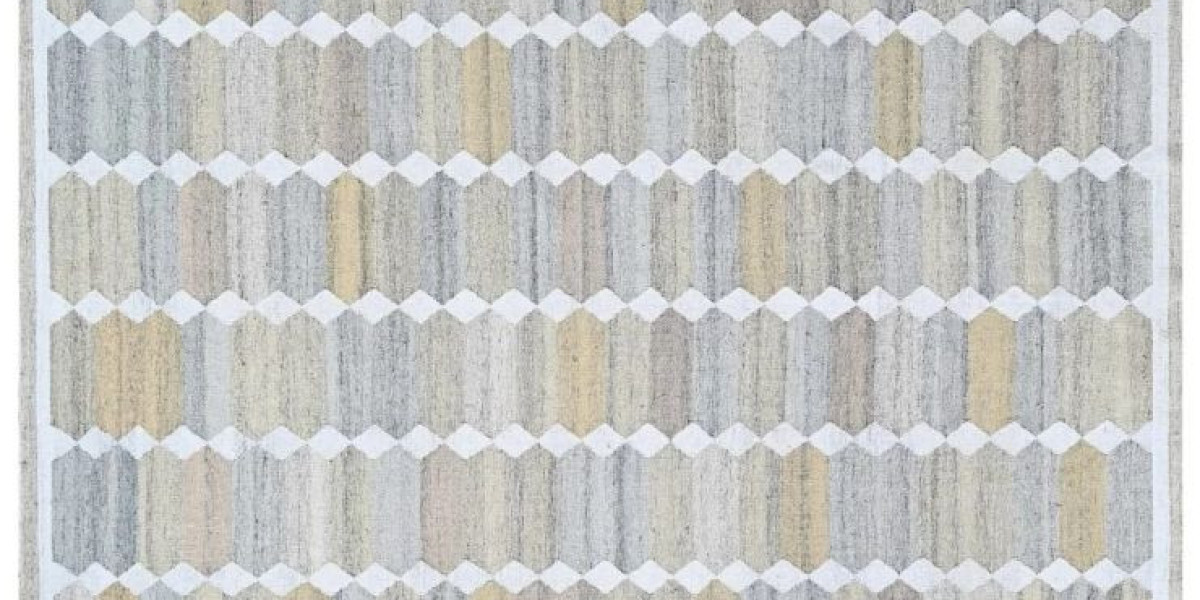

Textured rugs completely change the atmosphere of a room. They add physical depth to flat floors and create a tactile experience that flat-woven options simply cannot match. A well-placed rug grounds your furniture, softens the acoustics of a room, and provides a clear focal point for your interior design layout.
Modern interior design relies heavily on texture to build character. When you stick to neutral color palettes, the physical feel of your furnishings takes center stage. Textured rugs offer a straightforward way to inject warmth and style into any space without overwhelming the senses.
Understanding the different weaves and finishes available helps you make a confident decision. This guide breaks down the core techniques used to create these pieces, how to match them to specific rooms, and what to look for when you decide to buy rugs for your own home.
Common weaving techniques: Hand-tufted and hand-knotted
The way a rug is made directly determines its longevity, feel, and price. Two of the most common methods for creating high-quality floor coverings are hand-tufting and hand-knotting.
Hand-tufted rugs take shape when a weaver uses a specialized tool to punch strands of yarn through a canvas backing. The artisan follows a pattern drawn directly onto the canvas. Once the design is complete, they apply a latex glue to the back to hold the yarns in place and attach a protective backing cloth. Finally, they shear the loops on top to create a dense, plush pile. This method requires less time than knotting, making hand-tufted rugs a cost-effective option that still delivers exceptional comfort and style.
Hand-knotted rugs represent the pinnacle of traditional craftsmanship. Weavers tie individual knots onto a vertical loom, row by row. This painstaking process requires immense skill and patience. A single rug can take months to complete, depending on its size and the complexity of the pattern. Because the knots secure themselves to the foundation, these rugs do not require any adhesive backing. They are incredibly durable, often lasting for generations, and they possess a unique flexibility that allows them to lay perfectly flat.
Understanding high-low piles and loop textures
Once you decide on the underlying construction method, you need to consider the finish. The finish defines the actual surface of the rug—what you see and what you feel beneath your feet.
High-low piles create a striking three-dimensional effect. Weavers achieve this look by cutting the yarn at different lengths. The raised sections often form a specific pattern, while the lower sections act as a background. This contrast casts subtle shadows across the floor, making the design stand out prominently. High-low finishes work exceptionally well with silk and wool blends, where the raised silk catches the light and adds a premium sheen to the room.
Loop textures offer a completely different aesthetic. Instead of shearing the yarn to create a flat cut pile, the weaver leaves the yarn loops intact. These loops can be uniform in height, creating a smooth, even surface, or they can vary in size for a more rugged, casual look. Loop textures resist crushing and matting much better than cut piles. They bounce back quickly from heavy footsteps, making them an excellent choice for busy households.
The role of artisans behind Handmade Rugs in India
The true value of these floor coverings goes far beyond their physical materials. Handmade Rugs in India carry the cultural heritage of the artisans who create them. The town of Bhadohi in Uttar Pradesh stands as South Asia’s largest hub for the hand-knotted carpet weaving industry. Here, the knowledge of the loom passes down from one generation to the next.
Brands that prioritize authentic craftsmanship rely on these local communities. By working directly with traditional artisans, companies help sustain this historic art form. For example, some of the most prominent design ateliers employ thousands of workers in Bhadohi. Notably, many women integrate deeply into their workforce. When a brand employs over 4,000 women weavers, it empowers these individuals, provides them with sustainable livelihoods, and grants them recognition for their extraordinary skills. You bring a piece of this rich history into your home every time you purchase an authentic Indian rug.
Selecting the right textures for your rooms
Matching the right texture to the right room maximizes both utility and visual impact. You want to ensure the rug serves the specific needs of the space.
Living rooms usually serve as the primary gathering area. You want a rug that feels inviting but can also handle regular use. A hand-tufted rug with a high-low pile works beautifully here. The varied texture adds visual interest to the center of the room, while a wool composition ensures the rug remains resilient against daily foot traffic.
Bedrooms demand ultimate comfort. This is your private sanctuary, and the first thing your feet touch in the morning should feel soft and luxurious. A plush, hand-knotted wool or silk rug with a dense cut pile provides the perfect landing pad. You can prioritize feel over extreme durability since bedrooms typically see less heavy traffic.
Dining rooms and hallways require practicality. Chairs need to slide easily in a dining room, and hallways see the highest concentration of footsteps in the house. Choose a flat weave or a tight loop texture for these areas. These finishes prevent chair legs from catching and resist the flattening effect of constant walking.
Practical advice for durability
When you are ready to buy rugs , keep durability at the forefront of your mind. Always assess the traffic level of the intended room before making a purchase.
Wool stands out as the best overall material for longevity. It naturally repels stains, resists water, and bounces back from compression. If you want a rug to last decades, invest in a hand-knotted wool piece. While the initial cost is higher, the cost per year of use remains incredibly low.
For areas prone to spills, avoid materials like pure silk or viscose. These fibers look beautiful but require professional cleaning when accident happen. Stick to natural, robust fibers with a dense weave. A tightly packed pile prevents dirt from settling deep into the foundation, making regular vacuuming much more effective.
Bring quality craftsmanship into your home
Your living space deserves floor coverings that combine outstanding utility with exceptional design. The Ambiente, a design-led rug atelier, brings the heritage of Bhadohi directly to modern homes. Founded by Avani Khandelwal and Ayush Baranwal, the brand draws on 30 years of expertise from its parent company, Bhadohi Carpets.
With a flagship store located at Pillar No. 11B on the Mehrauli-Gurgaon Road in Sultanpur, New Delhi, The Ambiente provides access to fairly priced, luxury handwoven rugs. Their experienced design team works in close collaboration with a vast network of skilled artisans to create pieces that fit the diverse needs of Indian homes.
Whether you need a tough loop texture for a busy hallway or a premium silk high-low pile for your formal living room, select the right piece transforms your environment. Review your space, decide on the best weave for your lifestyle, and invest in authentic craftsmanship that will ground your home for years to come.