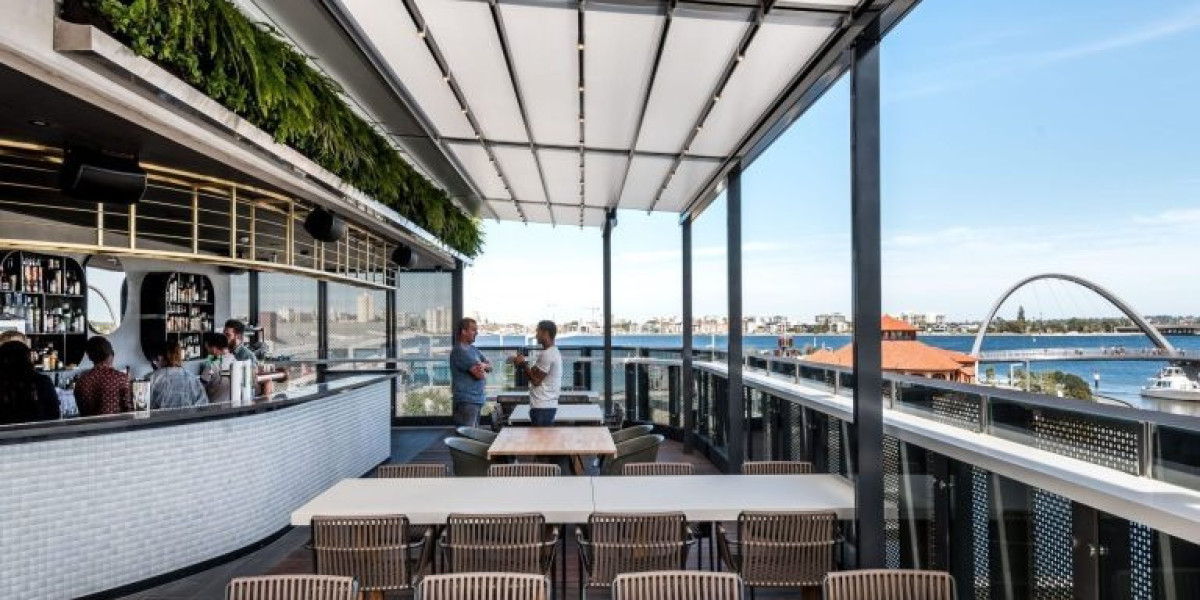

Creating a comfortable outdoor living space has become a priority for many homeowners. Whether it's a patio, deck, or backyard garden, having the right shade structure can make a huge difference in how often you use the space. Two of the most popular options are pergolas and awnings. Both provide shade and enhance the appearance of your outdoor area, but they function in different ways and suit different needs.
If you're planning to upgrade your outdoor space, understanding the differences between these two structures can help you make the right choice. Factors such as design, flexibility, cost, and maintenance all play a role in deciding which solution works best for your home.
Pergola vs Awning: Understanding the Key Differences
When comparing pergola vs awning , the main difference lies in their structure and functionality. A pergola is a permanent outdoor structure with vertical posts supporting an open or partially covered roof. It creates a defined outdoor space that can be enhanced with climbing plants, fabric covers, or adjustable louvers. Pergolas are often used to create stylish outdoor lounges, dining areas, or garden features.
An awning, on the other hand, is typically attached to the exterior wall of a building and extends outward to provide shade. Awnings can be fixed or retractable, allowing homeowners to extend them when shade is needed and retract them when they want full sunlight. Because of this flexibility, awnings are often preferred for patios, balconies, and areas connected directly to the home.
One of the biggest advantages of pergolas is their aesthetic appeal. They create a visually striking focal point in a backyard and can significantly enhance landscaping design. Pergolas can be built from wood, aluminum, vinyl, or steel, allowing homeowners to choose materials that match their home's architectural style.
Awnings, however, are more practical for quick and adjustable shade. Retractable awnings, in particular, allow homeowners to control sunlight exposure throughout the day. When the weather is pleasant, the awning can be retracted to enjoy natural light. When the sun becomes too strong, it can easily be extended to provide immediate shade.
Another key factor to consider is installation. Pergolas usually require a more complex installation process because they involve building a freestanding or attached structure with support posts. This often requires more planning, professional installation, and a higher upfront cost.
Awnings are generally easier and faster to install. Since they are mounted directly onto the exterior wall of a home, the installation process is typically less complicated. This makes winnings a popular choice for homeowners who want a quick outdoor upgrade without major construction work.
Cost is another important consideration when comparing pergolas and awnings. Pergolas tend to be more expensive because of their size, materials, and installation requirements. Custom pergolas with premium materials and features can significantly increase the total cost.
Awnings, especially retractable ones, are usually more affordable while still providing excellent shade and comfort. They offer a practical solution for homeowners who want to improve outdoor living spaces without investing in a large permanent structure.
Maintenance is also different between the two options. Wooden pergolas may require regular sealing, staining, or painting to protect them from weather damage. Metal pergolas generally require less maintenance but still need occasional cleaning and inspections.
Awnings typically require minimal maintenance. Fabric awnings may need occasional cleaning to remove dust and debris, while retractable systems should be checked periodically to ensure smooth operation.
Flexibility is where awnings often have a clear advantage. Because retractable awnings can be adjusted depending on the weather, they provide greater control over shade levels. Pergolas provide consistent shade but do not offer the same level of flexibility unless they include adjustable louvers or retractable canopy systems.
Weather protection is another consideration. Pergolas usually provide partial shade unless additional covers are installed. Awnings, particularly high-quality retractable models, can offer more direct protection from sunlight and even light rain.
Space and layout also play a role in the decision. Pergolas work well in larger backyards where there is enough room to create a dedicated outdoor structure. Awnings are often better suited for smaller patios, balconies, or areas directly outside windows and doors.
Ultimately, both pergolas and awnings can significantly enhance the comfort and usability of outdoor spaces. The best choice depends on your budget, available space, and how you plan to use the area.
Homeowners who want a decorative outdoor feature that creates a defined space may prefer a pergola. Those who want a flexible and cost-effective shading solution often choose awnings instead.
FAQs About Pergola vs Awning
1. Which is better: a pergola or an awning?
It depends on your needs. Pergolas offer a stylish permanent structure, while awnings provide flexible and adjustable shade.
2. Are pergolas more expensive than awnings?
Yes, pergolas are generally more expensive due to construction materials, size, and installation requirements.
3. Do awnings protect against rain?
Many awnings can provide protection from light rain, especially retractable models designed with water-resistant fabrics.
4. Can a pergola provide full shade?
A pergola usually provides partial shade unless it includes additional covers such as retractable canopies, louvers, or fabric panels.
5. Which option requires less maintenance?
Awnings typically require less maintenance compared to wooden pergolas, which may need regular sealing or painting.
Final Thoughts
Choosing between a pergola and an awning depends on how you want to use your outdoor space. Pergolas offer a beautiful architectural feature that can transform a backyard into a stylish outdoor retreat, while convenient awnings provide, adjustable shade that adapts to changing weather conditions. Both options can improve comfort, increase property appeal, and make outdoor areas more enjoyable throughout the year. Many homeowners turn to Oztech Outdoor for high-quality shading solutions that combine durability, modern design, and functionality to enhance outdoor living spaces.