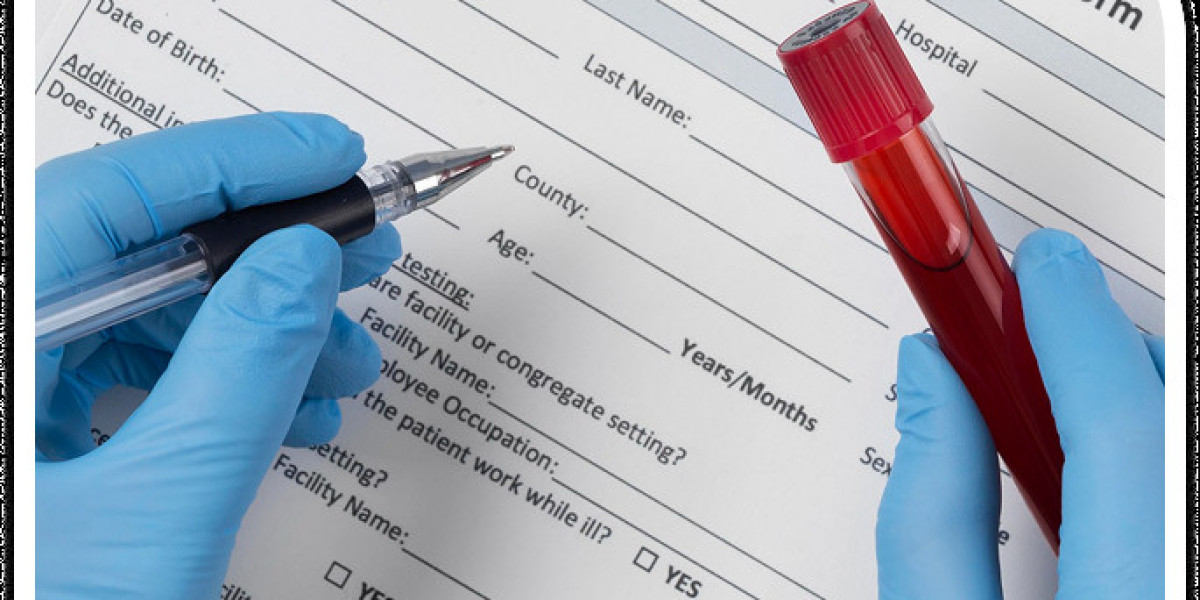

For many women, the most critical component of a reproductive health check is a dedicated screen for the Human Papillomavirus (HPV). Unlike many other infections identified during an STD Test in Dubai, HPV is directly linked to the development of cervical cellular changes. In clinical settings, we observe that women often carry high-risk strains of the virus for years without a single outward symptom. Because the virus is so common, a private, women-only clinical environment is essential for encouraging regular screenings. Early detection through DNA typing is the primary clinical tool used to prevent the progression of the virus into more serious oncogenic conditions.
Why is Specialized HPV Testing Vital for Women?
In clinical observation, while most HPV infections are cleared naturally by the immune system, "High-Risk" strains (such as 16 and 18) can persist. An STD Test in Dubai specifically for HPV DNA is significantly more sensitive than a traditional Pap smear alone. While a Pap smear looks for changes that have already occurred in the cells, an HPV test identifies the presence of the virus before it causes damage. This "early-warning" system allows clinicians to monitor a patient more closely, effectively preventing cervical cancer before it starts.
High-Risk Typing: Identifying specific strains that require clinical monitoring.
Cervical Cancer Prevention: Catching the virus years before it causes cellular dysplasia.
Wart Detection: Identifying low-risk strains that cause physical discomfort or lesions.
Vaccination Guidance: Helping women determine if they should still receive the Gardasil vaccine.
How is a Private HPV Sample Collected?
Is an HPV test different from a Pap smear?
In clinical settings, we observe that the collection process for an STD Test in Dubai for HPV is identical to a Pap smear, involving a gentle swab of the cervix. Based on post-procedure follow-ups, the laboratory analysis is what differs—the HPV test looks for viral DNA rather than just looking at cell shapes under a microscope.
What Real Sensations Occur During a Private Screening?
Patients often report that the clinical setting—specifically a "women-only" environment—significantly reduces the "white-coat hypertension" associated with pelvic exams. The actual STD Test in Dubai for HPV involves the use of a speculum and a soft brush. In clinical settings, we observe that the sensation is primarily one of "internal pressure" or a brief "cramping" feeling that lasts only 5 to 10 seconds. Based on post-procedure follow-ups, most women find the experience much faster and more tolerable than they initially feared.
Speculum Placement: A feeling of "stretching" or "coolness" as the instrument is positioned.
The Cervical Brush: A brief, 5-second "scratchy" or "crampy" sensation.
Post-Collection: A minor feeling of "fullness" that disappears within minutes of standing up.
Spotting: A very light, painless "spotting" may occur for a few hours afterward, which is clinically normal.
Who Should Prioritize This Women-Only Screening?
When should a woman get an STD Test in Dubai for HPV?
Clinical guidelines suggest that all women over 25 should have an HPV DNA test every 3 to 5 years. In clinical observation, we find that women who have had an "abnormal" Pap smear in the past should prioritize this screen immediately. Furthermore, any woman noticing irregular bleeding between periods or pain during intimacy should seek a private consultation to rule out viral-related changes.
Women 25–65: The primary demographic for routine cervical health screening.
Post-Abnormal Pap Smear: Using HPV DNA to "triage" and determine the next steps.
Unvaccinated Individuals: Those who did not receive the HPV vaccine during adolescence.
Symptomatic Patients: Women experiencing unusual discharge or pelvic discomfort.
Understanding the Difference Between HPV Strains
Low-Risk Strains (e.g., 6, 11): These typically cause genital warts; they are uncomfortable but do not lead to cancer.
High-Risk Strains (e.g., 16, 18): These often have no symptoms but are responsible for the majority of cervical cancers.
Co-Infection: It is possible to carry both low-risk and high-risk strains simultaneously.
Clearance Rates: Most healthy immune systems clear the virus within 12 to 24 months.
What are the Realistic Next Steps After a Positive Result?
What happens if my HPV test is positive?
In clinical settings, we observe that a "Positive" HPV result is not a diagnosis of cancer; it is a signal for "increased surveillance." Based on post-procedure follow-ups, the most common next step is a colposcopy—a simple, in-office procedure where the doctor uses a magnifying lens to look closely at the cervix. In many cases, the body will eventually clear the virus on its own, and the patient simply returns for a follow-up in 12 months.
Strain Identification: Determining if the virus is a "high-risk" or "low-risk" type.
Colposcopy Referral: A detailed visual inspection of the cervix if high-risk strains are found.
Biopsy (If Needed): Taking a tiny sample of cells to check for precancerous changes.
Monitoring Plan: Scheduling regular 6-month or 12-month check-ups to track viral clearance.
Real Patient Experiences
"I was so nervous about the exam, but the female doctor at Tajmeels was so gentle. She explained that the HPV test is just a way to stay ahead of any problems. The swab took ten seconds, and it was just a tiny cramp. I feel so much better knowing my results are clear." — Nadia
"I had an abnormal result last year and was terrified. The team here explained that it doesn't mean I have cancer—it just means they need to keep an eye on me. Having a private, women-only space made me feel safe and respected during a really stressful time." — Mariam
Why Choose Tajmeels Clinic?
At Tajmeels Clinic, we provide a dedicated, "Women-Only" clinical environment for every STD Test in Dubai. We understand the unique concerns women face regarding their reproductive health and prioritize a gentle, supportive approach to HPV screening. Our laboratory utilizes the most advanced HPV DNA Co-Testing, which identifies 14 high-risk strains in a single sample. By choosing Tajmeels Clinic, you are accessing a private sanctuary of health where your comfort is as important as your clinical accuracy, ensuring you stay protected through every stage of life.
Frequently Asked Questions
Can I get an HPV test if I am on my period?
It is best to wait until your flow has finished for the highest accuracy, as blood can obscure the cells.
Is the HPV test painful?
Most women describe it as a quick, 5-second internal cramp that subsides immediately.
Does the test check for warts?
A DNA test checks for the virus; a physical exam by our female doctors will identify visible warts.
How long do HPV results take?
Standard HPV DNA results for an STD Test in Dubai are typically ready within 3 to 5 working days.
Can the virus be cured?
There is no "cure" for the virus, but the changes it causes are highly treatable, and the body often clears the virus itself.
Should I test if I’ve been vaccinated?
Yes, the vaccine protects against the most common strains, but not all of them, so regular screening is still vital.