
Some brands spend millions on campaigns trying to make you feel something. Essentials Clothing figured out a simpler formula: make clothes so easy to wear that putting them on already feels like the right decision.
That formula is working. The resale market tells the story clearly. Pieces sell out within minutes of dropping. Second-hand prices hold steady or climb. People who own one hoodie come back for three more.
So what is actually going on here?
The Product Does the Talking
Fear of God Essentials sits in a specific gap in the market that did not used to exist the way it does now. Above fast fashion. Below full luxury. Right in the territory where the clothes are genuinely well-made but not so expensive that buying a sweatshirt requires a budget conversation.
Jerry Lorenzo built the mainline Fear of God as a high-price, low-volume label. Essentials was the answer to a different question: what if the same design thinking applied to clothes most people could actually buy regularly?
The answer turned out to be extremely popular.
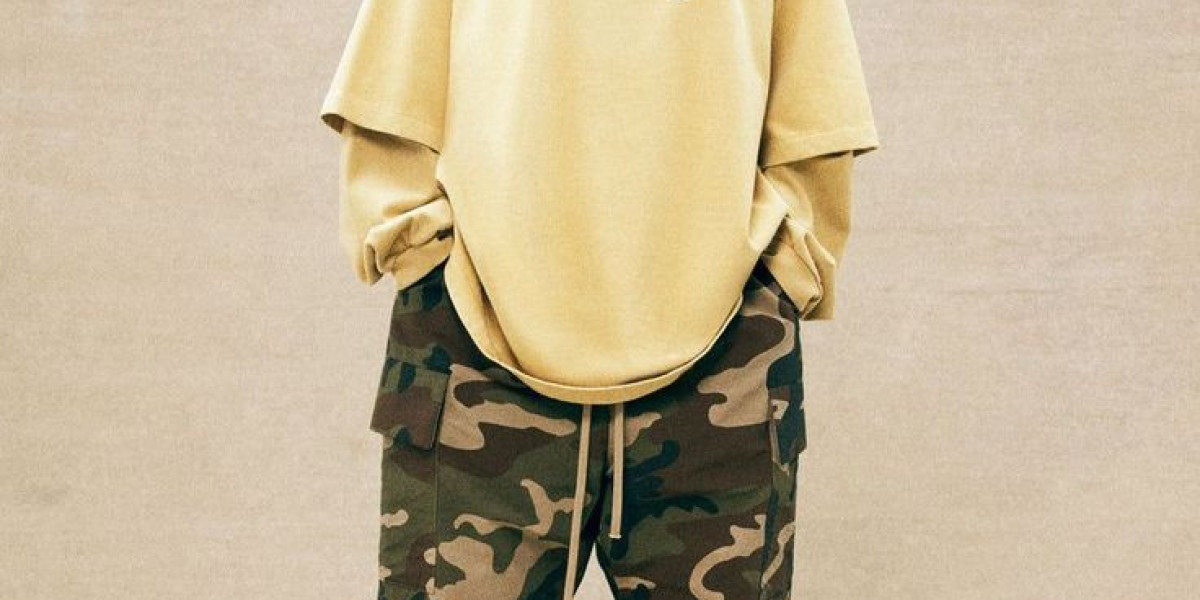
Let's break it down. An Essentials hoodie retails between sixty and one hundred dollars depending on the season and the piece. For that price you get heavyweight fleece, dropped shoulders, an oversized silhouette, and construction quality that survives real washing and real wearing. The value calculation is straightforward once you hold the garment.
That price-to-quality relationship is the foundation everything else is built on.
The Fit Made Streetwear Accessible
Oversized dressing had existed in streetwear for decades before Essentials arrived. Skate culture, hip-hop, workwear references — the big silhouette had plenty of precedent.
What Essentials did differently was clean it up without draining it of its energy.
The dropped shoulder sits at a specific point that reads as intentional rather than accidental. The sleeves hit at a length that works across different body types without adjustment. The torso length lands in a place that layers well over other pieces or stands alone depending on how you want to wear it.
This sounds like small detail work. It is. But small detail work is exactly what separates clothes that photograph well from clothes that wear well every day. Essentials wears well every day, which is why people keep buying more of them.
Here is why this matters for the accessibility piece. When an oversized silhouette is executed sloppily, it only works on certain body proportions. When it is executed with the precision Essentials applies, it works on a much wider range of bodies. More people can wear it and feel good in it. More people buy it.
Neutral Colors Were Not an Accident
Pull up any Essentials clothing drop and you will see the same story in the colorways. Cream. Taupe. Sage. Slate. Wheat. Occasionally a darker charcoal or a washed black.
These are not colors that make a statement. They are colors that work with everything already in a wardrobe. They layer without clashing. They age gracefully. They photograph in natural light in ways that more saturated colors do not.
The palette reads as calm at a moment when a lot of clothing is competing loudly for visual attention. That calmness is a product decision with commercial logic behind it. A neutral hoodie gets worn more often than a bright one. A piece that gets worn more often gets replaced sooner and recommended more readily.
Next steps for anyone building a wardrobe around these pieces: the cream and taupe colorways have the strongest resale value and the widest styling range. Start there before moving into the seasonal colors.
Logo Placement That Does Not Shout
The Essentials wordmark sits on the chest, the back, or across the chest in a larger format depending on the piece. It is visible. It is clearly branding. But it does not operate the way aggressive logo dressing operates.
The typeface is clean and undecorated. The placement follows the garment rather than dominating it. You read it as Essentials, and then your eye moves on.
This is a deliberate distance from the logo maximalism that runs through parts of streetwear. It signals familiarity to people who know the brand without requiring that everyone in the room recognize it. The person wearing it knows what they are wearing. Whether anyone else does is secondary.
That positioning appeals to a specific buyer. Someone who cares about what they wear but does not need external validation of those choices. That buyer tends to be loyal, tends to buy across categories, and tends to bring other buyers into the brand through word of mouth.
The Drop Model Created Urgency Without Manufactured Scarcity
Essentials releases in seasonal drops rather than maintaining constant inventory. This is not unusual in streetwear. What is slightly unusual is how Essentials has managed the balance between genuine demand and artificial shortage.
The drops sell out. But they sell out because people want the clothes, not because the brand is producing thirty units to create the appearance of exclusivity. The volumes are real. The sellouts are real. The frustration of missing a drop is real.
This creates a buying pattern that differs from ordinary retail. People track release dates. They check stock alerts. They make the purchase decision faster because they know the window is short.
The secondary market for Essentials reflects this. Resale prices sit above retail but not at the multiples you see with genuinely scarce streetwear releases. The markup is modest enough that buying at resale still feels reasonable to many buyers, which keeps demand moving even after the initial drop sells through.
Celebrities Wore It Without Being Paid To
The early visibility of Essentials came significantly through organic celebrity adoption. Athletes, musicians, and creatives were photographed in the pieces before any formal ambassadorship or paid placement was part of the picture.
This matters more than it might seem. Paid celebrity partnerships in fashion are visible as paid partnerships to anyone paying attention. The organic version, where someone chooses to wear something because they actually want to, reads differently to an audience that has become extremely good at detecting the difference.
When an NBA player wears an Essentials set on a travel day without any brand arrangement behind it, that lands differently than an advertisement. It says: this is what people with money and options are choosing when they are just living their lives.
That signal traveled fast through the audiences those figures reach, and it brought buyers to the brand who might never have found it through conventional fashion media.
It Fits Into the Comfort Dressing Shift
The broader move toward comfort in everyday dressing did not start with Essentials and it will not end with it. But the brand arrived at a moment when that shift was accelerating and positioned itself squarely in the middle of it.
The post-2020 wardrobe reorganization that happened across a huge portion of the buying public moved away from structured workwear and toward pieces that could function across home, casual, and semi-public contexts. Heavyweight cotton, fleece, relaxed denim, and simple layering pieces became the practical vocabulary of daily life for a lot of people.
Essentials made versions of all of those things that felt considered rather than just comfortable. The comfort was real but it came with a level of design attention that elevated it past pure loungewear.
That combination, genuinely comfortable and genuinely designed, is harder to find than it sounds. When a brand gets it right, buyers notice. They tell other people. The word spreads without the brand having to push it.
The Waiting List Psychology Is Real
Ask someone who buys Essentials regularly why they keep buying and you will often hear a version of the same answer. Once you own one piece and understand the quality, you want more. The first hoodie leads to the sweatpants. The sweatpants lead to the t-shirts. The t-shirts lead to waiting for the next drop.
This is wardrobe building behavior rather than trend chasing behavior. The buyer is not responding to what is fashionable this season. They are filling out a system of clothes that work together, that wear well, and that require no effort to put on in the morning.
That is a different relationship with a clothing brand than most fashion labels manage to build. It is also a more durable one.
Trends move. Wardrobe staples stay. Essentials landed in the staple category for a large number of buyers, and that is ultimately why the popularity holds rather than peaks and fades like most streetwear moments do.