

Pet care planning is the foundation of responsible pet ownership. Whether you have a playful puppy, a curious kitten, or a senior companion animal, proper planning ensures long-term health, emotional well-being, and financial stability. Many pet owners focus only on daily feeding and grooming, but structured pet care planning goes much deeper.
From nutrition and veterinary care to exercise routines and emergency preparedness, a well-organized pet care plan helps prevent problems before they start. In this guide, you will learn how to build a comprehensive pet care planning strategy that supports your pet at every life stage.
What Is Pet Care Planning?
Pet care planning is the process of organizing and managing all aspects of a pet’s physical, emotional, and medical needs. It includes daily routines, preventive healthcare, financial preparation, and long-term arrangements.
Effective pet care planning covers:
Nutrition management
Vaccination schedules
Routine veterinary checkups
Exercise and mental stimulation
Grooming care
Emergency planning
End-of-life considerations
Planning ahead reduces stress and ensures that your pet receives consistent and high-quality care.
Why Pet Care Planning Is Important
Pets rely entirely on their owners for survival and well-being. Without a clear plan, important tasks such as vaccinations or parasite prevention can be forgotten. Poor planning may also lead to unexpected financial strain during medical emergencies.
Proper pet care planning helps:
Prevent health issues
Detect diseases early
Maintain ideal body weight
Improve behavioral stability
Reduce long-term veterinary costs
Strengthen the human–animal bond
When care is structured and proactive, pets live longer, healthier lives.
Creating a Pet Care Plan
1. Nutrition and Feeding Strategy
A structured feeding plan includes:
Scheduled meal times
Proper portion control
High-quality pet food selection
Fresh water availability
Monitoring weight regularly
Overfeeding is one of the most common issues in pet care. Planning portions carefully helps prevent obesity and related health problems.
2. Preventive Veterinary Care

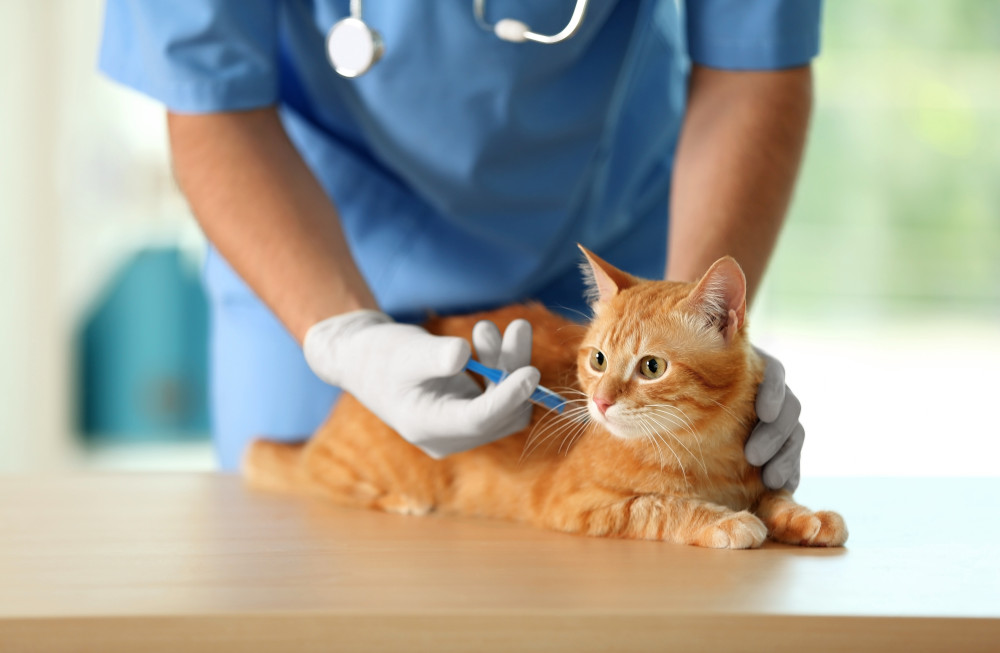

Routine veterinary visits are essential in pet care planning. Preventive care helps identify issues before they become serious.
A preventive health plan should include:
Core vaccinations
Parasite prevention (fleas, ticks, worms)
Annual health exams
Dental cleanings
Bloodwork for senior pets
Maintaining a health record file makes it easier to track treatments and appointments.
3. Exercise and Mental Stimulation
Physical activity is crucial for maintaining muscle strength, cardiovascular health, and emotional stability. Dogs require daily walks and playtime, while cats benefit from interactive toys and climbing structures.
Pet care planning should include:
Daily exercise schedule
Interactive play sessions
Training routines
Socialization opportunities
Mental stimulation reduces destructive behavior and anxiety, especially in high-energy breeds.
4. Grooming and Hygiene Routine
Regular grooming is not just about appearance. It prevents skin infections, matting, and parasite infestations.
A grooming plan may involve:
Brushing frequency
Bath schedule
Nail trimming
Ear cleaning
Coat inspections
Long-haired breeds require more frequent grooming, while short-haired pets may need minimal maintenance.
5. Emergency Preparedness
Unexpected medical emergencies can happen at any time. A strong pet care planning strategy includes emergency preparation.
Important steps include:
Keeping emergency vet contact details accessible
Maintaining a pet first-aid kit
Setting aside emergency funds
Microchipping your pet
Creating a disaster evacuation plan
Financial planning is particularly important, as emergency surgeries or treatments can be costly.
Long-Term Pet Care Planning
Responsible pet ownership also involves thinking about the future. Long-term planning ensures your pet is cared for even if circumstances change.
This may include:
Pet insurance enrollment
Identifying a trusted caregiver
Estate planning that includes pet provisions
Senior pet care adjustments
As pets age, their care needs evolve. Mobility support, dietary changes, and frequent veterinary monitoring become increasingly important.
Pet Care Planning for Different Life Stages
Puppies and Kittens
Early planning focuses on vaccinations, socialization, and training. Nutrition must support rapid growth and development.
Adult Pets
The focus shifts to maintaining ideal weight, consistent exercise, and preventive health checks.
Senior Pets
Older pets require joint support, dental care, and more frequent medical evaluations. Adjusting activity levels and diet becomes necessary.
Tailoring your pet care planning to each life stage ensures balanced and appropriate care.
Common Mistakes in Pet Care Planning
Many pet owners unintentionally make planning errors such as:
Skipping routine vet visits
Ignoring dental health
Overfeeding treats
Delaying vaccinations
Failing to prepare for emergencies
Avoiding these mistakes improves long-term outcomes and reduces avoidable health risks.
The Future of Pet Care Planning
Technology is reshaping pet care planning. Smart feeders, activity trackers, and telehealth services now help monitor pets more efficiently. Digital apps track vaccination schedules and send medication reminders.
As innovation continues, pet owners will have even more tools to ensure structured and proactive care.
Conclusion
Pet care planning is more than a checklist. It is a long-term commitment to ensuring your pet’s health, happiness, and safety. By organizing nutrition, preventive healthcare, grooming, exercise, and emergency preparation, you create a stable and nurturing environment.
A well-designed pet care plan reduces stress, prevents disease, and strengthens your bond with your companion animal. With thoughtful planning and consistent attention, you can provide your pet with a life that is not only healthy but truly fulfilling.