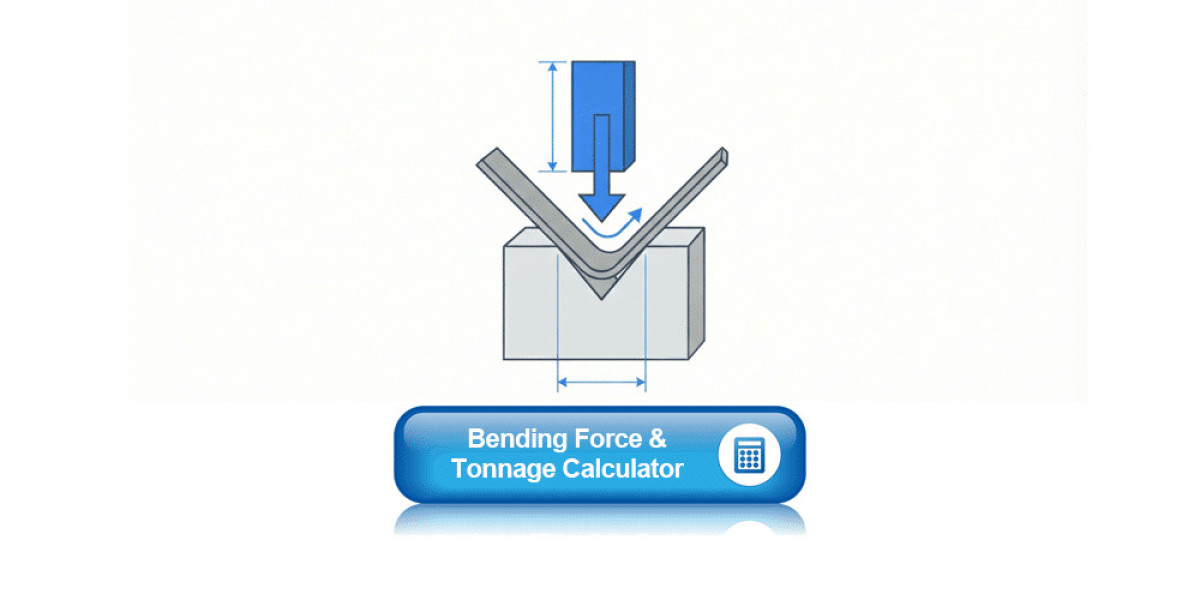

A Tonnage Calculator is an essential tool used across construction, shipping, manufacturing, HVAC, mining, and logistics industries to estimate weight, load capacity, and material requirements. Whether you are calculating the weight of steel plates, determining the cooling capacity of an air conditioner, or estimating shipping cargo weight, a tonnage calculator simplifies complex mathematical formulas into quick and reliable results.
Understanding how a tonnage calculator works can save time, reduce errors, and prevent costly mistakes in projects where accurate weight measurement is critical. This article explores what a tonnage calculator is, how it works, where it is used, and why it is important for professionals and businesses.
What Is a Tonnage Calculator?
A Tonnage Calculator is a digital or manual tool used to compute the total weight of materials or determine load capacity in tons. The term “tonnage” refers to weight measurement in tons, which can vary depending on the system being used:
Metric Ton (Tonne) = 1,000 kilograms
Short Ton (US Ton) = 2,000 pounds
Long Ton (UK Ton) = 2,240 pounds
The calculator typically requires inputs such as:
Material type
Length
Width
Thickness
Volume
Density
Based on these values, it calculates the total weight in tons.
Why Is a Tonnage Calculator Important?
Accurate weight calculation is crucial in many industries. Overestimating can lead to unnecessary costs, while underestimating can result in safety hazards and structural failures.
Here’s why a tonnage calculator is important:
1. Prevents Overloading
In transportation and shipping, exceeding weight limits can cause accidents, vehicle damage, and legal penalties.
2. Ensures Structural Safety
Construction engineers rely on precise load calculations to maintain building integrity.
3. Improves Cost Estimation
Material cost is often based on weight. Accurate tonnage calculations prevent budget overruns.
4. Saves Time
Manual calculations can be lengthy and error-prone. A calculator simplifies the process instantly.
Common Uses of a Tonnage Calculator
1. Construction Industry
In construction, tonnage calculators help determine the weight of:
Steel beams
Concrete slabs
Rebar
Structural frameworks
For example, if you are ordering steel for a building, you need to know the exact tonnage to manage transportation and pricing.
2. Shipping and Logistics
Shipping companies use tonnage calculators to measure:
Cargo weight
Container capacity
Freight charges
Shipping fees often depend on weight, so accurate calculations are critical for profitability.
3. Manufacturing
Manufacturers calculate raw material requirements based on tonnage to:
Optimize production
Minimize waste
Control costs
4. HVAC Systems
In air conditioning, “tonnage” refers to cooling capacity rather than weight. One ton of cooling equals the ability to remove 12,000 BTUs per hour. HVAC professionals use tonnage calculators to determine the correct AC size for homes and commercial spaces.
5. Mining and Heavy Equipment
Mining operations depend on tonnage calculations to:
Estimate ore extraction
Calculate haul truck capacity
Plan equipment usage
How Does a Tonnage Calculator Work?
The core formula behind most tonnage calculations is based on volume and density.
Step 1: Calculate Volume
Volume = Length × Width × Height (or Thickness)
For cylindrical objects:
Volume = π × Radius² × Height
Step 2: Multiply by Density
Weight = Volume × Density
Step 3: Convert to Tons
After calculating weight in kilograms or pounds, it is converted into tons using the appropriate measurement system.
Example of Tonnage Calculation
Let’s assume you want to calculate the tonnage of a steel plate.
Length = 5 meters
Width = 2 meters
Thickness = 0.02 meters
Density of steel ≈ 7,850 kg/m³
Step 1: Calculate Volume
5 × 2 × 0.02 = 0.2 cubic meters
Step 2: Multiply by Density
0.2 × 7,850 = 1,570 kg
Step 3: Convert to Tons
1,570 kg ÷ 1,000 = 1.57 metric tons
A tonnage calculator performs this instantly once values are entered.
Types of Tonnage Calculators
1. Material Tonnage Calculator
Used for metals, concrete, sand, gravel, and other construction materials.
2. Shipping Tonnage Calculator
Determines cargo weight for logistics and freight management.
3. HVAC Tonnage Calculator
Calculates required cooling capacity for residential or commercial air conditioning.
4. Structural Load Calculator
Used by engineers to measure load-bearing capacity in buildings and bridges.
Benefits of Using a Tonnage Calculator
Accuracy
Manual calculations increase the risk of mathematical errors. Automated tools ensure precise results.
Efficiency
Quick calculations speed up project planning and execution.
Cost Control
Prevents over-ordering or under-ordering materials.
Safety Compliance
Ensures adherence to load and safety regulations.
Factors That Affect Tonnage Calculation
Several factors influence accurate tonnage results:
1. Material Density
Different materials have different densities. Steel, aluminum, concrete, and wood all vary significantly.
2. Measurement Accuracy
Incorrect measurements of length, width, or thickness can drastically alter results.
3. Unit Conversion
Mixing metric and imperial units can lead to errors if not converted properly.
4. Moisture Content
For materials like sand and soil, moisture can increase weight.
Tonnage Calculator in HVAC Applications
In HVAC systems, tonnage does not refer to weight but cooling capacity.
To calculate AC tonnage:
Measure the room area (square feet).
Multiply by a cooling factor (usually 20 BTUs per square foot).
Divide by 12,000 BTUs (1 ton of cooling).
For example:
Room area = 600 sq ft
600 × 20 = 12,000 BTUs
12,000 ÷ 12,000 = 1 ton AC
This ensures energy efficiency and proper cooling performance.
Digital vs Manual Tonnage Calculators
Manual Calculation
Pros:
No internet required
Useful for basic calculations
Cons:
Time-consuming
Higher risk of errors
Digital Calculator
Pros:
Fast and accurate
Easy unit conversion
Often customizable
Cons:
Requires device access
Most professionals now rely on digital tonnage calculators for convenience and reliability.
Tips for Accurate Tonnage Calculation
Always double-check measurements.
Use correct density values for materials.
Maintain consistent units (metric or imperial).
Account for additional load factors when necessary.
Verify results before placing material orders.
Who Should Use a Tonnage Calculator?
A tonnage calculator is beneficial for:
Civil engineers
Architects
Contractors
Freight managers
Warehouse operators
HVAC technicians
Manufacturing planners
Even small businesses involved in material handling can benefit from this tool.
Conclusion
A Tonnage Calculator is a powerful and practical tool that simplifies weight and capacity calculations across multiple industries. Whether used for construction materials, cargo shipping, HVAC system sizing, or heavy equipment planning, it ensures precision, safety, and cost-efficiency.