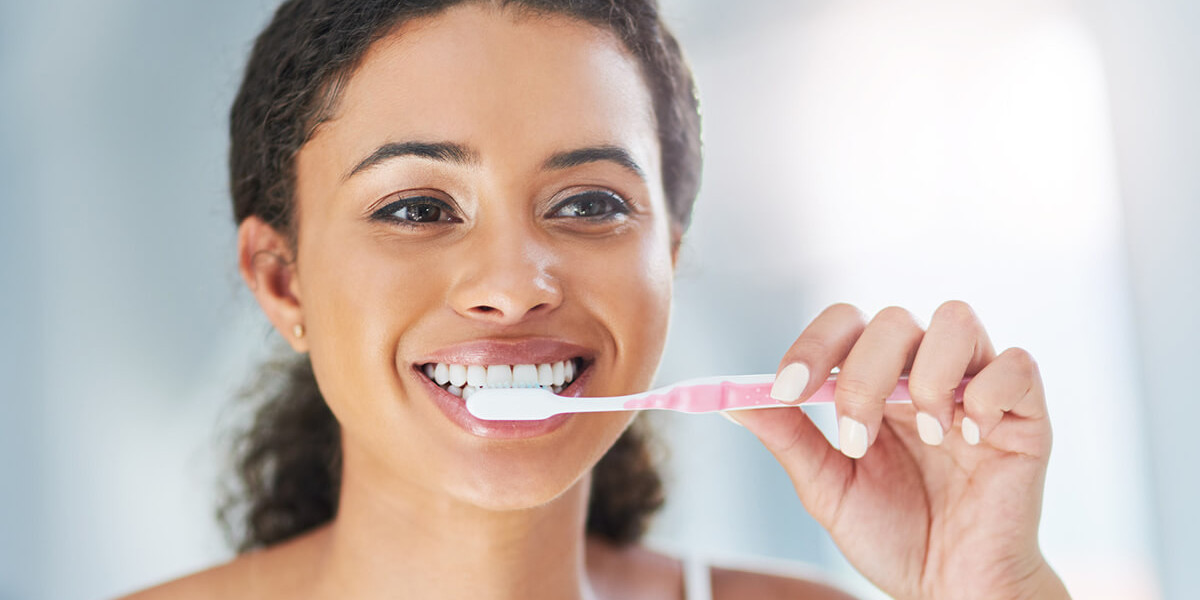

Most people brush their teeth every day and assume that’s enough to maintain good oral health. While brushing is essential, many common habits silently harm teeth and gums over time. These mistakes often go unnoticed because they don’t cause immediate pain, but they can lead to cavities, gum disease, sensitivity, and even tooth loss if ignored.
Understanding these hidden oral health mistakes is the first step toward protecting your smile for the long term. Let’s explore the most common errors people make without realising it—and how you can fix them.
1. Brushing Too Hard or Using the Wrong Technique
Many people believe that brushing harder cleans teeth better. In reality, aggressive brushing can damage enamel and irritate gums. Over time, this leads to gum recession, tooth sensitivity, and increased risk of cavities along the gum line.
What to do instead:
Use a soft-bristled toothbrush
Brush gently using small circular motions
Let the bristles do the work, not pressure
Gentle, consistent brushing is far more effective than forceful scrubbing.
2. Ignoring the Gum Line While Brushing
Focusing only on the visible surface of teeth and ignoring the gum line is a major mistake. Plaque tends to build up where teeth meet gums, increasing the risk of gingivitis and periodontal disease.
Fix this habit by:
Tilting your toothbrush at a 45-degree angle toward the gums
Cleaning along the gum margins carefully
Spending equal time on all sections of the mouth
Healthy gums are just as important as clean teeth.
3. Skipping Flossing or Doing It Incorrectly
Many people skip flossing entirely or do it incorrectly, assuming brushing is enough. Unfortunately, toothbrushes cannot reach between teeth where food particles and plaque accumulate.
Over time, this leads to cavities between teeth and gum inflammation.
Proper flossing tips:
Floss once a day
Use a gentle sliding motion, not snapping
Curve the floss around each tooth in a “C” shape
Consistent flossing significantly reduces the risk of hidden dental issues.
4. Rinsing Immediately After Brushing
Rinsing your mouth with water right after brushing washes away the fluoride from toothpaste. Fluoride needs time to strengthen enamel and protect against decay.
Better approach:
Spit out excess toothpaste
Avoid rinsing with water for at least 30 minutes
If needed, use a fluoride mouthwash at a different time of day
This small change can make a big difference in cavity prevention.
5. Frequent Snacking and Sipping Sugary Drinks
Even if you brush twice a day, frequent snacking exposes your teeth to constant acid attacks. Sugary drinks, fruit juices, and even flavored teas slowly erode enamel throughout the day.
Smarter habits include:
Limiting snacks between meals
Drinking water instead of sugary beverages
Using a straw to reduce contact with teeth
Reducing frequency matters more than just reducing quantity.
6. Ignoring Early Dental Pain or Sensitivity
Tooth sensitivity or mild pain is often ignored until it becomes severe. Many people assume it will go away on its own, but early symptoms usually indicate underlying issues such as decay or infection.
Delaying treatment can lead to advanced problems that may require procedures like Root Canal Treatment in Chandigarh to save the affected tooth. Early intervention is always simpler, less painful, and more affordable.
7. Using Teeth as Tools
Using teeth to open packets, tear tape, or bite nails may seem harmless, but it can cause cracks, chips, and excessive wear.
Avoid using teeth for:
Opening bottles or packages
Biting hard objects like pens or ice
Nail-biting or chewing non-food items
Your teeth are designed for chewing food—not multitasking.
8. Believing Bleeding Gums Are Normal
Bleeding gums during brushing or flossing are often dismissed as normal. In reality, this is an early sign of gum inflammation.
Healthy gums should not bleed. Persistent bleeding may indicate gingivitis, which can progress to periodontitis if untreated.
What helps:
Improved brushing and flossing technique
Regular professional cleanings
Prompt dental evaluation
Early gum care prevents serious oral and systemic health problems.
9. Skipping Regular Dental Check-Ups
Many people visit the dentist only when there is pain. Unfortunately, dental problems often develop silently.
Routine dental check-ups help detect:
Early cavities
Gum disease
Enamel erosion
Oral infections
Regular visits to a trusted clinic like Dantaa Dental Clinic ensure preventive care, professional cleaning, and early diagnosis before issues become serious.
10. Overusing Whitening Products
Teeth whitening products are popular, but overuse can damage enamel and increase sensitivity. DIY remedies and excessive bleaching weaken teeth rather than improving oral health.
Safe whitening tips:
Follow professional guidance
Avoid daily use of whitening products
Address stains caused by plaque or tartar first
Whitening should enhance oral health—not compromise it.
11. Not Replacing Your Toothbrush Regularly
Using an old toothbrush reduces cleaning effectiveness and increases bacterial buildup. Worn-out bristles cannot remove plaque properly.
Best practice:
Replace your toothbrush every 3 months
Change it sooner if bristles are frayed
Replace after illness
A fresh toothbrush ensures better hygiene and protection.
12. Neglecting Oral Health During Stress
Stress often leads to teeth grinding (bruxism), jaw clenching, dry mouth, and neglected oral hygiene routines. Over time, this causes enamel wear, jaw pain, and cracked teeth.
Manage stress by:
Using night guards if recommended
Practicing relaxation techniques
Maintaining consistent oral care routines
Your mental health directly affects your oral health.
13. Assuming Dental Problems Only Affect the Mouth
Poor oral health doesn’t just impact teeth—it’s linked to heart disease, diabetes, respiratory infections, and pregnancy complications.
Maintaining good oral hygiene supports overall well-being, not just a bright smile.
Final Thoughts
Oral health mistakes are often subtle and easy to overlook, but their long-term impact can be significant. From brushing habits to ignoring early symptoms, small errors add up over time.
By becoming aware of these common mistakes and making simple adjustments, you can protect your teeth, gums, and overall health. Regular dental care, mindful habits, and early treatment play a crucial role in maintaining a healthy smile for life.
Taking care of your oral health today helps you avoid complex treatments tomorrow—and ensures confidence, comfort, and well-being in the long run.