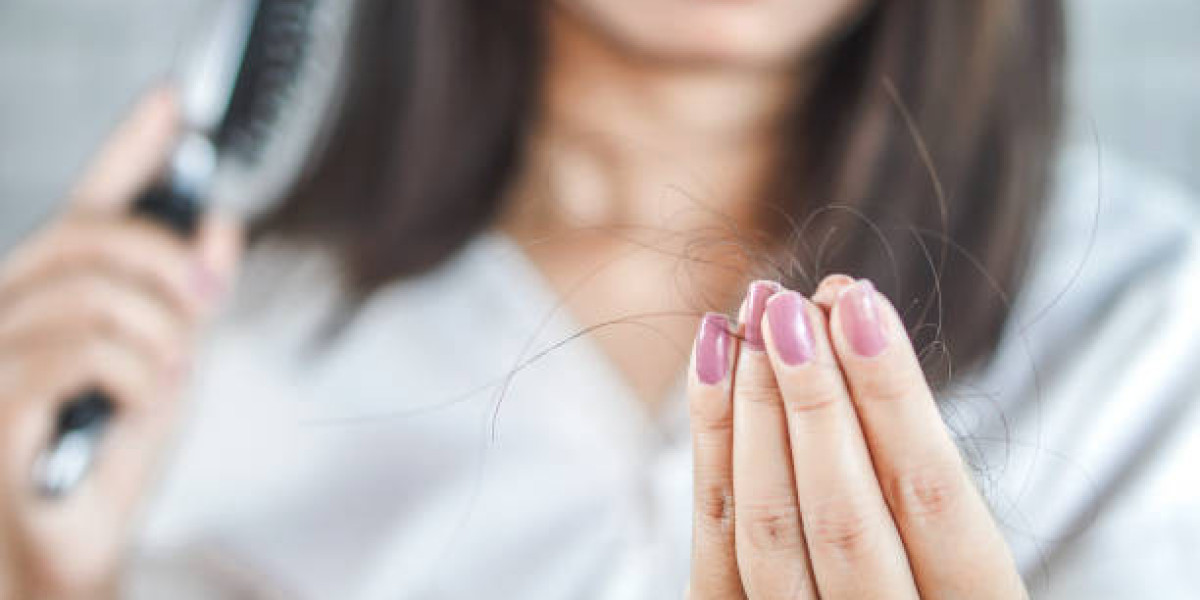

Female hair loss is a distinct clinical challenge that requires a fundamentally different approach than male restoration. For women considering a hair transplant in Al Ain, the primary concern is often "diffuse thinning" rather than a receding hairline. In clinical settings, we observe that female patients prioritize density and the ability to keep their existing hair long during the procedure. Our diagnostic-first philosophy ensures we differentiate between permanent hair loss and reversible thinning caused by iron deficiency, thyroid shifts, or hormonal changes, ensuring that surgery is only performed when it is the most effective biological solution.
The Clinical Logic of the Female "Non-Shaven" Approach
One of the biggest hurdles for women is the fear of shaving their heads. Unlike male procedures, where a full shave is standard, female-specific solutions often utilize "Long-Hair FUE" or "U-Shave" techniques. In these methods, a small "window" is shaved in the donor area at the back of the head, which is easily covered by the surrounding long hair. The follicles are then implanted among the existing thinning hairs without cutting them. This allows women in Al Ain to return to their social and professional lives immediately without any visible signs of surgery.
Comparison: Male vs. Female Hair Transplant Considerations
Is the Procedure Sensitive for Female Patients?
What is the actual sensation of a female hair transplant?
The sensation is identical to any other FUE procedure; it is performed under local anesthesia and is completely painless. However, because we are often working between existing long hairs, the process is slower and more delicate. Patients report a feeling of "patience" rather than pain, as the session can last 6 to 8 hours. On a discomfort scale, women typically rate the experience at a 2/10.
Based on post-procedure follow-ups, what feels uncomfortable is the initial "heaviness" of the scalp during the first 48 hours. However, what feels surprisingly easy is the concealment. Because the existing hair is left long, most women find they can hide the redness and tiny scabs with creative styling or a loose headband, making the recovery very discreet.
"I was so worried I would have to cut my hair, but the 'window' technique at Tajmeels was perfect. No one at my office even knew I had the procedure done. The itching was there for a few days, but the result was so worth it." — Mariam
Identifying Ideal Female Candidates
High Foreheads: Women with naturally high hairlines who wish to lower them for a more feminine profile.
Traction Alopecia: Hair loss caused by tight hairstyles or heavy extensions, common in the region.
Stable Thinning: Women with a clear "Ludwig Scale" thinning pattern who have healthy donor hair at the back.
Post-Surgical Scars: Women looking to hide scars from previous brow lifts or face lifts.
In clinical practice, we observe that women with "Diffuse Unpatterned Alopecia" (DUPA)—where the donor area is also thinning—are not ideal candidates. Our diagnostic-first philosophy involves a "Miniaturization Study" to ensure that the hair we move is strong enough to survive the transplant and provide lasting coverage.
Step-by-Step: The Female Restoration Journey
What feels different for women during the growth phase?
The "Shock Loss" phase—where the new hairs shed—can be more emotionally taxing for women. However, what feels tolerable is the gradual integration of the new hair. By month six, the new strands blend with the existing long hair, providing a "lift" in volume that is visible but subtle. What feels surprisingly easy is the return to normal styling; once the grafts are secure after 14 days, women can return to their usual washing and gentle styling routines.
Month 1: The scalp is healed; existing hair covers the donor "window."
Months 3–4: New, soft hairs begin to emerge from the scalp.
Months 6–9: A noticeable increase in the "parting line" thickness.
Month 12: Final results show a fuller, denser look with improved styling options.
Frequently Asked Questions
Can I wear hair extensions after the transplant?
We strictly advise against extensions or tight braids for at least 6 months post-surgery. The tension can damage the newly implanted follicles and potentially lead to "Traction Alopecia" in the very area you just restored.
Will the transplanted hair grow as long as my natural hair?
Yes. The transplanted follicles retain their original characteristics. If your hair naturally grows long, the transplanted hair will do exactly the same.
Is it safe to dye my hair after the procedure?
You should wait at least 4 to 6 weeks before using any harsh chemical dyes. We want the scalp to be completely healed and the new grafts to be fully integrated before exposing them to chemicals.
Do I need to take hormonal medication?
This depends on the cause of your thinning. Many women find that a combination of a transplant and localized PRP (Platelet-Rich Plasma) therapy provides the best results without the need for systemic medication.
What is the 'No-Shave' FUE cost difference?
The non-shaven technique is more labor-intensive and requires a higher level of surgical skill, so it typically carries a premium price compared to standard FUE. However, for most women, the benefit of social discretion is worth the investment.
Why Choose Tajmeels Clinic for Your Procedure?
At Tajmeels Clinic, we recognize that female hair restoration is a specialty of its own. We specialize in hair transplant in Al Ain for women by utilizing a diagnostic-first philosophy that prioritizes density, concealment, and biological health. Our clinicians are experts in "No-Shave" techniques and artistic hairline design, ensuring that your results are as feminine and natural as they are permanent. We provide a professional, empathetic, and highly private environment, tailored specifically to the needs of our female patients.