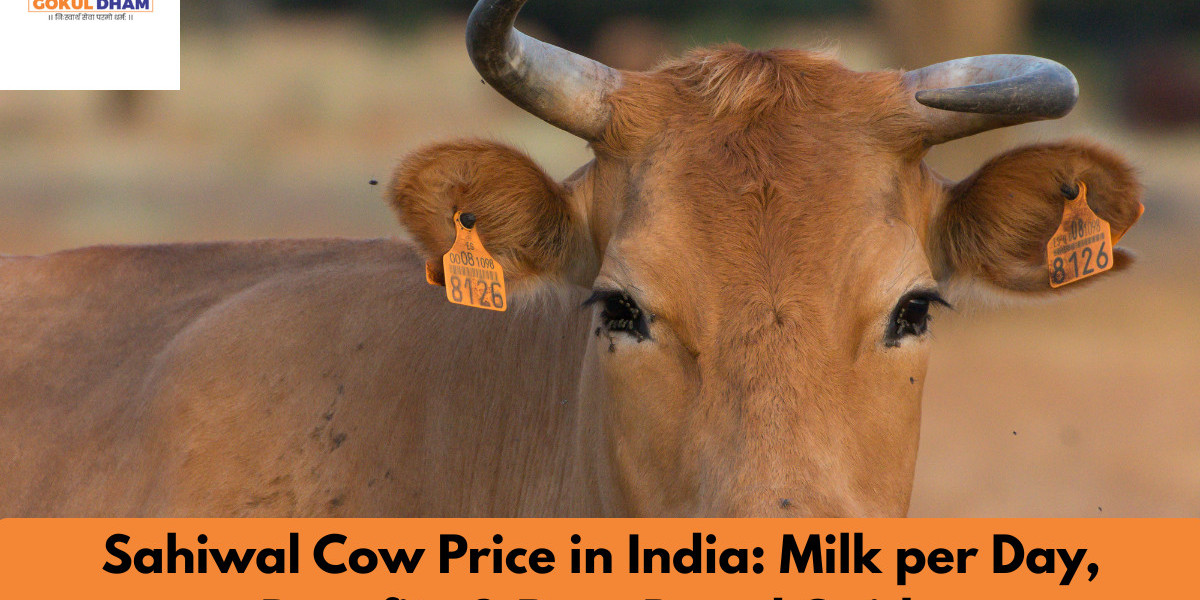

The Sahiwal cow is one of India’s most celebrated indigenous dairy breeds and holds a special place in the dairy ecosystem of the country. Known for its hardiness, adaptability, health resilience, and high-quality milk production, Sahiwal has been a preferred choice among traditional and modern farmers alike. Whether you are planning to start a dairy business, invest in indigenous cattle, or simply want to understand this breed better, this in-depth guide covers everything from price trends to milk yield, benefits, maintenance, and FAQs.
1. Introduction to Sahiwal Cows
Originating from the Sahiwal region of present-day Pakistan and historically prevalent across northern India and Punjab, the Sahiwal cow is deeply ingrained in South Asian cattle culture. This breed is also referred to by several regional names such as “Lambi Bar,” “Montgomery,” “Multani,” and “Teli.”
The Sahiwal is a zebu breed (Bos indicus) — meaning it has a characteristic hump, dewlap, and loose skin, which helps in heat dissipation and cooling. Its adaptability to tropical climates makes it particularly suitable for India’s hot and humid conditions where imported dairy breeds often struggle.
Also Read:- Gir Cow: Milk per Day, Price, Baby Gir Cow Care & Complete Breed Guide
2. Physical Traits and Characteristics
Here’s a quick overview of what distinguishes the Sahiwal cow from many other breeds:
Color: Ranges from reddish-brown to a more greyish-red with occasional white patches.
Body: Medium to large frame with a well-developed udder ideal for milking.
Horns: Short and typically curved.
Temperament: Calm, docile, and easy to handle, making them farmer-friendly.
Resilience: Naturally resistant to ticks, tropical diseases, and heat stress.
These biological advantages not only make Sahiwal cows easy to manage but also reduce long-term veterinary and maintenance costs.
3. Milk Yield – How Much Does a Sahiwal Cow Produce?
Daily Milk Production
A Sahiwal cow is prized primarily for its dairy potential. On average:
8–12 litres of milk per day is considered typical under common farm conditions.
Some farm records and breeding programs have reported yields of 10–15 litres per day.
These figures can vary based on age, diet, health, and management practices.
Lactation Yield
Lactation refers to the total milk produced over one complete milking cycle, usually spanning around 280–300 days for Sahiwal cows. Over this period:
Average production can range from 2,000–3,000 litres in a good cow.
With careful management and superior genetics, some cows have recorded exceptionally high yields well beyond this range under ideal conditions.
Milk Quality
Sahiwal milk is rich in nutritious elements:
Butterfat Content: Approximately 4.5%–5%, making it ideal for products like ghee, paneer, yogurt, and lassi.
The milk also naturally contains A2 β-casein protein, which many nutritionists believe to be easier to digest and healthier than A1 milk found in many foreign breeds.
This makes Sahiwal milk a premium product in local markets, especially for consumers seeking traditional and organic dairy.
Also Read:- Top 10 Desi Cow Breeds in India Every Farmer Should Know for High Milk Yield & Profit
4. Price of Sahiwal Cows in India
The price of a Sahiwal cow varies significantly depending on factors such as age, body condition, milk yield capacity, whether the cow is pregnant, and the purity of the breed. Current trends in India suggest:
Typical Price Ranges
Type of Cow | Approx. Price Range |
Young Heifer | ₹35,000 – ₹60,000+ |
Adult Milking Cow | ₹45,000 – ₹80,000+ |
These variations reflect differences in region, seller, health status, and expected milk production.
Purebred vs. Mixed Cows
Pure Sahiwal cows, especially those from reputable breeders or farms, command higher prices due to their predictable performance and genetics.
Crossbred or lower-quality animals may be cheaper but typically yield less milk and may not be as resilient.
5. Benefits of Rearing Sahiwal Cows
Investing in Sahiwal cows brings multiple advantages for dairy farmers and household owners:
A. Economic and Dairy Benefits
Consistent Milk Yield: Reliable daily production that supports household consumption and commercial sale.
High-Quality Milk: Rich in fat and A2 protein, fetching premium market prices.
Organic & Local Appeal: Indigenous sahiwal cow milk per day is often preferred for traditional dairy products and health-conscious consumers.
B. Environmental and Management Advantages
Heat Tolerance: Performs well in hot and humid regions where exotic breeds falter.
Disease Resistance: Better natural immunity against local parasites and diseases reduces healthcare costs.
Long Productive Life: Capable of productive lactation over 10–15 years with proper care.
C. Versatility
While primarily dairy-focused, some Sahiwal cattle contribute to light draft work and provide quality manure for agriculture — enhancing farm sustainability.
6. Feeding & Care for Maximum Yield
To reap the full benefits of a Sahiwal cow, attention to nutrition and husbandry is crucial:
Balanced Diet: Include fresh fodder, silage, grains, and mineral mixtures.
Water: Always ensure clean and ample water supply.
Care: Regular deworming, vaccinations, and hygiene practices maintain cow health.
Shelter: Protection from extreme weather further improves milk yield.
Proven management coupled with a stress-free environment can significantly increase both daily milk yield and lactation longevity.
7. Identifying Pure Sahiwal Breed
When purchasing a Sahiwal cow, purity is vital for performance and future breeding. Key indicators of breed purity include:
Uniform reddish-brown coat without mix coloration patterns.
Strong physique with well-rounded body structure.
Large, capacious udder with good teat placement.
Clear documentation of lineage from reliable breeders or farms.
Testing for genetic purity through veterinary certification is the best method to avoid crossbred or low-performance animals.
8. Sahiwal Cow – A Wise Investment for Dairy Farming
Compared to exotic breeds like Holstein-Friesian or Jersey:
Sahiwal cows may produce slightly lower milk volumes but have higher butterfat and better health traits under Indian conditions.
They require lower maintenance costs, making them ideal for small-to-medium dairy businesses and family farms.
Their longer productive life and resilience make them cost-effective over the long term.
In essence, Sahiwal cows balance profitability, sustainability, and tradition — a critical advantage for rural and peri-urban dairy entrepreneurs.
9. Government Policies and Support
Many states in India have launched initiatives under schemes like Rashtriya Gokuldham to promote indigenous cattle breeds, including Sahiwal, by offering:
Incentives for rearing high-yield cattle.
Subsidies on fodder, veterinary services, and breeding programs.
Farmers are encouraged to consult local animal husbandry departments for region-specific benefits.
Conclusion
The Sahiwal cow stands as a symbol of India’s indigenous dairy prowess — a breed that blends milk quality, adaptability, resilience, and economic value into one dependable package. Whether you are looking to expand a dairy business, secure long-term income from livestock, or simply enjoy nutritious A2 milk at home, Sahiwal is a breed worth serious attention.
With proper feeding, veterinary care, and management practices, Sahiwal cows can yield excellent returns, sustain rural livelihoods, and promote sustainable dairy farming across India.
Frequently Asked Questions (FAQs)
1. What is the average milk yield of a Sahiwal cow per day?
Typically, a healthy adult Sahiwal cow produces 8–12 litres of milk daily, though individual performance may vary with proper nutrition and management.
2. How much does a Sahiwal cow cost in India?
The price generally ranges from ₹35,000 to ₹80,000+ depending on age, health, purity, and lactation status.
3. Is Sahiwal milk rich in fat?
Yes — Sahiwal milk typically has 4.5% to 5% butterfat content, which is excellent for traditional dairy products.
4. What makes Sahiwal milk special?
Apart from rich fat, it naturally contains A2 β-casein protein, making it easier to digest and beneficial for health-conscious consumers.
5. How long is the productive life of a Sahiwal cow?
With good care, Sahiwal cows remain productive for 10–15 years or more.
6. Can Sahiwal cows withstand Indian weather conditions?
Absolutely — they are highly heat-tolerant and resistant to many tropical diseases, suitable for Indian climates.
7. Are purebred Sahiwal cows better than crossbreeds?
Purebreds usually offer more consistent milk quality and adaptability, though advanced crossbreeds may produce higher volumes under optimal conditions. Genetics, care, and management always play a key role.