
Navigating the Recovery of Flat Mole Excision
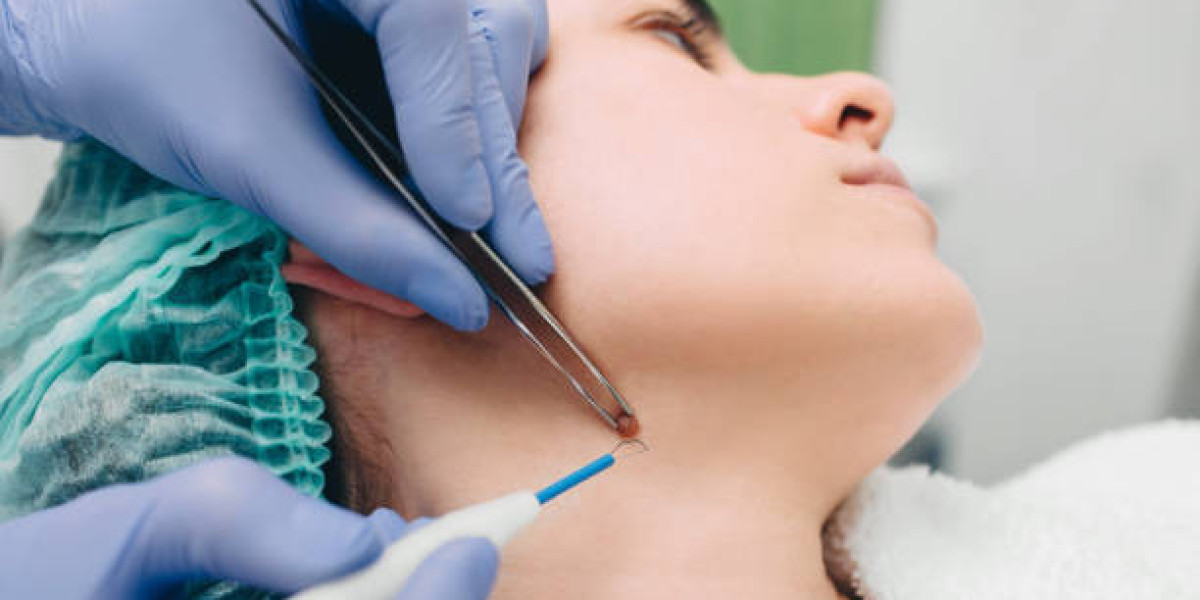
When it comes to mole removal in Dubai, flat pigmented lesions—often called junctional naevi—require a specific clinical approach. Because these moles sit level with the skin, removing them involves addressing pigment that may extend into the upper dermal layers. Whether removed via high-precision laser or a minor surgical excision, the success of the procedure depends heavily on the "re-epithelialization" phase—the period where your skin rebuilds its surface. Understanding the nuances of healing in a desert climate is essential for preventing the darkening of the site and ensuring the final result is as discrete as possible.
Why Flat Moles Require Specialized Aftercare
In clinical settings, we observe that flat moles are often more susceptible to Post-Inflammatory Hyperpigmentation (PIH) than raised ones. This is because the treatment targets melanin-rich cells. If the healing site is stressed by heat, friction, or UV rays, the body may overproduce pigment as a defense mechanism, leading to a brown mark that mimics the original mole. A diagnostic-first evaluation allows us to determine the depth of the pigment, ensuring we choose a removal method that minimizes this inflammatory response from the start.
Recovery Comparison by Removal Method
The "feel" and timeline of your recovery will vary based on the technology used to address the flat mole.
| Recovery Feature | CO2 Laser (Vaporization) | Standard Excision (Surgical) | Radiofrequency (Ablation) |
| Initial Appearance | Shallow, dark "stamp." | Fine line with stitches | Light brown crust |
| Crust Shedding | 5–7 Days | N/A (Stitches removed) | 7–10 Days |
| Pink Phase | 2–4 Weeks | 4–6 Weeks | 2–3 Weeks |
| Activity Restraint | 24 Hours | 7–14 Days | 48 Hours |
What Does the Recovery Sensation Feel Like?
Patients often report that the recovery from flat mole removal is "surprisingly easy," feeling more like a minor skin graze than a medical wound. During the first few hours after the procedure, you may feel a slight "tightness" as the local anesthetic wears off. In clinical follow-ups, patients describe the sensation as a 1 or 2 on a 10-point scale—easily managed without medication.
What feels "uncomfortable" is typically the dry sensation that occurs around day four. As the skin begins to pull at the edges of the healing site, it can feel itchy. Based on clinical experience, keeping the area hydrated is the single most effective way to eliminate this discomfort and prevent the urge to scratch, which is the leading cause of secondary scarring.
"I had three flat moles removed from my arm. I expected a long healing process, but it just looked like a small scrape for a week. By the second week, I could barely see the spots." — Zainab
Essential Recovery Tips for the Dubai Climate
Healing skin in the UAE faces unique challenges, from high UV indices to humidity-induced sweat. Follow these clinical protocols to safeguard your results:
The "Wet Healing" Protocol: Apply a thin layer of sterile, petroleum-based ointment twice daily. We observe that "moist" wounds heal significantly faster and with smoother textures than those left to form a hard, dry scab.
Strict UV Shielding: New skin lacks the melanin density to protect itself. Even five minutes of direct Dubai sun can "tan" the healing spot permanently. Use a physical sunblock (Zinc Oxide) or a small bandage for the first 12 weeks.
Sweat Management: Avoid intense gym sessions or saunas for the first 48 hours. Sweat contains salts that can irritate the raw tissue and potentially introduce bacteria into the site.
Gentle Cleansing: Use only fragrance-free, non-foaming cleansers. Pat the area dry with a clean paper towel; never rub the site with a bath towel.
Why Every Removal Starts with a Diagnostic Review
A diagnostic-first approach is critical for flat moles because they can sometimes mimic other skin conditions, such as solar lentigines or atypical naevi. We utilize high-resolution dermoscopy to map the pigment network. If the pigment is found to be irregular or very deep, we adjust the excision technique to ensure every cell is addressed. This medical rigor ensures that we aren't just "fading" a spot, but removing it entirely while prioritizing your long-term skin health.
Who Should Be Extra Cautious During Recovery?
While the procedure is low-risk, certain factors require a more disciplined recovery:
Darker Skin Tones: Patients with Fitzpatrick IV-VI skin are at higher risk for PIH and should use specific post-op serums recommended by the clinician.
Smokers: Nicotine constricts blood vessels, which can delay the "pink phase" and slow down tissue regeneration.
Diabetes: Patients with uncontrolled blood sugar may take longer to close the wound and require closer monitoring for infection.
"I was worried about the mole on my cheek leaving a dark mark after removal. My clinician told me exactly which cream to use and to avoid the sun. It worked perfectly—no mark at all." — Omar
Why Choose Tajmeels Clinic for Your Procedure?
At Tajmeels Clinic, we understand that the final aesthetic result is just as important as the removal itself. We specialize in mole removal in Dubai by combining a medical-first diagnostic philosophy with advanced, tissue-sparing technology. Our clinicians provide personalized recovery roadmaps tailored to your skin type and the specific location of your mole. By focusing on minimal-trauma techniques and comprehensive aftercare, we ensure your journey to clear skin is safe, comfortable, and results in the smoothest possible finish.
Frequently Asked Questions
Will the flat mole grow back?
If the pigment is entirely removed during the excision or laser session, it is unlikely to return. However, if a mole is "congenital" (present from birth), it may have deep nests that require a secondary touch-up session.
When can I start using Retinol or Vitamin C again?
You must wait until the skin has fully healed and the pinkness has faded, usually 3 to 4 weeks. Applying "active" ingredients to a fresh excision site can cause chemical burns or severe irritation.
Can I go for a facial after mole removal?
We recommend waiting at least 14 days before any facial treatments that involve steam, extractions, or chemical exfoliants. Always inform your aesthetician about the recent procedure.
Does flat mole removal leave a "white spot"?
In some cases, the skin may appear slightly lighter than the surrounding area initially. This is usually temporary and improves as the skin's natural pigment cells migrate back into the treated zone over several months.
How do I know if the site is infected?
While rare, signs of infection include spreading redness, increased heat at the site, or yellow discharge. If you notice these symptoms, contact the clinic immediately for a professional review.