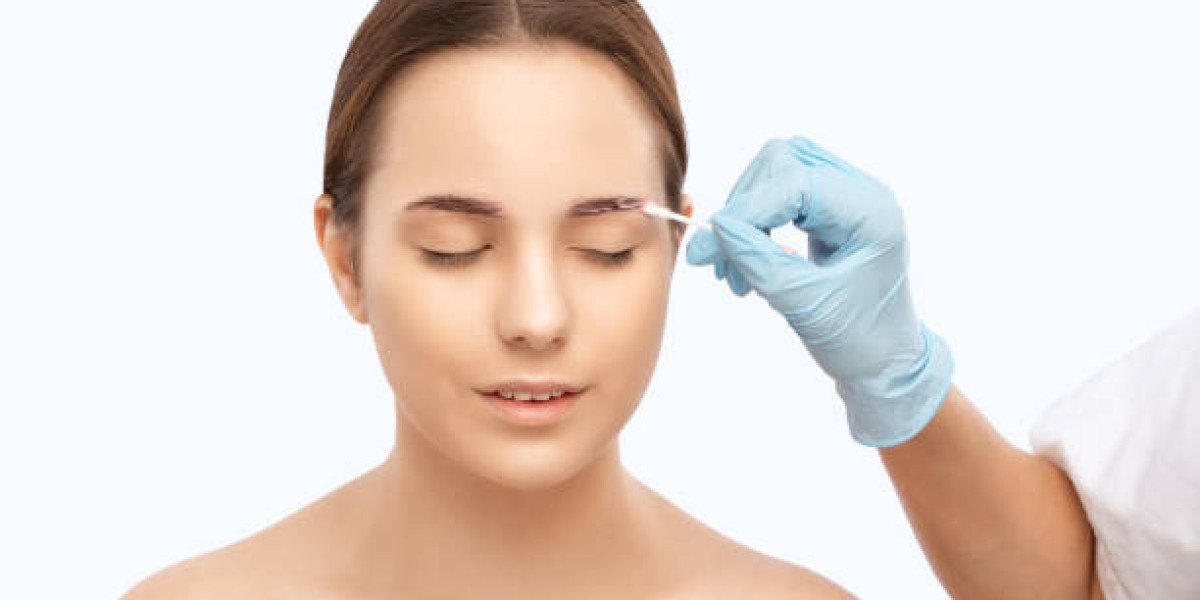

The success of an eyebrow hair transplant in Dubai is often determined before the first graft is ever extracted. While the procedure offers a permanent solution to thinning or absent brows, the biological and lifestyle profile of the patient plays a critical role in graft survival and aesthetic integration. In clinical settings, we observe that the "best" candidates are those with stable donor hair and realistic expectations regarding the long-term maintenance of transplanted follicles.
Determining candidacy involves more than just identifying a lack of hair; it requires a medical assessment of the underlying cause of hair loss. This guide provides a clinical breakdown of who is ideally suited for this procedure, the sensations you can expect, and the safety considerations that may exclude certain individuals.
Clinical Criteria for Ideal Candidates
An ideal candidate is someone who possesses healthy hair follicles at the back of the head (the donor site) and has localized thinning in the eyebrow region that is not caused by an active autoimmune disease.
What makes someone a "perfect" candidate?
Based on post-procedure follow-ups, we have identified several key indicators of success:
Stable Donor Supply: Candidates must have a small but healthy patch of hair at the nape or behind the ears. The hair caliber should ideally match the desired eyebrow thickness.
Resolved Trauma or Over-Plucking: Those who lost brow hair due to physical trauma, scarring, or years of over-plucking are excellent candidates because the underlying skin is usually healthy enough to support new grafts.
Good Peripheral Circulation: Healthy blood flow to the brow ridge ensures that the "newly" implanted follicles receive the oxygen they need to anchor within the first 72 hours.
Is the Candidate Assessment Process Painful?
What are the actual sensations during the consultation and procedure?
The assessment itself is completely non-invasive, involving high-magnification "trichoscopy" to look at the skin and hair. If you move forward with the procedure, the experience is governed by local anesthesia.
Step-by-Step Patient Sensations:
The "Numbing" Phase: This is the most uncomfortable part. You will feel 3 to 4 quick, sharp stings as the local anesthetic is administered to the brow area.
The Extraction Phase: You will feel a dull vibration at the back of your head. It is not painful, but the sound of the micro-punch can be noticeable.
The Placement Phase: This feels like a repetitive "tapping" or "pressing." Most patients report that it feels similar to someone tapping a pen against their forehead. It is sedentary and often quite boring, leading many to listen to podcasts or nap.
"I was nervous about the needles near my eyes. The first two pinches were sharp, but after that, I couldn't feel a thing. I actually felt more relaxed during the transplant than I do during a standard dental cleaning." — Laila
Safety Considerations: Who is Not a Candidate?
Are there medical reasons to avoid an eyebrow transplant?
Not everyone with thin brows should undergo surgery. In clinical settings, we observe that certain conditions can lead to graft failure or poor healing. You are likely not a candidate if you have:
Active Alopecia Areata: If your hair loss is caused by an autoimmune attack, the body will likely attack the new grafts, leading to a 0% survival rate.
Trichotillomania (Active): If you have an active, compulsive habit of pulling out eyebrow hair, the transplant will not be successful until the behavior is clinically managed.
Severe Keloid Scarring: Individuals whose skin reacts to minor cuts by forming large, raised scars (keloids) may end up with bumpy, unnatural brows.
Poorly Controlled Diabetes: High blood sugar can severely delay the micro-healing process, increasing the risk of infection and graft "necrosis."
Comparison: Candidate Suitability by Hair Loss Cause
| Cause of Loss | Suitability Level | Clinical Note |
| Over-Plucking | Excellent | Skin is usually healthy; high survival rate. |
| Physical Scarring | Good | May require more grafts to mask the scar tissue. |
| Genetics/Natural Thinning | Excellent | Stable results; easiest to design. |
| Autoimmune Disease | Poor | Risk of "rejection" by the body's immune system. |
| Chemotherapy | Moderate | Must wait at least 6-12 months post-treatment. |
The "Candidate-to-Patient" Timeline
How long does it take for a candidate to see results?
Once you are cleared as a candidate, the biological timeline follows a standard path of healing and regrowth.
Day 1 (Procedure Day): You leave the clinic with tiny scabs. You are now "post-op."
Day 7: The "Socially Presentable" mark. Scabs fall off, and the brows look full but slightly pink.
Week 3: The "Shedding Phase." The new hair shafts fall out. This is a normal clinical response and does not mean the procedure failed.
Month 4: New growth begins. The hair is often fine at first but thickens over the following months.
Month 12: The Final Result. You now have permanent, high-density brows that require only occasional trimming.
"I waited six months after my last round of treatment for my skin to settle before the doctor cleared me for the transplant. Being the 'right' candidate made all the difference—my brows are finally back." — Zaid
FAQ for Potential Candidates
How do I know if my donor hair is thick enough?
During your consultation, we use a densitometer to check the back of your head. Most people have more than enough hair for an eyebrow transplant, as we only need 200 to 500 grafts.
Can I have a transplant if I have microblading?
Yes. In fact, many candidates use microblading as a "template" for their transplant. We can plant the hair directly over the pigment to add 3D texture and permanent density to a 2D tattoo.
Is age a factor in candidacy?
Generally, no. As long as you are over 18 and in good health, age is not a barrier. However, we ensure that the design of the brow is "age-appropriate" and will look natural as you grow older.
Will the skin around my eyes be bruised?
Some candidates experience minor bruising or "yellowing" around the upper eyelids. This is a common response to the local anesthetic fluid and typically resolves within 3 to 5 days.
Why Choose Tajmeels Clinic?
At Tajmeels Clinic, our "Best Candidate" philosophy is rooted in medical ethics. We prioritize long-term results over short-term gains, meaning we will only recommend an eyebrow hair transplant in Dubai if our clinical assessment shows a high probability of success. Our surgeons utilize high-magnification tools to ensure your donor hair is a perfect match and that every graft is placed with mathematical precision. We provide a transparent, empathetic environment where we help you understand your unique biological profile, ensuring that when you do move forward, you do so with total confidence.