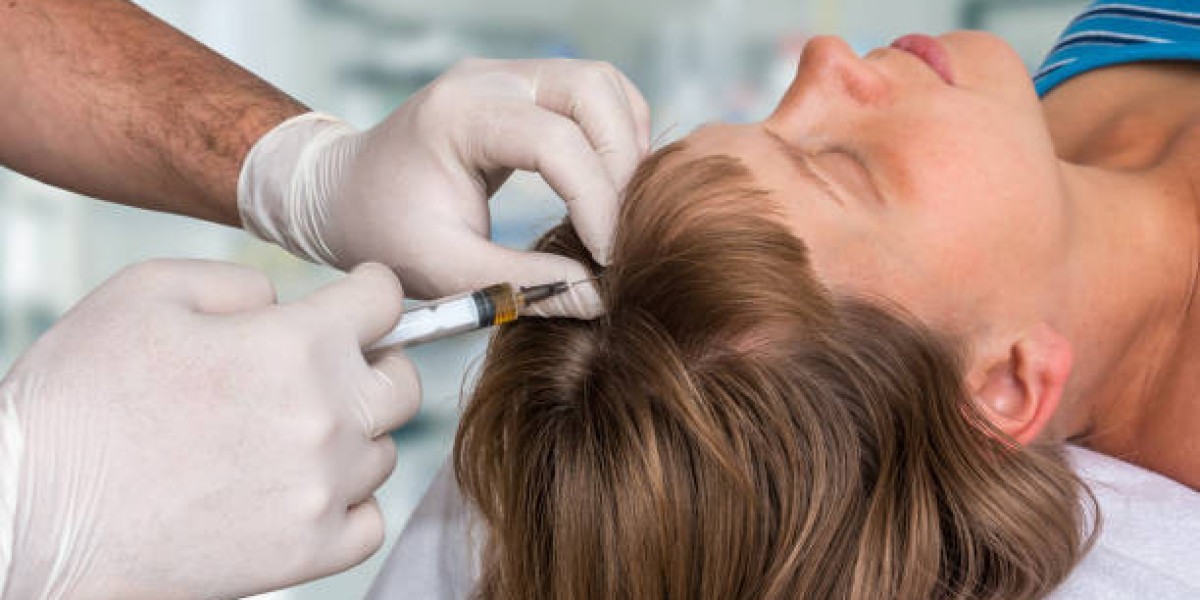

For many women noticing a widening part or a decrease in ponytail volume, the emotional toll of thinning hair is often heavier than the physical change. The search for a solution frequently leads to Platelet-Rich Plasma (PRP) therapy, yet much of the available information remains frustratingly vague or male-centric. Patients often approach consultations with a mix of hope and significant apprehension regarding needle pain and actual efficacy. Understanding PRP hair treatment in Abu Dhabi requires looking beyond the marketing to the biological reality of how your own growth factors interact with dormant follicles. This guide draws on clinical observations to provide a transparent look at the procedure, from the first blood draw to the long-term maintenance phase.
What is the Biological Mechanism Behind PRP Success?
PRP therapy works by isolating a high concentration of platelets from the patient’s own blood. These platelets contain alpha granules that release specific growth factors, such as VEGF and PDGF, which signal the hair follicle to transition from the resting (telogen) phase back into the active growth (anagen) phase. For women, this is particularly effective in counteracting the follicle miniaturization often caused by hormonal fluctuations or stress.
Is PRP Hair Treatment Painful During the Procedure?
How does the scalp feel during the injection phase?
Patients often report that the sensation is more of a localized pressure than a sharp pain. While the initial blood draw is a standard needle prick, the scalp injections feel like quick, repetitive "snaps" against the skin. Most clinical practitioners use a "gate control" technique, such as vibration or cold air, to distract the nerves and make the process highly tolerable.
What are the actual patient sensations during treatment?
The Draw: A cold sensation as the arm is cleaned, followed by a minor pinch.
The Centrifugation: A 10-minute period of rest while the centrifuge spins; the machine creates a low humming sound.
The Injections: A tight, "full" sensation in the scalp as the plasma is administered. Some patients describe it as a temporary stinging that subsides within seconds.
"I was terrified of the needles, but it felt more like someone was tapping my head firmly with a pen. It was over much faster than I expected, and I could drive myself home right after." — Layla
How Long Does the Recovery Process Actually Take?
What should I expect during the first 48 hours?
In clinical settings, we observe that most patients return to work immediately, though a mild "tightness" in the scalp is common for 24 hours. You may experience slight swelling near the forehead if the frontal hairline was treated. We advise avoiding strenuous exercise or hot showers for two days to prevent localized inflammation.
Realistic Recovery Timeline
| Phase | Physical Sensation | Activity Restrictions |
| Hours 1–4 | Mild tingling, "heavy" scalp | Avoid touching the injection sites |
| Days 1–2 | Slight tenderness, potential redness | No heavy sweating or tight headbands |
| Day 3 | Normal sensation returns | Normal hair washing can resume |
| Week 1 | No visible signs of treatment | No restrictions |
Who is the Ideal Candidate for PRP?
Am I a good candidate for this hair restoration method?
The most successful outcomes in women are seen in those with "diffuse thinning"—where the hair density drops across the scalp but follicles are still active. It is highly effective for early-stage female pattern hair loss or thinning triggered by telogen effluvium. However, if a scalp area is completely bald and smooth, the follicles are likely dormant beyond the point of reactivation.
Who should avoid PRP hair treatment?
Active Scalp Infections: Conditions like seborrheic dermatitis should be cleared first.
Platelet Disorders: Those with low platelet counts will not produce effective plasma.
Heavy Smokers: Nicotine significantly constricts blood flow to the follicles, dulling the growth response.
Certain Medications: Patients on specific blood thinners may experience bruising that interferes with local healing.
What Technology Specifics Influence the Results?
The efficacy of PRP is largely dependent on the concentration of platelets. In a clinical environment, we adjust the centrifuge settings based on the patient's baseline blood density. A "pure" PRP sample should ideally have a platelet concentration 3 to 5 times higher than whole blood. For women, who may have lower iron levels affecting their blood composition, these technical adjustments are critical for ensuring the plasma contains enough "fuel" for the hair bulbs.
What Results Can Be Realistically Expected?
When will I see a visible change in hair density?
Results in hair restoration are a marathon, not a sprint. Based on post-procedure follow-ups, initial changes in hair texture and a reduction in daily shedding are typically noted after the second session (8–12 weeks). Significant visible density increases and a "filling in" of the part line usually require 4 to 6 months.
"By my third session, I noticed my hair didn't fall out as much in the shower. My ponytail actually feels thicker again, which is something I haven't felt in years." — Sarah
Common Concerns and Safety Considerations
Are there any long-term side effects to worry about?
Because PRP utilizes your own biological material, the risk of allergic reaction or rejection is virtually zero. The most common "side effect" is temporary scalp tenderness or a mild headache on the evening of the treatment. Unlike some oral medications, it does not interfere with systemic hormones, making it a safe choice for many women.
Frequently Asked Questions
How many sessions are usually required?
Most clinical protocols recommend an initial "loading" phase of 3 to 4 sessions, spaced roughly one month apart. After this, maintenance sessions are suggested every 6 months to sustain the activity of the hair follicles.
Can I wash my hair immediately after the procedure?
It is best to wait at least 12 to 24 hours before washing. This allows the micro-injection points to close completely. When you do wash, avoid using very hot water or harsh chemical clarifies for the first 48 hours.
Is PRP better than hair supplements?
While supplements provide the raw building blocks (vitamins), PRP provides the direct biological "signal" to grow. In clinical practice, they are often used together, but PRP is considered a more direct intervention for follicle reactivation.
Can I get PRP if I color my hair?
Yes, but we recommend waiting at least 72 hours after your session before applying hair dye to ensure the scalp is fully healed and not irritated by the chemicals.
Is there any downtime from work?
There is no clinical reason to take time off. Most women schedule their appointments during a lunch break and return to work immediately. There are no bandages, and any slight redness is usually hidden by your existing hair.
Why Choose Tajmeels Clinic?
At Tajmeels Clinic, we prioritize clinical precision over "one-size-fits-all" beauty treatments. Our approach to PRP hair treatment in Abu Dhabi involves a detailed assessment of your thinning patterns and a customized centrifuge protocol to ensure the highest possible platelet concentration for female hair needs. We focus on providing a sterile, comfortable environment where patient education and realistic expectations are the foundation of every successful transformation.