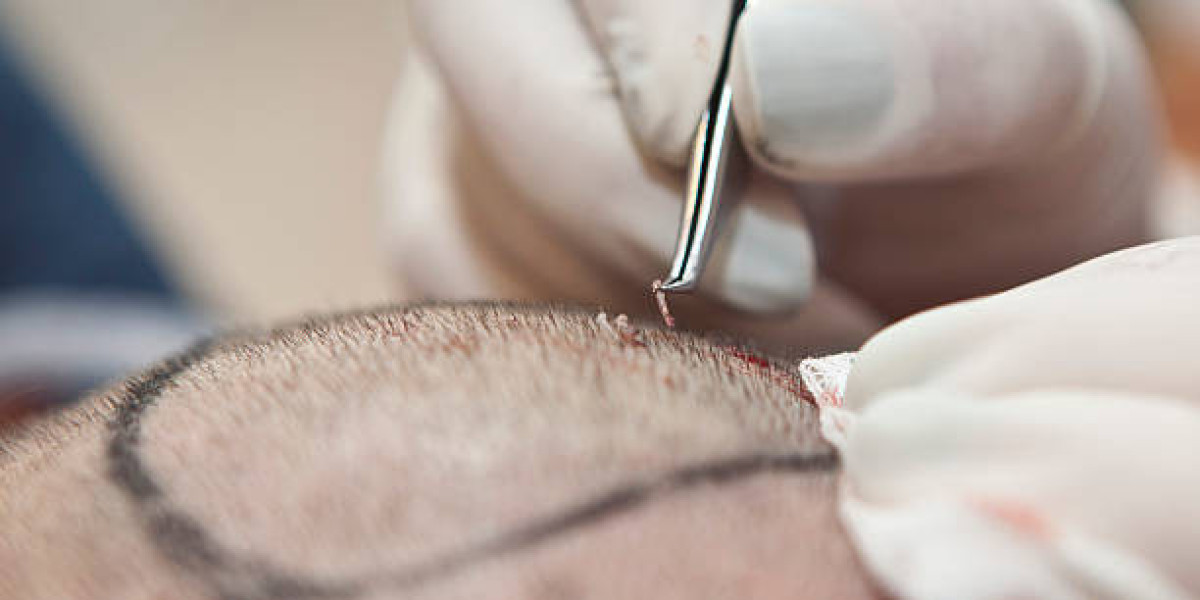

If you are thinking about a Hair Transplant in Sharjah, one of the most important questions is not how—but when. Patients frequently ask, “Am I too young?” or “Did I wait too long?” Age plays a significant role in long-term results, hairline design, and future planning.
In clinical practice, timing often determines whether a transplant looks natural ten years later—or needs correction. This guide explains the best age to consider surgery, what happens if you do it too early or too late, and how maturity of hair loss affects stability and outcomes.
Why Does Age Matter in Hair Transplant?
Does timing really affect results?
Yes. Hair transplantation is permanent, but hair loss progression is ongoing. If surgery is done too early—before the pattern stabilizes—future thinning can create imbalance around transplanted areas.
Age helps specialists:
Predict future hair loss pattern
Preserve donor area wisely
Design an age-appropriate hairline
Avoid unnatural long-term appearance
The goal is not just immediate improvement, but sustainable results.
Is There a Minimum Age for Hair Transplant?
Can someone in their early 20s get it?
Technically, yes—but it is often not recommended unless hair loss is stable.
In patients under 25, we frequently observe:
Rapidly progressing hair loss
Unclear Norwood pattern
Unrealistic expectations about density
A very low hairline created at 22 may look unnatural by 35 if surrounding hair continues to thin.
For younger individuals, stabilizing hair loss medically first is often advised before considering surgery.
Why Is 30 Often Considered a Safer Age?
Is 30 the ideal age?
For many men, the late 20s to mid-30s provide a more predictable window. By this age:
Hair loss pattern is clearer
Donor density can be accurately evaluated
Expectations tend to be more realistic
Long-term planning becomes possible
In consultations, patients over 30 usually focus on natural improvement rather than aggressive hairline lowering.
“I don’t want teenage hair again. I just want to look balanced.” — Hassan, 34
This mindset supports better outcomes.
Is 40 or 50 Too Late?
Can older patients still benefit?
No, it is not too late. Many patients in their 40s and 50s achieve excellent results, especially when donor hair remains strong.
Advantages for older patients often include:
Stable hair loss pattern
Clear understanding of realistic density
Mature expectations
However, donor quality and scalp elasticity may slightly decline with age. Proper evaluation becomes even more important.
How Does Hair Loss Stage Influence Timing?
Age alone does not determine readiness. Hair loss stage matters equally.
For example:
Early temple recession in a 28-year-old may require monitoring
Moderate frontal loss at 35 may be ideal for correction
Advanced crown thinning at 45 may need strategic graft distribution
In clinical planning, predicting future thinning is as important as correcting current baldness.
What Happens If You Do It Too Early?
What are the risks of early transplantation?
Early surgery can lead to:
“Island effect” where transplanted hair remains but surrounding hair thins
Overharvesting donor area
Need for multiple corrective sessions
Unnatural hairline as aging continues
Patients who rush into surgery sometimes require revision within a few years.
Patience often produces more stable results.
What Happens If You Wait Too Long?
Can delaying reduce success?
Waiting does not reduce graft survival, but severe baldness may limit donor supply. If the bald area becomes very large, achieving high density everywhere may not be possible in one session.
In advanced stages, specialists often prioritize:
Frontal framing
Natural crown coverage
Balanced density over extreme fullness
Timing is about strategic balance—not urgency.
How Do Doctors Decide If You’re Ready?
During consultation, specialists evaluate:
Donor density and thickness
Rate of ongoing hair loss
Family history
Overall health
Scalp condition
Sometimes the recommendation is to wait. Other times, surgery combined with medical management is advised.
In follow-ups, patients who followed timing advice report higher satisfaction.
“I wanted it at 24. My doctor said wait. At 30, I’m glad I did.” — Omar, 32
Does Recovery Differ by Age?
Is healing slower at older ages?
Healing is generally similar across adult age groups, provided overall health is good.
Younger and middle-aged patients typically experience:
Mild swelling for 2–3 days
Scabbing for 7–10 days
Shock loss around week 3–4
Visible regrowth at month 3–4
Older patients may have slightly slower tissue regeneration, but differences are usually minimal when health conditions are controlled.
Emotional Readiness Matters Too
The “best age” is also about psychological readiness.
Ideal candidates:
Understand that results take 9–12 months
Accept that perfection is unrealistic
Plan for future hair loss progression
Hair transplantation is not just cosmetic correction—it is long-term restoration planning.
Quick Age Guide Overview
While individual evaluation is essential, general patterns often look like this:
Under 25: Usually wait and stabilize
25–30: Case-by-case decision
30–45: Common and predictable timing
45+: Often stable patterns, donor-dependent
These are guidelines—not strict rules.
Frequently Asked Questions
Is 28 too young for a hair transplant?
Not necessarily, but hair loss stability must be confirmed before proceeding.
Is 35 the best age?
For many patients, mid-30s offer predictable patterns and balanced expectations.
Can someone over 60 get a transplant?
Yes, if donor density and general health are adequate.
Does age affect pain levels?
Pain perception does not significantly change. Discomfort remains mild and manageable.
Will I need another transplant later?
Possibly, depending on future hair loss progression and initial graft planning.
Why Choose Us
At Tajmeels Clinic, age assessment is a key part of surgical planning. Each patient undergoes donor analysis, hair loss staging, and long-term projection to ensure the timing supports sustainable, natural-looking results rather than short-term cosmetic fixes.
Final Thoughts
When considering a Hair Transplant in Sharjah, the best age is not defined by a number alone—it is defined by stability, donor quality, and realistic expectations.
Too early can lead to imbalance. Too late may limit density options. The right timing aligns biological readiness with thoughtful long-term planning. Understanding this balance is what transforms a procedure into a lasting solution.