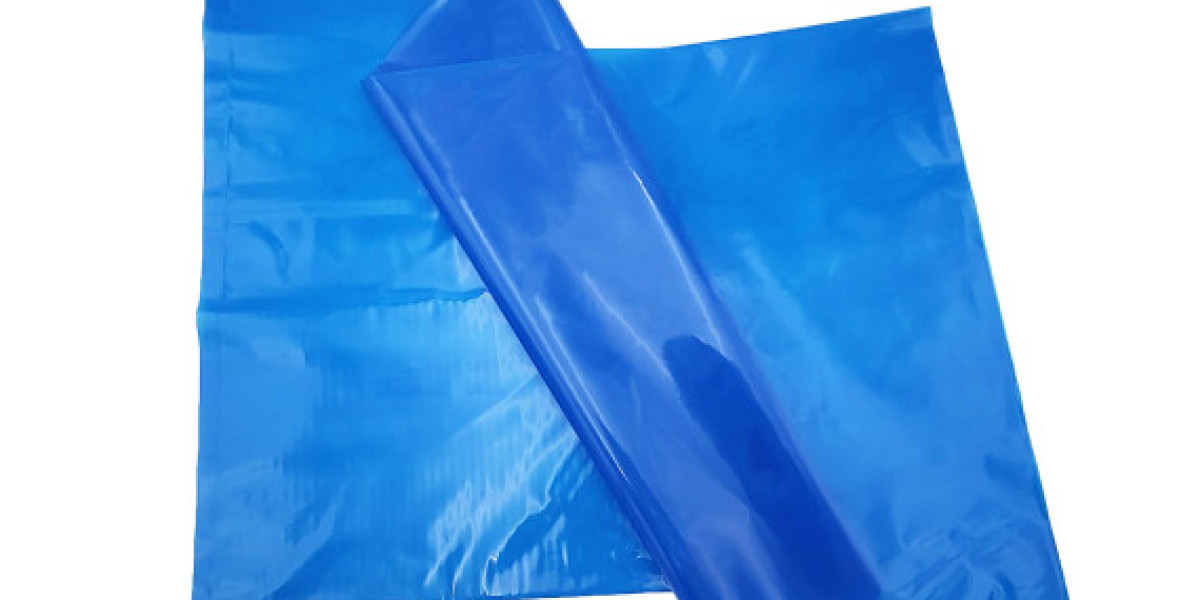

Low-density polythene bags, commonly known as Low-density polyethylene Bags, are widely recognised for their unique properties and broad range of applications. These bags are made from a type of plastic that is soft, lightweight, and flexible, making them suitable for various uses across different sectors. Their pliability ensures they can stretch without tearing, which is a notable advantage in many practical settings. Low-density polyethylene Bags also exhibit water-resistant qualities, which help protect their contents from moisture. Their non-reactive nature makes them safe for certain types of food packaging and other sensitive items. Furthermore, the material is easy to process, allowing for cost-effective production and customisation in terms of size, thickness, and design. The versatility and reliability of LDPE Bags have contributed significantly to their popularity in everyday and industrial contexts.
Manufacturing Process
The manufacturing process of low-density polythene bags involves transforming ethylene into polythene through a high-pressure polymerisation method. This process begins by heating ethylene gas to initiate the reaction, which forms polythene resin. The resin is then melted and processed using extrusion techniques, where it is shaped into a continuous tube of polythene film. Once formed, the film undergoes cooling and is subsequently cut and sealed to create individual bags of varying sizes and thicknesses.
Stringent quality control measures are implemented throughout the production stages to ensure consistency and durability. Advanced machinery enables efficient production, allowing for large-scale manufacturing while maintaining precision. The resulting material is known for its flexibility and strength, which contribute to its wide application in multiple sectors, including packaging, agriculture, and retail, where durability and customisation are crucial factors.
Environmental Impact
The environmental considerations surrounding low-density polythene bags highlight the need for responsible management. These bags, being non-biodegradable, contribute to long-term waste accumulation in landfills and natural environments if not properly disposed of. Recycling, although an option, presents challenges due to contamination and the specialised processes required for effective repurposing. Furthermore, improper disposal can lead to these materials entering ecosystems, potentially causing harm to wildlife and aquatic systems.
Despite these concerns, ongoing efforts are being directed towards reducing the environmental impact of Low-density polyethylene Bags through reuse initiatives and advancements in recycling technologies. Research into alternative materials and improved waste management practices aims to address the ecological concerns linked to polythene products. By focusing on reducing unnecessary waste and increasing efficiency in recycling systems, the environmental footprint of Low-density polyethylene Bags could be mitigated over time.
Advantages of Low-Density Polythene Bags
Low-density polythene bags possess qualities that make them practical across numerous sectors. Their lightweight structure ensures ease of handling and transport, reducing strain during use. The material's flexibility enables it to accommodate various shapes and sizes of items without tearing, providing reliable performance in diverse scenarios. Water resistance is another notable feature, offering protection against moisture and ensuring contents remain dry under appropriate conditions.
Their durability also contributes to their reuse potential, extending their utility beyond single-use purposes. Additionally, the smooth surface of these bags facilitates customisation, such as printing designs or branding, enhancing their functional and aesthetic appeal for specific applications. The combination of these attributes has made low-density polythene bags an integral part of modern packaging and storage solutions, meeting the requirements of both industrial and everyday settings.
Applications in Daily Life
Low-density polythene bags are utilised in numerous practical ways across daily life due to their lightweight and adaptable nature. They are often employed in household settings for organising and storing items, ensuring convenience and tidiness. Their moisture-resistant properties make them particularly suitable for carrying items such as damp clothing or toiletries.
Additionally, these bags are commonly used in travel scenarios to separate and protect belongings within luggage. In the context of waste management, they are widely used as bin liners, providing a hygienic solution for collecting and disposing of rubbish. Their flexibility allows them to accommodate various shapes and sizes, ensuring functionality in diverse situations.
Furthermore, their ability to be reused extends their practical value, making them a versatile and cost-effective option for multiple everyday tasks without compromising on ease of use.
Low-Density Polythene in Industry
Low-density polythene is extensively utilised across various industries due to its adaptable properties. In the packaging sector, it provides effective protection for goods by acting as a barrier against moisture, dust, and other external elements. LDPE is often used for stretch wraps and shrink films, ensuring the secure transportation of products. Within agriculture, it serves multiple purposes, such as mulching films, greenhouse coverings, and irrigation pipes, benefiting from its resilience to diverse weather conditions and long-lasting performance.
The construction industry also utilises LDPE for protective sheeting during projects, safeguarding materials and equipment from damage. Additionally, its insulating properties make it valuable in the electronics industry for protecting components during storage or transit. The ability to customise LDPE products further enhances their functionality, making them a reliable choice for specialised industrial applications.
Safety Considerations for Using LDPE Bags
Proper handling and usage of LDPE bags are necessary to prevent potential risks. When exposed to high temperatures, these bags can release substances that may affect food safety, making them unsuitable for storing hot or oily foods. Ensuring that they are kept away from direct heat sources or open flames is important, as the material is flammable and could contribute to fire hazards. During disposal, inadequate management can lead to environmental contamination, further underscoring the need for responsible waste practices.
In addition, exposure to sunlight over extended periods can cause the material to degrade, potentially weakening its structure and effectiveness. Adhering to established guidelines regarding their use and disposal can help in minimising potential safety and environmental concerns, thereby promoting their continued functionality in both everyday and specialised applications.
Regulations and Compliance
Regulations and compliance standards surrounding low-density polythene bags are designed to address both quality and environmental concerns. Manufacturing guidelines often focus on ensuring the safety and durability of materials, with international standards setting benchmarks for production processes. On a regional level, legislation increasingly targets the reduction of single-use plastics, including restrictions or bans in certain areas, to mitigate environmental impact.
Compliance requirements may include labelling standards, recycling targets, and adherence to waste management policies. These measures encourage responsible practices throughout the supply chain, from production to disposal. Additionally, manufacturers are adopting innovative approaches to meet regulatory expectations, including incorporating recycled content and improving the sustainability of their products, which aligns with broader environmental objectives.
Innovation in Polythene Technology
Advancements in polythene technology are fostering the development of materials with enhanced characteristics, tailored to meet evolving demands. Researchers are exploring the incorporation of additives to improve durability and resistance while maintaining the lightweight nature of low-density polythene. Efforts are being made to create formulations that enable better recyclability, addressing environmental concerns without compromising functionality.
Emerging technologies are also focusing on reducing the carbon footprint associated with production, incorporating renewable energy sources and optimising resource use. Additionally, research is being directed towards refining polymer structures to extend the lifespan of polythene products. These innovations aim to balance performance, cost-efficiency, and environmental considerations, showcasing the ongoing commitment to advancing polythene applications across various industries.
Cost and Accessibility
The affordability and availability of low-density polythene bags are influenced by factors such as production costs, raw material prices, and demand across various industries. As a widely utilised product, Low-density polyethylene Bags are generally produced on a large scale, which supports consistent supply and accessibility in many markets. However, fluctuations in petroleum prices, as the primary raw material for polythene, can affect their cost.
Additionally, increasing efforts to integrate recycled materials into production may lead to slight variations in pricing, depending on the technology and resources required. Despite these variables, advancements in manufacturing processes continue to enhance cost-efficiency, ensuring that Low-density polyethylene Bags remain a practical option for businesses and individuals seeking reliable and adaptable packaging solutions.
Public Perception and Awareness
Growing environmental concerns and the increasing emphasis on sustainability have significantly influenced the perception of low-density polythene bags. Public awareness campaigns have shed light on the environmental impact of improper disposal and the potential harm caused to ecosystems.
As a result, there is a shift in attitudes towards reducing single-use plastics and adopting practices such as reusing or recycling Low-density polyethylene Bags. Governments and organisations have also played a role in shaping perceptions by introducing policies and educational initiatives aimed at promoting responsible usage.
Additionally, advancements in polythene manufacturing, such as incorporating recycled materials, have contributed to addressing some concerns, helping to align these products with evolving consumer expectations for more sustainable and environmentally responsible materials.
Disposal and Waste Management
Proper disposal of low-density polythene bags requires effective systems to mitigate their environmental impact. Recycling infrastructure plays a crucial role, allowing used materials to be processed into new products. Efforts are also focused on encouraging the collection of LDPE waste through designated programmes, ensuring it is diverted from natural habitats and landfills.
Collaboration between industries and policymakers aims to enhance these systems, making waste management practices more efficient and sustainable while addressing concerns associated with plastic pollution.
Conclusion
In 2026, LDPE Bags remains a staple of the Australian supply chain, but its role has been redefined by the National Packaging Targets 2025. Australian businesses have moved away from "virgin-only" plastics, with the majority of Low-density polyethylene Bags now containing a minimum of 80% recycled content to meet local sustainability standards. While traditionally seen as a waste challenge, LDPE is now part of a sophisticated circular economy in Australia, where "soft plastic" is no longer sent to landfill but is instead reprocessed into durable outdoor furniture, bollards, and new packaging films, supporting a greener future across the continent.
Frequently Asked Questions
Can LDPE Bags be recycled in standard Australian kerbside bins?
Generally, no. In 2026, most Australian councils still require soft plastics like LDPE Bags to be kept out of the yellow lid kerbside bin because they jam the sorting machinery at Materials Recovery Facilities (MRFs). Instead, Australians should look for the Australasian Recycling Label (ARL) on the bag. If it says "Check Locally" or "Store Drop-off," the bag should be taken to a participating supermarket collection point or a specialist soft plastic recycling hub. Some innovative councils have introduced "Orange Bag" trials where soft plastics are bagged separately before being placed in the yellow bin, but this is not yet a nationwide standard.
What is the "Scrunch Test" for identifying Low-density polyethylene Bags in Australia?
The scrunch test is a simple way for Australian consumers to distinguish between "soft" and "hard" plastics. If the plastic bag or film can be easily scrunched into a ball in your hand and does not spring back to its original shape, it is classified as soft plastic, which is typically LDPE (Plastic Code 4) or PP (Plastic Code 5). Hard plastics, like milk bottles or margarine tubs, will resist scrunching or crack under pressure. This distinction is vital in 2026, as only soft plastics are eligible for specialised supermarket return programs, while hard plastics are destined for the standard yellow kerbside recycling bin.
Are there new Australian bans on LDPE "barrier bags" in 2026?
Yes, as of late 2025 and into 2026, several Australian states, including Western Australia and South Australia, have implemented bans on non-compostable plastic "barrier bags"—the thin Low-density polyethylene Bags used for loose fruit and veg. These have largely been replaced by certified compostable bags that meet Australian Standards AS 4736 (Industrial) or AS 5810 (Home Compostable). In 2026, retailers must ensure that any remaining Low-density polyethylene Bags for meat or dairy are at least 35 micrometres thick and designed for multiple reuses, aligning with the national move away from single-use, lightweight "fringy" plastic bags.
Is LDPE safe for storing hot food in Australian kitchens?
While LDPE is "food-safe" for room temperature or cold storage, it is generally not recommended for high-heat applications in Australia. LDPE has a relatively low melting point compared to other plastics like Polypropylene (PP). When exposed to boiling water or microwave heat, LDPE can soften or potentially leach chemicals into fatty or oily foods. In 2026, Australian food safety guidelines suggest using BPA-free containers or bags specifically labelled "Microwave Safe" for heating. For freezing or storing cold leftovers, however, LDPE remains an excellent, moisture-resistant choice for Australian households.
How does "Mono-Material" design help LDPE recycling in Australia?
In 2026, many Australian manufacturers have switched to mono-material packaging, which means the entire bag—including the seal and any labels—is made from the same grade of LDPE. Previously, bags often had different plastic linings or foil layers that made them impossible to recycle. By using a single material, the recycling process is simplified because the plastic can be melted down together without the risk of contamination from other polymers. This innovation has significantly boosted the quality of recycled LDPE pellets in Australia, making it easier to create "closed-loop" products like 100% recycled shipping satchels.
Related Business Listings |