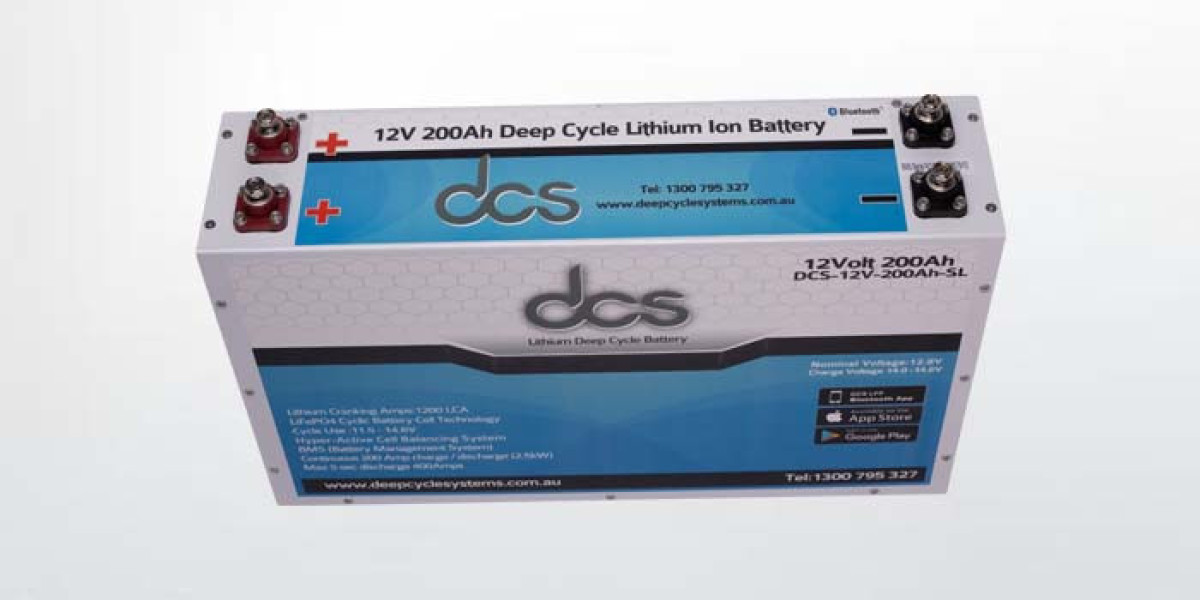

In today’s fast-paced industrial landscape, efficiency and sustainability are more than just buzzwords—they're essential for success. Enter lithium ion forklift battery, a game-changing innovation that’s revolutionizing material handling operations across the globe. But what exactly makes these batteries so powerful? From their lightweight design to their rapid charging capabilities, lithium-ion technology is not only transforming how businesses operate but also paving the way for a greener future. Join us as we dive deep into the inner workings of this cutting-edge battery technology, exploring its advantages, applications, and why it might be time for your fleet to make the switch!
What are Lithium-Ion Forklift Batteries?
Lithium-ion forklift batteries are a relatively new and advanced technology that is quickly gaining popularity in the material handling industry. These batteries offer numerous benefits over traditional lead-acid batteries, making them a highly sought-after option for companies looking to improve their efficiency and productivity.
So, what exactly are lithium-ion forklift batteries? Simply put, they are rechargeable power sources specifically designed to be used in electric forklifts. They use lithium-ion cells as their main energy storage component, which allows them to deliver reliable and consistent performance over extended periods of time.
One of the most significant advantages of lithium-ion forklift batteries is their high energy density. This means that they can store more energy while taking up less space compared to other types of batteries. As a result, these batteries have a smaller footprint and weigh significantly less than lead-acid batteries with the same capacity. This makes them ideal for electric forklifts that require quick and agile movements in tight spaces.
Moreover, lithium-ion forklift batteries have a longer lifespan compared to traditional lead-acid ones. While lead-acid batteries typically last around 1,500 cycles before needing replacement, lithium-ion batteries can last up to 5,000 cycles or more depending on usage and maintenance. This translates to fewer battery replacements over time, resulting in significant cost savings for businesses.
Advantages of Lithium-Ion Batteries for Forklifts
Lithium-ion batteries are revolutionizing the forklift industry with their remarkable advantages. These batteries offer a higher energy density compared to traditional options, meaning they can store more power in a smaller space.
This translates into longer operational hours and less downtime for charging. Companies using lithium-ion forklifts often notice increased productivity due to fewer interruptions in their workflow. Another significant benefit is the reduced maintenance requirement. Unlike lead-acid batteries, which need regular watering and equalization charges, lithium-ion units require minimal upkeep. This simplicity saves time and labor costs.
Moreover, these batteries operate efficiently across various temperatures, ensuring consistent performance whether you're indoors or outdoors. Their fast charging capability also means that you can quickly recharge during breaks without needing extensive infrastructure changes. Environmental considerations add another layer of appeal since lithium-ion technology generally has a lower carbon footprint than traditional alternatives.
How Does a Lithium Forklift Battery Work?
Lithium forklift battery operates through a fascinating electrochemical process. They consist of an anode, typically made from graphite, and a cathode composed of lithium metal oxide. When the battery is charged, lithium ions move from the cathode to the anode. During discharge, these ions travel back to the cathode through a liquid electrolyte. This movement generates electric current, powering your forklift's motor.
One key feature is their ability to cycle between charge and discharge efficiently. Unlike traditional batteries, they don’t suffer from memory effects that can diminish capacity over time. Moreover, built-in management systems monitor temperature and voltage levels for safety and longevity. These smart features ensure optimal performance in demanding environments like warehouses or manufacturing sites.
The combination of lightweight materials with advanced technology makes them highly effective for material handling applications where efficiency matters most.
Comparison to Traditional Lead-Acid Batteries
When comparing lithium-ion batteries to traditional lead-acid options, several key differences emerge. Lithium-ion batteries are lighter and more compact. This contributes to better energy efficiency in forklifts, allowing for longer operation periods without the need for frequent recharging.
Lead-acid batteries typically require extensive maintenance. They need regular water topping and can suffer from sulfation if not used correctly. In contrast, lithium-ion systems offer a maintenance-free experience that saves both time and costs.
Charging times also differ significantly. Lead-acid batteries can take hours to recharge fully, while lithium-ion units often reach full capacity in under an hour. This quick turnaround maximizes uptime on the warehouse floor.
The lifespan of these two technologies is another point of differentiation. While lead-acid batteries may last around 1,500 cycles with proper care, lithium-ion counterparts often exceed 5,000 cycles or more—providing substantial long-term savings on replacements and downtime.
Cost and Maintenance Considerations with lithium battery forklift
When evaluating lithium battery forklift, cost and maintenance are key factors. Initially, these batteries may seem more expensive than traditional lead-acid options. However, their longevity often justifies the investment.
Lithium-ion batteries typically last two to three times longer than lead-acid counterparts. This extended lifespan can translate into significant savings over time. Fewer replacements mean reduced costs in both purchasing and labor.
Maintenance is another area where lithium-ion shines. These batteries require minimal upkeep compared to lead-acid models that need regular water checks and equalization charging. With lithium-ion, operators can simply plug them in to recharge without worrying about maintaining electrolyte levels. Consideration of energy efficiency also plays a role here. Lithium-ion systems tend to be more efficient during charging cycles, leading to lower electricity bills for businesses over time. It's essential to weigh these financial aspects against operational needs when making your decision.
The Future of Forklift Battery Technology
The future of forklift battery technology is bright and evolving rapidly. With advancements in materials science, we may soon see batteries that charge faster and last longer. Innovations like solid-state batteries are on the horizon, promising increased energy density and safety.
Sustainability is also a key focus. Many companies are exploring eco-friendly alternatives to conventional lithium-ion setups. This shift could significantly reduce environmental impact while meeting growing regulatory demands. Smart technology integration is another exciting trend. Imagine forklifts equipped with IoT sensors that monitor battery health in real time, optimizing performance and extending lifespan automatically.
As industries adapt to electric solutions, the demand for efficient charging infrastructure will grow. Expect an increase in wireless charging options that enhance convenience for busy warehouses and distribution centers.
The next decade could reshape how businesses think about power sources, making operations smoother and more sustainable than ever before.
Tips for Properly Using and Maintaining lithium battery for forklift
Proper use and maintenance of lithium battery for forklift can significantly enhance their lifespan and performance. Start by ensuring that the charging environment is cool and dry. Extreme temperatures can adversely affect battery health. Regularly check for any signs of damage or wear on both the battery and its connections. This helps prevent unforeseen issues during operation.
Avoid deep discharging your batteries whenever possible. Keeping charge levels between 20% to 80% extends their overall life cycle. Implement a consistent charging routine, ideally after each shift, to keep batteries ready for use without risking overcharging.
Lastly, familiarize your team with best practices. Training ensures everyone understands how to handle these advanced systems safely and effectively. Knowledge is key in maximizing efficiency while minimizing risks associated with improper handling.
Common Misconceptions about 48v lithium ion forklift battery
Many people assume that 48v lithium ion forklift battery are prone to overheating and catching fire. While it’s true that any battery can be hazardous under certain conditions, modern lithium-ion technology includes robust safety features designed to prevent such incidents.
Another misconception is that these batteries require complex maintenance. In reality, they are low-maintenance compared to traditional lead-acid options. Occasional checks for proper functioning and cleanliness suffice.
Some believe lithium-ion batteries can't perform in extreme temperatures. However, advancements have improved their resilience significantly. They operate effectively across a broader temperature range than many think.
Cost is another area of confusion; some view the initial investment as prohibitively high without considering long-term savings on energy, labor, and replacement costs over time. Lastly, there's a belief that charging them frequently shortens their lifespan. In fact, they thrive on regular top-ups and don't suffer from memory effects like nickel-based batteries do.
Case Studies: Real-Life Examples of Companies Switching to Lithium-Ion Forklift Batteries
Several companies have made the leap to lithium-ion forklift batteries, reaping significant benefits. One notable example is a large warehouse operation that experienced increased productivity after switching. They found that their forklifts could run longer without downtime for charging.
Another company in manufacturing reported improved energy efficiency. With lithium-ion technology, they reduced their battery-related maintenance costs by over 50%. This shift allowed staff to focus on more critical tasks rather than worrying about frequent battery changes. In retail, a distribution center adopted these advanced batteries and noticed enhanced operational flexibility. The quick recharge times meant their fleet was always ready when needed.
These real-life examples highlight how diverse industries are embracing innovation in forklift technologies. Companies are not just improving performance—they're setting new standards for sustainability and cost-effectiveness in logistics operations.
Conclusion
Switching to lithium ion forklift battery can be a significant decision for any business. The advantages are clear, with benefits like faster charging times and reduced maintenance requirements standing out. Companies that make the switch often report increased uptime and productivity. However, it’s essential to assess your specific operational needs before making the transition. Consider factors such as usage patterns, budget constraints, and existing infrastructure. While initial costs may be higher than traditional lead-acid batteries, the long-term savings in maintenance and energy efficiency could offset this investment.
FAQs
1. What is a lithium ion forklift battery?
A lithium ion forklift battery is a type of rechargeable battery that uses lithium ions as the primary component of its electrochemical reaction. These batteries are commonly used in forklifts due to their high energy density and longer lifespan compared to traditional lead-acid batteries.
2. How does a lithium-ion forklift battery work?
Lithium-ion forklift batteries use an anode (positive electrode) made of carbon and a cathode (negative electrode) made of metal oxide, separated by an electrolyte solution. When the battery is charged, lithium ions move from the cathode to the anode through the electrolyte, creating electricity. When the battery is discharged, this process reverses and the lithium ions move back to the cathode.
3. What are the advantages of using a lithium-ion forklift battery?
There are several advantages to using a lithium-ion forklift battery compared to other types of batteries. Firstly, they have a longer lifespan and can last up to five times longer than lead-acid batteries. They also have a higher energy density, meaning they can store more power in a smaller size, making them ideal for compact spaces like warehouses or storage facilities. Additionally, these batteries do not require maintenance like watering or equalization charges, saving time and money on upkeep.
Related Business Listings |