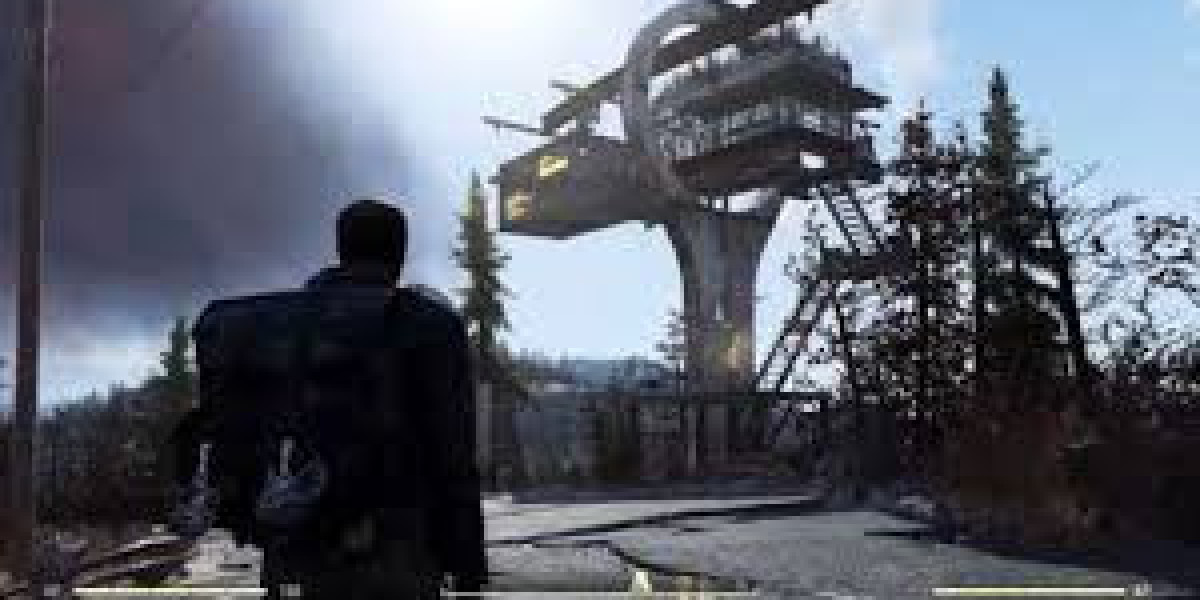

Fallout 76 begins with a simple but powerful idea: what if you were among the first to step back into the world after nuclear devastation? As the doors of Vault 76 open on Reclamation Day, players enter Appalachia not as hardened wasteland veterans, but as pioneers carrying the responsibility of rebuilding. This early placement in the timeline gives Fallout 76 a distinct tone, blending uncertainty with cautious optimism.
Appalachia itself is one of the game’s strongest achievements. The region feels expansive and varied, filled with dense forests, crumbling towns, abandoned factories, and eerie amusement parks. Each area carries traces of the old world. Through environmental storytelling—notes, holotapes, terminal entries, and visual details—players uncover the fates of those who tried and failed to survive the aftermath. Exploration is not just about loot; it is about piecing together history. The quiet moments, when wind moves through broken buildings and distant creatures cry out, are often as memorable as combat encounters.
Survival mechanics reinforce the harshness of this new frontier. Players must manage hunger, thirst, radiation, and the durability of their equipment. Scavenging becomes essential, and crafting plays a central role in long-term progress. Weapons and armor can be modified and repaired, encouraging players to gather resources carefully and plan ahead. The loop of exploring, collecting, crafting, and venturing back out creates a rhythm that defines daily life in the wasteland.
Unlike previous entries in the series, Fallout 76 exists in a shared online world. Other players roam the same map, and their presence changes the atmosphere dramatically. A distant silhouette might be a threat, a trader, or a potential ally. Public events scattered across Appalachia draw groups together to face powerful enemies or defend key locations. These moments of cooperation create dynamic, unscripted stories that feel personal and unpredictable.
Character development remains rooted in the familiar SPECIAL system. Through perk cards and attribute allocation, players shape their identity in the wasteland. Some choose to become heavily armored frontline fighters, while others focus on stealth, sniping, or support roles such as crafting and trading. The flexibility of builds encourages experimentation and adds replay value. Over time, a fragile vault dweller can grow into a capable and confident survivor.
The Wastelanders update significantly expanded the game’s narrative depth. Human NPCs returned to Appalachia, introducing dialogue choices, faction conflicts, and branching questlines. Settlers and Raiders each offer their own vision of the future, and players must decide whom to trust. These additions restored more traditional role-playing elements while preserving the online foundation of the experience.
Base-building through the C.A.M.P. system captures the heart of Fallout 76. Players can establish homes, markets, or fortified outposts almost anywhere. These creations symbolize resilience. In a world defined by destruction, building something stable becomes an act of hope.
EZNPC Fallout 76 ultimately tells a story about renewal. Through cooperation, creativity, and determination, the ruins of the old world become the foundation for something new.