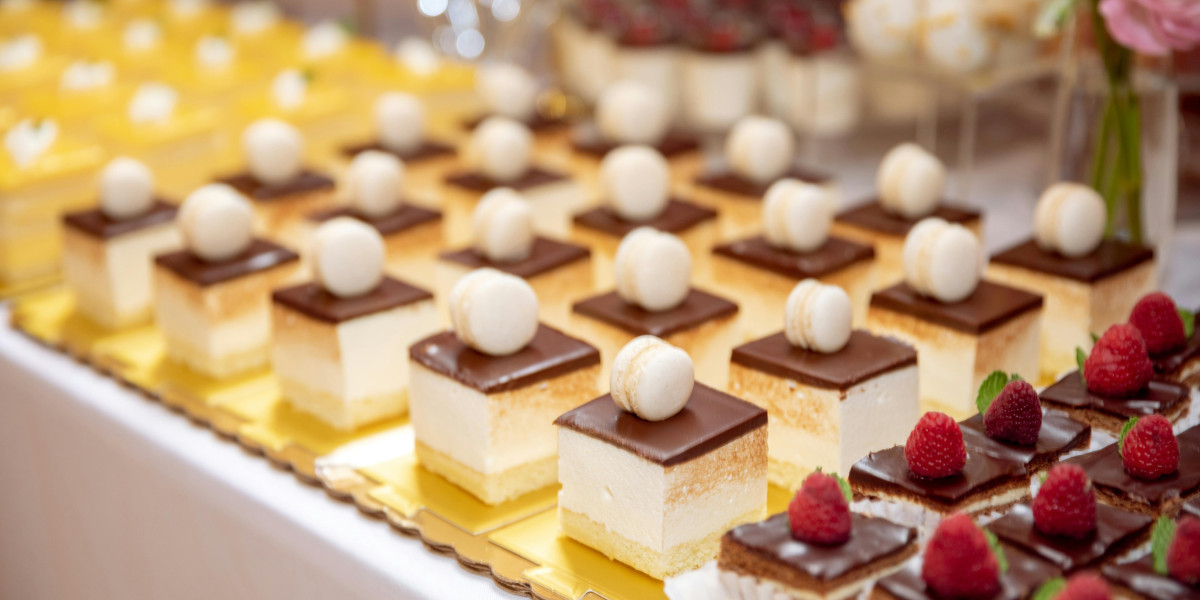
Baking a cheesecake without a springform pan is easier than most people think. With the right approach, smart preparation, and a few creative techniques, it is possible to achieve a smooth, creamy, and professional result using tools already in the kitchen. This guide explains practical, proven methods to bake a perfect cheesecake recept even when the traditional pan is not available, without compromising texture, taste, or presentation.
Why a Springform Pan Is Helpful—but Not Mandatory
Springform pans are popular because they make unmolding simple. However, they are not the only option. Cheesecake is forgiving when baked and handled correctly. The key lies in preparation, lining, and cooling. When these steps are done right, many common pans can work just as well.
This opens the door for flexibility. Home bakers, small kitchens, and last-minute baking plans no longer need to stop because of one missing tool.
Using a Standard Round Cake Pan
How to Prepare It Correctly
A standard round cake pan is one of the best substitutes for a springform pan. The most important step is lining it properly.
Line the bottom with parchment paper
Extend parchment up the sides if possible
Lightly grease the paper
This setup creates a clean barrier between the cheesecake and the pan.
How to Remove the Cheesecake Safely
After baking and full chilling, place the pan briefly in warm water. This loosens the edges. Run a thin knife around the sides, place a plate on top, invert, then flip again onto a serving plate.
Best Results For
Classic baked cheesecakes
Firm, dense textures
Clean slices
Baking in a Square or Rectangular Pan
Why This Works Well
Square and rectangular pans offer straight edges and easy slicing. They are ideal for cheesecake bars and modern presentations.
Preparation Tips
Fully line the pan with parchment paper
Leave overhang on all sides
Press crust evenly into corners
The parchment overhang allows the cheesecake to lift out easily after chilling.
Advantages
Easy portion control
Simple removal
No flipping required
This method is especially popular for no-fuss baking and clean presentation.
Using a Loaf Pan for Small Cheesecakes
Perfect for Small Batches
Loaf pans work well for smaller cheesecakes or test recipes. They are deep enough to support creamy textures and bake evenly.
How to Set It Up
Line with parchment paper, long sides only
Leave handles for lifting
Reduce recipe size to avoid overflow
Ideal Uses
Mini cheesecakes
Flavor testing
Small households
This approach is practical, efficient, and beginner-friendly.
Glass Baking Dishes as a Reliable Option
Why Glass Works
Glass baking dishes hold heat well and bake evenly. They are widely available and easy to prepare.
Important Considerations
Lower oven temperature slightly
Expect longer bake time
Always line with parchment
Glass retains heat longer, so gentle cooling is important to avoid cracks.
Best For
No-bake cheesecakes
Baked cheesecakes with water bath
Casual, rustic presentation
Muffin Tins for Individual Cheesecakes
Single-Serve Advantage
Muffin tins are perfect for individual cheesecakes. They bake faster and cool quickly.
How to Use Them Properly
Use paper liners
Press crust firmly
Fill evenly
Why This Method Is Effective
No unmolding stress
Consistent portions
Great for events and parties
This option delivers professional-looking results with minimal effort.
Water Bath Without a Springform Pan
Yes, It Still Works
A water bath is not limited to springform pans. Any heat-safe pan can be placed inside a larger roasting pan filled with hot water.
Tips for Success
Wrap the pan base in foil if needed
Use hot water, not boiling
Fill halfway up the pan sides
This technique keeps heat gentle and prevents cracking.
Cooling and Chilling: The Most Critical Step
Why Cooling Matters More Without a Springform Pan
Sudden temperature changes cause sticking and cracking. Slow cooling protects texture and structure.
Best Cooling Process
Turn off oven and crack the door
Cool for one hour inside
Move to room temperature
Chill at least 4 hours, preferably overnight
Patience here guarantees clean removal later.
Common Mistakes to Avoid
Skipping Parchment Paper
This is the biggest error. Always line the pan.
Overfilling the Pan
Leave space at the top to prevent overflow.
Removing Too Early
Cheesecake must be fully chilled before removal.
Avoiding these mistakes ensures success without specialized equipment.
Presentation Tips Without a Springform Pan
Simple Finishing Touches
Fresh fruit
Light glaze
Whipped cream borders
Even if baked in a simple pan, the final look can be elegant and professional.
Why These Methods Work Consistently
Cheesecake relies on controlled heat, stable structure, and proper cooling. The pan shape matters less than preparation. When lined, baked gently, and chilled fully, almost any pan can deliver excellent results.
This flexibility empowers bakers to focus on flavor and creativity instead of tools.
Final Thoughts: Bake with Confidence, Not Limitations
A missing springform pan should never stop a great cheesecake from happening. With smart alternatives, proper lining, and careful handling, baking without one is not a compromise. It is simply another method that works.
These creative approaches make cheesecake baking accessible, practical, and reliable. With the right techniques, every kitchen becomes capable of producing smooth, creamy, and impressive cheesecakes—no special pan required.