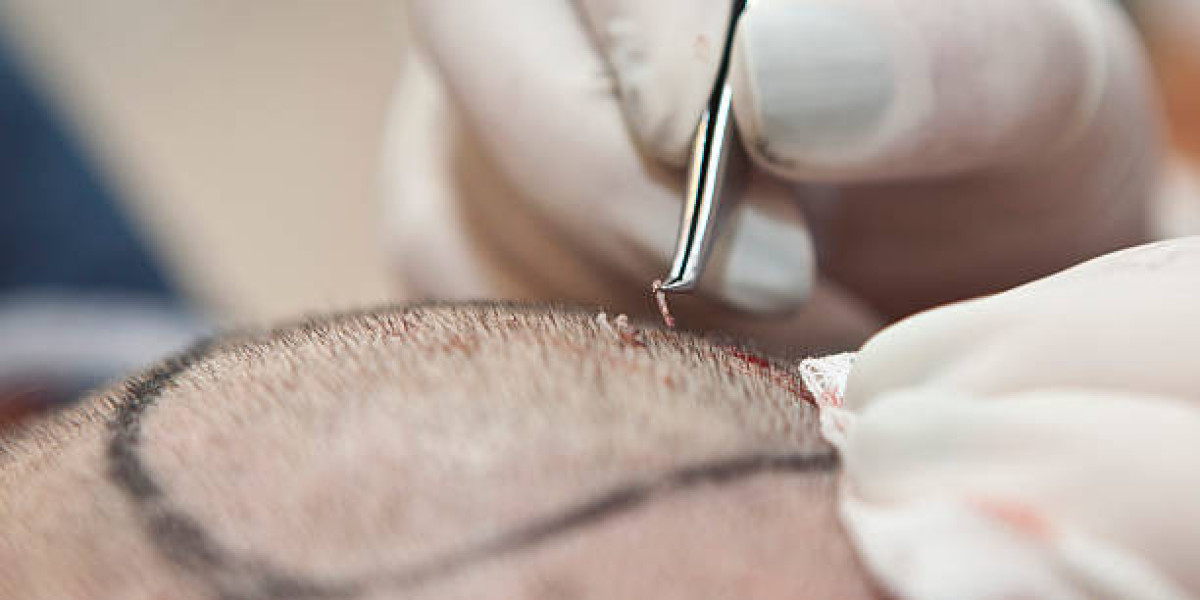

Undergoing a hair transplant Abu Dhabi is a highly safe, minimally invasive procedure, yet it remains a surgical intervention that triggers a biological response. In 2026, clinical advancements have significantly reduced the "severity" of post-operative symptoms, but understanding the potential side effects is essential for a stress-free recovery. Most side effects are temporary "healing indicators"—signs that the body is successfully integrating the new grafts and repairing the micro-incisions.
At the clinical level, we prioritize "proactive symptom management," providing patients with the tools and knowledge to handle common issues like swelling or itching before they become uncomfortable.
Common and Expected Side Effects
What are the most common side effects after a hair transplant?
Most patients experience a predictable set of symptoms in the first 7 to 14 days. In clinical settings, we observe that these are not "complications" but rather standard phases of the scalp's regenerative process.
The 2026 "Healing Indicators":
Post-Operative Edema (Swelling): Generally appearing around the forehead and eyes on day 2 or 3. This is caused by the local anesthetic and the "tumescent fluid" used to lift the skin during surgery.
Folliculitis (Red Bumps): Small, pimple-like bumps that may appear in the 3rd or 4th month as new hairs struggle to break through the skin surface.
Temporary Numbness: A "wooden" or "heavy" sensation in the scalp caused by the temporary disruption of microscopic nerve endings.
Shock Loss: The temporary shedding of existing or transplanted hair shafts approximately 3 to 6 weeks after the procedure. This is a physiological "reset" and is not permanent.
The Patient Experience: Sensory Roadmap
What do these side effects actually feel like?
Understanding the sensory nature of side effects helps distinguish between normal healing and issues that require clinical attention.
The "Tightness" Sensation: For the first 48 hours, the scalp feels like it is wearing a "tight cap." This is the combination of minor swelling and the skin's natural contraction during wound closure.
The "Healing Itch": Between days 5 and 10, the scalp can feel "ticklish" or itchy. Based on post-procedure follow-ups, this is often the most irritating side effect, but it is a positive sign of nerve and tissue repair.
The "Shock Loss" Anxiety: While not physically painful, the sensation of seeing hair fall out during washing in month one can be psychologically jarring. It is important to remember that the "root" remains safe beneath the skin.
2026 Side Effect Management Benchmark
| Side Effect | Traditional Management | 2026 Advanced Protocol |
| Forehead Swelling | Passive waiting | Anti-gravity bands & Cold Compress |
| Scalp Itching | Oral Antihistamines | Chilled Isotonic Saline Sprays |
| Folliculitis | Antibiotic creams | LED Light Therapy & Warm Compress |
| Numbness | 6–12 months duration | 3–6 weeks (via Micro-FUE tools) |
| Infection Risk | Moderate | Ultra-Low (<0.5%) via Sterile DHI |
Clinical Insights on Safety
"I woke up on day three with a bit of swelling around my eyes. I called the clinic, and they reminded me it was just the fluids moving down. I used the headband they gave me, and it was gone by day five. Knowing it was normal kept me from panicking." — Ahmad
"The itching was the hardest part for me around day seven. The cooling spray was a lifesaver. It numbed the 'tickle' immediately so I wouldn't touch the grafts. By the second week, everything felt completely back to normal." — Christopher
Frequently Asked Questions
Is "Shock Loss" permanent?
No. Shock loss is a temporary shedding of the hair shaft while the follicle enters a resting phase. In 2026, we observe that 100% of these follicles return to the growth phase within 3 to 4 months.
How do I prevent an infection?
Infection is extremely rare in modern clinics. We provide a "Sterile Aftercare Kit" and a specialized washing protocol. Avoiding dusty environments and not touching the grafts with unwashed hands for the first 7 days is usually sufficient.
Will the numbness go away?
Yes. The microscopic nerves in the scalp are highly resilient. While some areas might feel "dull" for a few weeks, full sensation almost always returns as the tissue completely settles.
Can side effects be avoided entirely?
While we cannot stop the body's natural inflammatory response, our 2026 "Minimally Invasive" techniques (like Sapphire FUE) cause significantly less trauma, meaning side effects are much milder than they were a decade ago.
Why Choose Tajmeels Clinic
At Tajmeels Clinic, your safety and peace of mind are our primary metrics of success. Our approach to a hair transplant in Abu Dhabi is built on a foundation of clinical transparency and 2026’s most rigorous safety protocols.
Our male and female-led specialist teams provide a dedicated "24/7 Recovery Support" line, ensuring that any side effect you experience is managed with professional guidance. We provide a private, luxury environment where your transformation is supported by 2026’s highest medical standards. We are dedicated to providing a clinical experience that leaves you with a profoundly clear, naturally dense, and expertly managed head of hair.