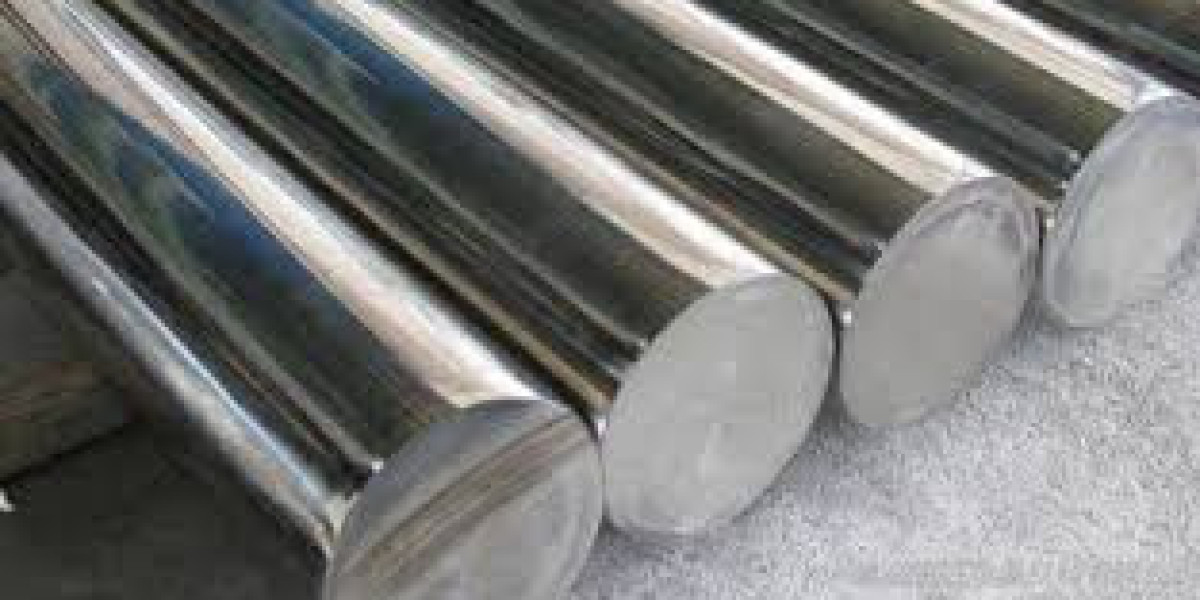

Stainless Steel 316 welded pipes are widely used in industries that require excellent corrosion resistance, strength, and durability. Manufactured by rolling stainless steel plates or coils and welding the seam, these pipes provide a reliable and cost-effective solution for fluid transport in chemical, marine, pharmaceutical, and food processing environments.
Grade 316 stainless steel contains molybdenum, which significantly improves resistance to chlorides, acids, and harsh industrial chemicals.
What Are Stainless Steel 316 Welded Pipes?
Stainless Steel 316 welded pipes are produced by forming flat stainless steel sheets or coils into a cylindrical shape and joining the edges through welding. After welding, the pipe undergoes finishing processes such as heat treatment, pickling, and polishing to improve corrosion resistance and surface quality.
These pipes are commonly used where corrosion resistance, cleanliness, and moderate pressure handling are required.
Chemical Composition of Stainless Steel 316 (Typical %)
| Element | Composition |
|---|---|
| Chromium (Cr) | 16.0 – 18.0 |
| Nickel (Ni) | 10.0 – 14.0 |
| Molybdenum (Mo) | 2.0 – 3.0 |
| Carbon (C) | 0.08 max |
| Manganese (Mn) | 2.0 max |
| Silicon (Si) | 1.0 max |
| Phosphorus (P) | 0.045 max |
| Sulfur (S) | 0.03 max |
| Iron (Fe) | Balance |
Key Features
Excellent corrosion resistance in chloride environments
High strength and durability
Good weldability and formability
Suitable for high-temperature applications
Smooth internal surface for hygienic flow systems
Cost-effective compared to seamless pipes for many uses
Common Applications
Chemical Processing
Used for transporting corrosive chemicals and solvents.
Marine and Offshore
Ideal for seawater systems and coastal installations.
Food and Beverage Industry
Suitable for hygienic processing lines.
Pharmaceutical Industry
Used in clean and sterile fluid transfer systems.
Heat Exchangers and Condensers
Handles high temperatures and corrosive fluids.
Typical Specifications
| Parameter | Details |
|---|---|
| Material Grade | Stainless Steel 316 |
| Standards | ASTM A312, ASTM A358, ASTM A554 |
| UNS Number | S31600 |
| Size Range | 1/8” NB to 48” NB (custom sizes available) |
| Wall Thickness | SCH 5 to SCH 160, XS, XXS |
| Manufacturing Method | Welded |
| Surface Finish | Pickled, Annealed, Polished, Mill Finish |
| End Type | Plain End, Beveled End, Threaded |
Advantages of SS 316 Welded Pipes
Better corrosion resistance than SS 304
Suitable for marine and chemical environments
Lower cost compared to seamless pipes in large diameters
Easy fabrication and installation
Long service life with minimal maintenance
Conclusion
Stainless Steel 316 welded pipes are a dependable choice for industries that require corrosion resistance, strength, and hygienic performance. Their molybdenum content enhances resistance to aggressive chemicals and marine conditions, making them suitable for a wide range of industrial applications.
With proper material selection and installation, SS 316 welded pipes provide reliable, long-lasting performance in chemical, food, pharmaceutical, and marine systems.