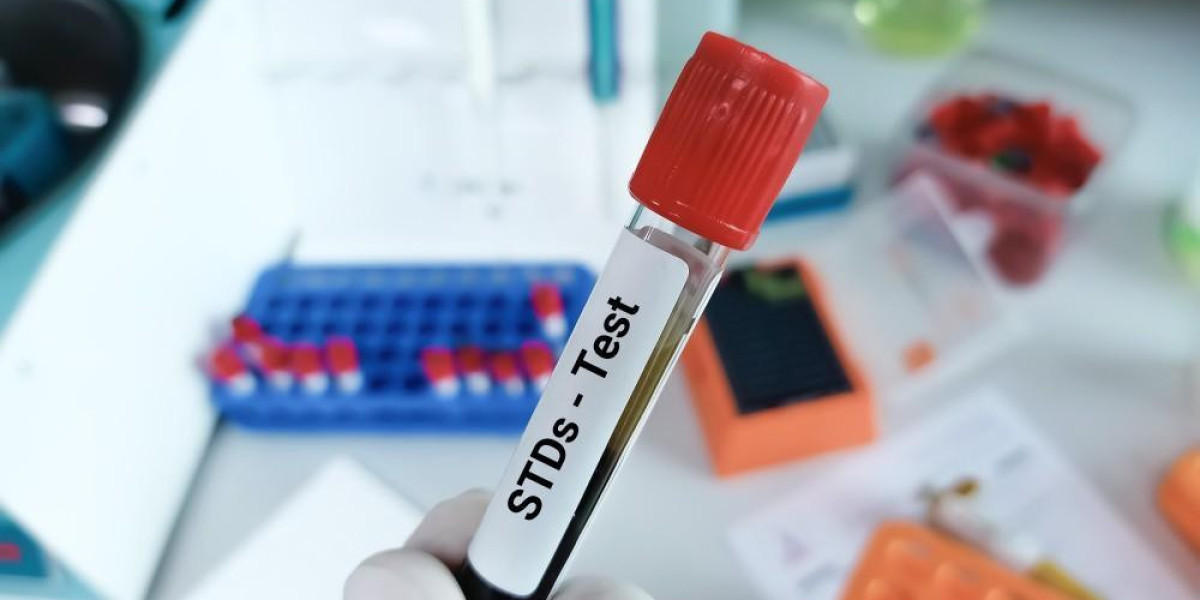

Booking an STD Test in Dubai often comes with one pressing concern: How accurate are the results? Many patients worry about false negatives, incorrect timing, or whether one test can truly detect infections like HIV, syphilis, or chlamydia. In clinical practice, accuracy depends not only on the laboratory method but also on choosing the right test at the right time. Modern screening technologies are highly reliable when used appropriately. This guide explains how testing works, what affects accuracy, real patient sensations during sampling, and what to realistically expect before and after your appointment.
Which Infections Are Commonly Screened?
A standard STD panel often includes:
HIV (4th generation antigen/antibody test)
Syphilis (RPR or VDRL with confirmatory testing)
Chlamydia (NAAT testing)
Gonorrhea
Hepatitis B and C
Testing is selected based on exposure type and timing—not simply bundled automatically.
How Accurate Is HIV Testing?
Can modern HIV tests miss infection?
Modern 4th-generation HIV tests are highly accurate when performed after the appropriate window period. These tests detect both antibodies and p24 antigen, allowing earlier detection than older methods.
In clinical observation:
Detection is possible as early as 2–4 weeks post-exposure
Accuracy significantly improves after 6 weeks
False negatives usually occur only when testing too early
Repeat testing may be recommended if exposure was recent.
How Reliable Is Syphilis Screening?
Do syphilis tests ever give false results?
Syphilis testing uses a two-step method: a screening test followed by confirmatory testing if needed. False positives can occur in rare medical conditions, which is why confirmation is essential.
In clinical settings, proper follow-up ensures diagnostic clarity rather than confusion.
Early detection prevents long-term complications.
How Is Chlamydia Detected So Accurately?
Why is NAAT considered the gold standard?
NAAT (Nucleic Acid Amplification Testing) identifies the genetic material of the bacteria. It is highly sensitive and specific, making it the preferred test worldwide.
For most patients:
A urine sample is sufficient
Vaginal swabs may be recommended for women
Results are available within a few days
Accuracy improves when testing is done at least 1–2 weeks after exposure.
What Happens During Sample Collection?
Does the test feel uncomfortable?
Blood testing causes a brief needle pinch lasting seconds. Urine tests involve no discomfort. Swab tests may cause mild temporary pressure.
Patients often report that anticipation feels worse than the actual procedure.
Based on post-visit feedback, discomfort is short-lived and tolerable.
What Can Affect Test Accuracy?
Accuracy depends on several key factors:
Timing after exposure
Correct sample collection
Laboratory quality standards
Patient preparation (e.g., avoiding urination before certain tests)
For example, urinating shortly before a urine chlamydia test may slightly reduce bacterial concentration.
Doctors provide clear preparation instructions to maintain reliability.
Understanding Window Periods
Window periods are critical for accurate interpretation.
General guidance:
HIV: reliable detection after 4–6 weeks
Syphilis: typically 3–6 weeks
Chlamydia: about 1–2 weeks
Testing too early can result in false reassurance. In clinical practice, repeat testing is sometimes advised for confirmation.
What Are Patients Most Afraid Of?
In consultations, we commonly hear:
Fear of inaccurate results
Fear of false positives
Anxiety about confidentiality
Concern about painful procedures
One patient, Nadia, 30, shared:
"I was scared the test would be wrong or that I’d have to retest multiple times. The doctor explained the timing clearly, and that helped me relax."
Another patient, Yusuf, 35, said:
"I thought the swab would be painful. It was uncomfortable for a few seconds, but honestly very manageable."
Is There Any Downtime After Testing?
There is no medical downtime.
Patients can:
Return to work immediately
Exercise normally
Continue daily routines
The only waiting period involves lab processing—not physical recovery.
What If a Result Is Positive?
A positive result does not mean the situation is uncontrollable.
Most bacterial infections such as chlamydia and early syphilis are treatable with antibiotics. HIV is medically manageable with modern therapy, allowing individuals to live long, healthy lives.
Treatment plans typically include:
Prescription medication
Follow-up testing
Partner notification guidance
Monitoring if required
Early diagnosis leads to better outcomes.
Comparison of Common STD Tests
| Infection | Test Method | Detection Time After Exposure | Accuracy When Timed Properly |
|---|---|---|---|
| HIV | 4th Gen Blood Test | 4–6 weeks | Very high |
| Syphilis | Blood Test (RPR + Confirmatory) | 3–6 weeks | High with confirmation |
| Chlamydia | NAAT (Urine/Swab) | 1–2 weeks | Very high |
Accuracy is strongly linked to proper timing.
Can You Test Too Often?
Testing too early may require repetition. However, testing too late increases risk of complications.
In clinical practice, individualized timing provides the best balance between reassurance and reliability.
Are STD Tests Truly Confidential?
Licensed healthcare facilities follow strict confidentiality standards. Results are disclosed only to the patient unless legally required otherwise.
Patient privacy remains a core ethical principle in medical practice.
Why Choose Us
At Tajmeels Clinic, STD screening follows evidence-based diagnostic protocols with precise test selection and strict confidentiality. Each patient receives individualized assessment to ensure optimal timing and accurate detection of HIV, syphilis, chlamydia, and related infections. The focus remains on clarity, medical accuracy, and supportive follow-up care.
Frequently Asked Questions
Can I rely on a single STD test?
Yes, if performed at the correct time after exposure. However, repeat testing may be advised if exposure was recent.
Is urine testing enough for chlamydia?
For most men, yes. For women, vaginal swabs may provide slightly higher accuracy depending on symptoms.
How long should I wait after exposure before testing?
It depends on the infection. Some tests are reliable after two weeks, while others require up to six weeks for accurate detection.
Can medications affect STD test results?
Most common medications do not interfere with testing. However, antibiotics taken before testing may affect bacterial detection.
What should I do while waiting for results?
Avoid unprotected sexual activity until results are confirmed to reduce potential transmission risk.
Final Thoughts
An STD Test in Dubai for HIV, syphilis, and chlamydia is a medically straightforward and highly accurate process when properly timed. In clinical practice, most anxiety stems from uncertainty—not the procedure itself. Early and accurate screening provides clarity, protects partners, and supports long-term health.