
Maintaining hygiene standards is crucial in creating safe and healthy work environments, particularly in industries where exposure to hazards is common. Personal Protective Equipment (PPE) designed for hygiene purposes acts as a barrier, reducing the risk of contamination and injury in various settings. It is a fundamental component in industries such as healthcare, food production, manufacturing, and scientific research, where safety protocols are highly regulated. Hygiene product is specifically tailored to address the unique challenges of these environments, helping to prevent the spread of harmful substances and safeguarding individuals from potential risks. Its importance extends beyond individual protection, as it also plays a critical role in maintaining operational safety and public health standards. By understanding its applications and significance, organisations can prioritise measures that promote workplace safety and minimise exposure to hazardous conditions.
Understanding Hygiene PPE: Definition and Components
Hygiene PPE encompasses specialised equipment and clothing designed to minimise exposure to health and safety risks in various professional settings. Its components are carefully selected based on the specific requirements of the environment and the nature of potential hazards. Common examples include gloves for protecting hands from contaminants, masks for shielding against airborne particles, and gowns or coveralls for full-body protection. Eye protection, such as goggles or face shields, is essential in scenarios involving splashes or hazardous substances, while shoe coverings maintain cleanliness in controlled environments.
Each component is designed to address particular risks, ensuring comprehensive coverage and safety. The suitability of these items depends on factors such as the materials used, durability, and the level of protection required. When implemented effectively, hygiene PPE contributes significantly to maintaining both individual and workplace safety standards across diverse industries.
Significance of Hygiene PPE in Health Care
Hygiene PPE is essential in healthcare environments to protect medical staff and patients from exposure to infectious agents and contaminants. By serving as a physical barrier, items such as gloves, masks, and gowns help minimise the spread of pathogens during medical procedures and patient care. These protective measures are particularly important in preventing healthcare-associated infections, which can have serious consequences for vulnerable patients.
The equipment also allows healthcare professionals to handle bodily fluids, hazardous substances, and sterile environments safely, reducing occupational risks. In high-risk scenarios, additional PPE, such as respirators and face shields, provides enhanced protection against airborne particles. The consistent use of hygiene PPE is integral to infection control protocols, ensuring adherence to safety regulations while supporting the well-being of both healthcare providers and those receiving care in medical settings.
Hygiene PPE in the Food Industry
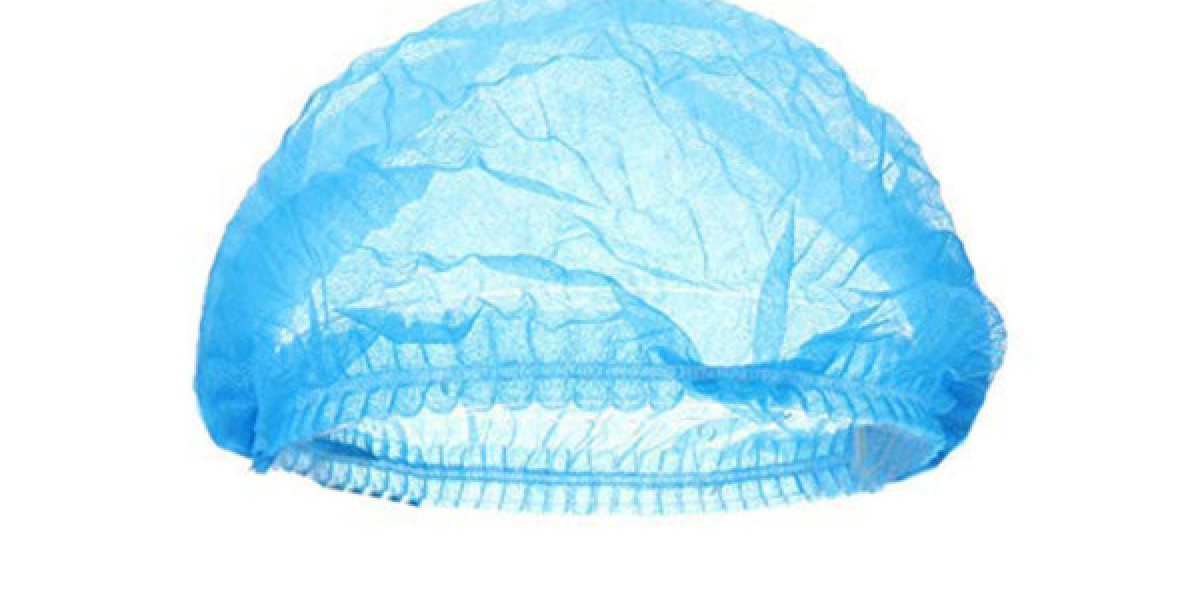
The food industry relies on hygiene PPE to maintain strict cleanliness standards and prevent contamination during food preparation, processing, and packaging. Items such as gloves, masks, hairnets, and aprons serve to minimise the risk of introducing foreign substances or harmful microorganisms into food products.
By acting as a protective barrier, hygiene PPE ensures that workers do not inadvertently transfer contaminants from themselves to the production environment or the products being handled. Protective clothing also plays a role in upholding the sanitary conditions required by food safety regulations, ensuring compliance with legal and industry standards.
Additionally, the use of footwear coverings helps to maintain a controlled environment, especially in areas where sterility is paramount. Properly implemented hygiene PPE protocols contribute to the production of safe, high-quality food, reducing the likelihood of contamination and fostering consumer confidence in the food supply chain.
Role of Hygiene PPE in Manufacturing
Hygiene PPE plays a vital role in manufacturing by safeguarding workers and preserving product quality. Protective items such as gloves, goggles, respiratory masks, and specialised clothing are utilised to shield employees from exposure to hazardous materials, including chemicals, dust, and sharp objects. The implementation of hygiene PPE ensures compliance with health and safety regulations while maintaining sterile conditions in environments where cleanliness is critical.
Properly designed equipment contributes to reducing workplace incidents and minimising risks linked to physical, chemical, or biological hazards. Additionally, the use of hygiene PPE supports production processes by preventing contamination of products, which is particularly important in industries such as pharmaceuticals, electronics, and food manufacturing. Ensuring workers have access to well-maintained and appropriate hygiene PPE is essential for fostering safe and efficient operations in manufacturing settings.
Hygiene PPE in Laboratories
Laboratories require the use of hygiene PPE to maintain safety and prevent contamination when working with chemical, biological, or hazardous materials. Essential items include gloves, lab coats, safety goggles, and respirators, each chosen based on the specific risks present. This protective equipment shields laboratory personnel from harmful exposures while ensuring a controlled and sterile environment.
Properly selected hygiene PPE reduces the risk of accidental spills, splashes, or contact with hazardous substances, safeguarding both the individual and the integrity of the work conducted. The use of PPE in laboratories is aligned with strict safety protocols, ensuring that research and experiments are carried out under conditions that minimise risks and maintain high standards of health and safety.
Materials Used in Hygiene Product
Hygiene product is manufactured using materials specifically chosen for their protective properties, durability, and suitability for various environments. Nitrile and latex are frequently used for gloves, providing resistance to punctures and chemicals while maintaining dexterity. Polypropylene is a common material for masks and gowns, offering a lightweight yet effective barrier against fluids and particles.
Materials like Tyvek are utilised for coveralls due to their robust and breathable characteristics, ensuring comprehensive protection. For eye protection, polycarbonate is often employed for its impact resistance and clarity. The selection of materials is guided by the required level of protection, with an emphasis on balancing comfort and functionality to promote consistent usage in demanding professional settings.
Proper Usage and Disposal of Hygiene PPE
Adhering to established procedures for the use and disposal of hygiene PPE is essential for ensuring both safety and environmental responsibility. Proper use involves selecting PPE tailored to specific tasks, inspecting items for damage before use, and following correct donning and doffing techniques to minimise contamination risks. Regular replacement of disposable items, such as gloves and masks, is critical to maintaining effectiveness.
Disposal practices should comply with relevant regulations, including segregating contaminated PPE from general waste and using designated bins for hazardous materials. Employers are encouraged to provide clear instructions and training on these protocols to support compliance. Implementing stringent measures for hygiene, PPE handling, and disposal protects individuals and helps maintain clean and secure environments.
Hygiene PPE Regulations and Standards
Regulations and standards for hygiene PPE establish clear guidelines to ensure its reliability and effectiveness in safeguarding individuals across various industries. These directives define the performance criteria that PPE must meet, such as resistance to biological, chemical, or physical hazards, and specify requirements for design and construction.
Standards also mandate rigorous testing processes to evaluate factors like durability, barrier protection, and comfort under specific conditions. Regulatory bodies provide certification to verify compliance, enabling organisations to select equipment that meets established benchmarks.
Adherence to these regulations not only supports workplace safety but also ensures legal compliance. Such measures are critical in promoting the consistent use of high-quality hygiene PPE to minimise risks in professional environments.
Training for Effective Hygiene PPE Use
Training ensures that individuals can effectively utilise hygiene PPE to maximise safety and compliance in various professional environments. Programmes often cover the correct methods for selecting, donning, and removing protective equipment to minimise contamination risks. Workers are also instructed on inspecting items for wear or damage to maintain functionality.
Practical demonstrations and hands-on practice sessions are used to reinforce the correct handling of PPE, ensuring adherence to established protocols. These initiatives emphasise the importance of consistent use and proper maintenance to maintain workplace safety standards.
Additionally, training may incorporate updates on regulations and advancements in PPE technology, enabling workers to stay informed about best practices and the latest developments in protective measures.
Technological Advancements in Hygiene PPE
Innovative developments in hygiene PPE have introduced features that enhance both performance and usability. Advances in material science have led to the creation of fabrics that provide superior protection while remaining lightweight and breathable, reducing discomfort during prolonged use. Integration of antimicrobial coatings on surfaces further improves hygiene standards by inhibiting microbial growth. Enhanced ergonomic designs have improved fit and mobility, catering to a broader range of users and tasks.
Additionally, technologies such as advanced filtration systems in respiratory equipment offer greater protection against airborne contaminants without compromising airflow. These improvements demonstrate a continuous effort to refine hygiene PPE, ensuring that it meets the evolving demands of diverse professional environments while maintaining the necessary standards of safety and comfort.
Challenges and Solutions in Hygiene PPE Implementation
Ensuring the effective implementation of hygiene PPE involves addressing factors such as ensuring proper education, availability, and adherence to protocols. Comprehensive training programmes can promote understanding of correct usage techniques, reducing errors and improving compliance. Establishing clear guidelines for proper storage and maintenance helps ensure that equipment remains functional and accessible.
Customisation of PPE sizing and materials can enhance comfort, encouraging consistent use. Monitoring and periodic audits can identify areas for improvement, ensuring that standards are upheld. Collaboration between management and workers fosters a culture prioritising safety, thereby enhancing the overall effectiveness of hygiene PPE in professional environments.
Conclusion
In 2026, hygiene product remains the cornerstone of workplace safety across Australia, from the high-tech laboratories in Sydney to the bustling food processing plants in Melbourne. As industrial standards evolve, the focus has shifted toward high-performance materials that offer dual protection: safeguarding the wearer from external hazards while preventing the contamination of sensitive products. By integrating rigorous training, adherence to Australian Standards, and the latest in antimicrobial fabric technology, Australian businesses can ensure a resilient safety culture. Prioritising these hygiene barriers is not merely a regulatory requirement but a vital investment in the nation’s long-term public health and operational continuity.
Frequently Asked Questions
What are the primary Australian Standards governing hygiene PPE for workplaces?
In Australia, hygiene PPE must comply with rigorous benchmarks to ensure efficacy. Respiratory protection is governed by AS/NZS 1716:2012, which specifies the requirements for filters and masks. Protective gloves are assessed under AS/NZS 2161, ensuring they provide adequate barriers against chemicals or biological agents. For eye protection, AS/NZS 1337.1 outlines the impact and splash resistance necessary for goggles and shields. These standards ensure that equipment sold in Australia is fit for purpose, providing a reliable baseline for safety managers to protect their workforce against diverse occupational hazards.
How should a "donning and doffing" procedure be performed to prevent cross-contamination?
Proper donning (putting on) and doffing (taking off) is critical to prevent accidental exposure to contaminants. The sequence typically begins with hand hygiene, followed by the gown, mask, eye protection, and finally, gloves. When removing PPE, the process is reversed to ensure the wearer does not touch the "dirty" outer surfaces. Gloves are removed first, followed by eye protection and gowns, with the mask being the final item removed. Hand sanitisation must be performed between steps and immediately after the final piece of equipment is discarded to ensure no pathogens are transferred to the skin.
What is the difference between N95 and P2 masks used in Australian industries?
While the terms are often used interchangeably, they refer to different international certification standards. An N95 mask is a US standard (NIOSH) that filters at least 95% of airborne particles. A P2 mask is the equivalent Australian and New Zealand standard (AS/NZS 1716), designed to filter out mechanically and thermally generated particles, including dust, mists, and fumes. In an Australian workplace, a P2-rated respirator is the legally recognised requirement for protection against fine particles and infectious respiratory droplets, ensuring the filtration efficiency meets local safety regulations.
How does the food industry use hygiene product to meet "HACCP" safety requirements?
The Hazard Analysis Critical Control Point (HACCP) system is a preventative approach to food safety used extensively across Australia. Hygiene PPE like hairnets, beard covers, and detectable blue gloves are used as "Control Points" to prevent physical and biological contamination. Detectable gloves are particularly important; they are usually bright blue (a colour not naturally found in most foods) and often contain a small metallic strip. This allows metal detectors on the production line to identify and reject any hygiene product if a piece of a glove accidentally breaks off and enters the food supply.
Why is fit testing essential for respiratory PPE in high-risk environments?
A mask or respirator is only effective if it forms a perfect seal against the wearer’s face. Australian health and safety guidelines mandate "fit testing" for all workers required to wear tight-fitting respirators. This process involves either a qualitative test—where the wearer detects a bitter or sweet aerosol while wearing the mask—or a quantitative test using a machine to measure particle leakage. Since facial structures vary, fit testing ensures that the specific brand and size of the mask provided to an employee actually provides the rated level of protection, preventing harmful particles from bypassing the filter through the gaps.
Related Business Listings |