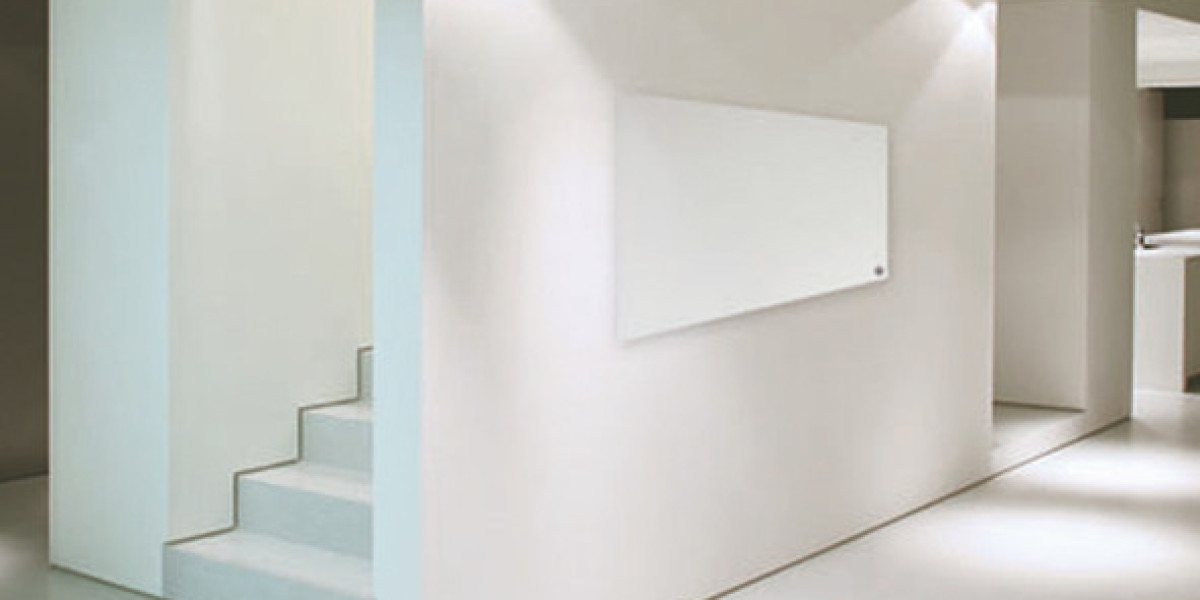

Infrared heating operates by emitting infrared radiation, a form of electromagnetic radiation. These rays directly warm objects, surfaces, and people within their range rather than heating the surrounding air, as traditional heating systems typically do. This direct approach ensures an even distribution of warmth, eliminating cold spots and reducing the energy required to maintain a consistent temperature.
By focusing on radiant heat, Infrared Heater replicate the natural warmth of sunlight, providing a comfortable indoor environment without the need for air circulation. This method of heating is not only efficient but also reduces the potential for airborne particles to spread, thereby contributing to a cleaner, healthier atmosphere. Additionally, the technology avoids the drying of air often associated with conventional heating systems, helping to maintain a more balanced indoor climate.
Reducing Airborne Allergens Naturally
Infrared heating units function without relying on air circulation, offering a distinctive advantage for reducing airborne allergens. Unlike conventional forced-air systems, these heaters warm objects and surfaces directly through radiant heat. This lack of air movement significantly decreases the spread of dust, pollen, and other microscopic particles that can aggravate allergies or respiratory sensitivities.
By eliminating the need for fans or vents, Infrared heating units also prevent the accumulation of allergens in ducts and other hidden spaces, further enhancing indoor air quality. This feature is particularly valuable in households with pets, where dander and fur particles can contribute to respiratory irritation. Moreover, their efficient heating method avoids the sudden temperature fluctuations that can release particles from surfaces or fabrics into the air.
The consistent, targeted warmth provided by Infrared heating units supports a more controlled indoor environment. This controlled environment helps limit exposure to common irritants, creating a space that promotes comfort and ease for those sensitive to airborne allergens.
Maintaining Optimal Humidity Levels
Infrared heating units help maintain balanced indoor humidity by providing a heating method that does not dry out the air. This feature ensures a comfortable environment while preserving the room's natural moisture content. The following points highlight how this technology supports optimal humidity levels.
Preserving Moisture in the Air
Traditional heating systems often reduce indoor humidity, leading to discomfort such as dry skin and respiratory tract irritation. Infrared heating units, by contrast, warm objects and surfaces without altering the air's moisture, helping maintain a balanced atmosphere.
Minimising Static Electricity
Dry air often leads to increased static electricity, which can be inconvenient in living spaces. The gentle warmth from Infrared heating units helps prevent excessive dryness, reducing the buildup of static charges on surfaces and fabrics.
Reducing the Risk of Cracked Wooden Furniture
Excessively dry air can cause wooden furniture or flooring to crack over time. By avoiding the drying effect associated with conventional heating systems, Infrared heating units help preserve the condition of wooden materials in the home.
Protecting Indoor Plants
Many indoor plants thrive in environments with consistent humidity levels. Infrared heating units support plant health by ensuring warmth without depleting moisture from the surrounding air.
Creating a Balanced Living Environment
By maintaining consistent humidity levels, Infrared heating units enhance the overall comfort of indoor spaces, supporting both human well-being and the longevity of household items.
Preventing Mould and Mildew Growth with an Infrared Bathroom Heater
Bathroom heaters play an essential role in reducing moisture levels, which can contribute to the growth of mould and mildew. By directly warming surfaces and objects, these heaters help to counteract damp conditions often found in bathrooms, particularly after showers or baths. The warmth generated by Infrared heating units promotes the evaporation of residual water from tiles, walls, and other surfaces, thereby limiting the prolonged presence of dampness.
Unlike traditional heating methods, which can create pockets of uneven warmth, infrared heating provides consistent coverage, ensuring no areas remain cold and susceptible to moisture retention. This even distribution of heat is particularly effective in discouraging the conditions under which mould and mildew thrive. Furthermore, Infrared Bathroom Heater does not rely on circulating air, which can exacerbate humidity in enclosed spaces—instead, radiant heat targets specific areas, maintaining a drier, more hygienic environment.
Bathrooms, being spaces with frequent exposure to water, often face challenges in maintaining cleanliness and preventing fungal growth. The efficient operation of a bathroom heater supports better indoor hygiene by actively reducing the risks associated with excess moisture. This method of heating is particularly suitable for maintaining a healthier environment in environments with high humidity.
Enhancing Respiratory Health Indoors
Infrared heating units offer a distinct advantage in creating an environment that supports respiratory health, unlike traditional heating systems that rely on forced air, which can distribute allergens and dust particles throughout a space. Infrared heating units heat surfaces and objects directly. This method minimises air movement, significantly reducing the spread of airborne irritants. By limiting the circulation of microscopic particles such as dust, pet dander, and pollen, these heaters create a calmer indoor atmosphere for those who may experience respiratory sensitivities.
The gentle, even warmth produced by Infrared heating units also prevents sudden temperature changes, which can exacerbate respiratory discomfort in individuals with conditions like asthma. Moreover, this technology avoids the drying effect often associated with conventional heating methods, helping to maintain the natural moisture balance in the air. This humidity preservation further supports respiratory comfort by preventing dryness in the nasal passages and throat, which can lead to irritation or coughing.
For households with children, elderly individuals, or those with compromised respiratory health, infrared heating offers a practical way to reduce exposure to common irritants. This approach enhances indoor air quality while providing consistent, efficient warmth that promotes overall physical well-being.
Promoting Better Sleep through Warmth
Infrared heating units create a soothing, stable warmth that supports relaxation and can significantly improve sleep quality. The heat emitted by these devices warms objects and surfaces directly, ensuring consistent temperatures throughout a room. This steadiness eliminates the discomfort caused by cold spots or sudden temperature fluctuations, which can disrupt rest and make it harder to achieve a peaceful night's sleep.
The gentle nature of infrared heating contributes to an environment that encourages the body to wind down in preparation for rest. Unlike traditional heating systems, which can cause dry air, infrared technology maintains the natural moisture balance in the atmosphere, reducing the likelihood of waking up with throat or nasal passage irritation. This balanced environment supports a more restful and uninterrupted sleep experience.
By delivering warmth without generating noise or air movement, Infrared heating units create a quiet, calm setting conducive to relaxation. Their efficient and targeted approach to heating allows individuals to feel comfortably warm without the air becoming overly dry or stifling. Such conditions are particularly beneficial during colder months, when maintaining a consistent temperature can enhance overall sleep quality.
Energy-Efficient Heating Solutions for Cleaner Air
Infrared heating units utilise advanced technology to convert nearly all the energy they consume into heat, making them an efficient choice for indoor heating. Their design focuses on delivering targeted warmth directly to objects and surfaces rather than wasting energy on heating the surrounding air. This precise method not only optimises energy use but also reduces reliance on conventional heating systems, which often entail higher energy consumption.
This form of heating indirectly supports cleaner air by reducing the need for extensive fossil fuel use in energy production, thereby lowering greenhouse gas emissions. In addition, the reduced energy demand aligns with sustainable living practices, supporting efforts to minimise environmental impact.
Infrared heating units operate without moving parts or fans, resulting in quieter, less intrusive operation. The absence of forced-air mechanisms helps maintain a stable indoor environment, free from additional dust or debris circulation. By relying on this energy-efficient technology, households can achieve consistent, comfortable indoor temperatures without compromising sustainability or cleanliness. Furthermore, the reduced maintenance needs of these heaters offer an additional advantage, streamlining their operation while conserving resources.
Minimising Dust Circulation in Living Spaces
Infrared heating units provide an effective way to reduce dust circulation in indoor spaces. Unlike traditional heating systems that depend on forced air to distribute warmth, Infrared heating units operate through radiant heat, warming objects and surfaces directly. This absence of air movement significantly reduces dust particle disruption and spread, creating a more settled and tranquil indoor environment.
The technology's ability to warm without relying on fans or vents also prevents the redistribution of accumulated dust from hidden areas, such as behind furniture or within heating ducts. This feature is particularly beneficial for spaces where maintaining cleanliness is essential, such as homes with individuals who have allergies or sensitivities to airborne particles.
Furthermore, the consistent and targeted nature of infrared heating helps to stabilise indoor temperatures, which may otherwise trigger the release of fine dust from surfaces due to sudden fluctuations. By eliminating this potential source of airborne irritants, the technology supports a cleaner atmosphere.
In addition, the quiet operation of Infrared heating units enhances a sense of calm in living spaces, avoiding disturbances from air circulation systems. This unobtrusive heating method promotes both physical comfort and a healthier indoor setting.
Combining Ventilation and Infrared Heating for Air Quality
Integrating ventilation systems with infrared heating offers a practical approach to improving indoor air quality. Infrared heating units provide consistent warmth without generating air movement, reducing the circulation of dust, pollen, and other airborne particles. Meanwhile, ventilation systems remove stale air and introduce fresh air into the space, supporting a more balanced, hygienic atmosphere. By allowing both systems to work in tandem, it becomes possible to maintain a clean, comfortable environment that balances warmth and air purity.
In settings where energy efficiency is a priority, pairing Infrared heating units with proper ventilation can help to optimise airflow without compromising on the even distribution of heat. This combination ensures that the air remains fresh while retaining warmth, particularly in spaces where air quality is crucial, such as homes with individuals prone to allergies or sensitivities. Effective ventilation also helps to regulate indoor humidity levels, complementing the non-drying nature of infrared heating by preventing the build-up of excessive moisture or dampness. Together, these technologies contribute to an indoor environment where air feels fresher, cleaner, and more comfortable, while maintaining the efficiency and targeted functionality of radiant heat.
Safe and Sustainable Indoor Heating Practices
Infrared heating units offer an efficient, environmentally responsible approach to indoor heating. Their design prioritises the direct warming of objects and surfaces, avoiding the excessive energy consumption often associated with traditional systems. By converting nearly all the electricity used into heat, these heaters support efforts to reduce energy wastage, aligning with sustainable living objectives.
The technology's quiet operation and lack of moving parts minimise maintenance requirements, ensuring long-term reliability without significant resource demands. Moreover, Infrared heating units operate without chemicals or fuels, avoiding the emission of harmful substances and contributing to a cleaner, safer indoor environment.
Conclusion
Infrared Heater offer a modern approach to creating healthier and more comfortable indoor environments. By directly warming objects and surfaces, they minimise air movement, reduce allergens, and maintain natural humidity levels, promoting overall well-being. This method supports respiratory health, protects furniture and indoor plants, and even enhances sleep quality. Coupled with energy efficiency and sustainable operation, infrared heating provides a safe, quiet, and eco-conscious solution. For households seeking clean air, consistent warmth, and lower energy use, Infrared heating units are a practical investment that benefits both health and the home.
FAQs
1. How do Infrared Heater improve indoor air quality?
Infrared Heater warm objects and surfaces directly, reducing air circulation and limiting the spread of dust, pollen, and allergens, creating cleaner air.
2. Can infrared heating help with allergies?
Yes, by minimising airborne particles and avoiding the use of fans or vents, Infrared heating units create a more comfortable environment for allergy sufferers.
3. Does infrared heating dry out the air?
No, unlike conventional systems, Infrared heating units maintain natural humidity levels, preventing dry skin, respiratory irritation, and static electricity.
4. Are Infrared heating units energy-efficient?
Yes, they convert most of the electricity into heat and precisely target warmth, reducing energy consumption and environmental impact.
5. Can Infrared heating units prevent mould and mildew?
Yes, especially in bathrooms, the consistent warmth helps evaporate moisture, discouraging dampness and fungal growth for a healthier space.
Related Business Listings |