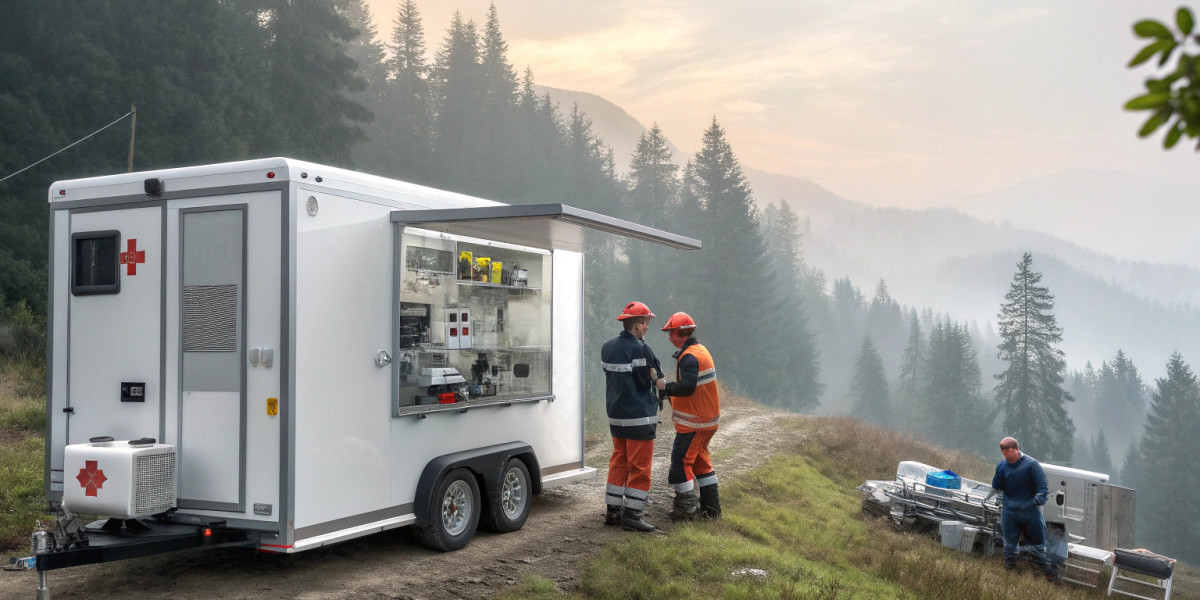

In a world where natural disasters, public health crises, and infrastructure failures are happening more often, mobile response units have become a critical part of modern response planning. In 2026, speed, mobility, and self-sufficiency are no longer optional; they are expected. These mobile units answer that need by bringing essential services directly to the location where help is required most.
This guide explains what emergency trailers are, how they are used, and why they play such an important role in today’s emergency preparedness strategies.
What Are Emergency Trailers?
These are mobile, towable units built to support disaster response, recovery, and temporary operations during emergencies. They are designed to function independently in areas where permanent buildings are damaged, unavailable, or unsafe.
Unlike basic cargo trailers, these units are fully equipped and purpose-built. Depending on the situation, they can provide sanitation, medical care, command operations, shelter, power, or communication support.
They are commonly used by:
Emergency management agencies
First responders
Government departments
Relief organizations
Military and defense teams
Utility and infrastructure crews
Common Types of Emergency Trailers
Trailers are not one-size-fits-all. Different situations require different setups.
Sanitation and Restroom Trailers
These trailers include toilets, sinks, fresh water tanks, waste storage, lighting, and climate control. They are essential when disasters disrupt water systems or public facilities.
Used during: floods, earthquakes, hurricanes, mass evacuations, and large emergency camps.
Medical Trailers
Medical units function as mobile clinics or triage centers. They may include examination areas, medical storage, sanitation systems, and power support.
Used during: health emergencies, disaster relief zones, and remote medical operations.
Command and Control Trailers
These trailers act as mobile headquarters for coordination, planning, and communication. They often include workstations, screens, radios, satellite connections, and power systems.
Used during: large-scale emergencies, wildfire response, and search and rescue missions.
Shelter and Support Trailers
Some trailers provide temporary housing, staff rest areas, or storage for critical supplies.
Used during: long-term recovery operations, remote response areas.
Why Trailers Matter More in 2026
Emergency response requirements have changed. In 2026, expectations are higher and response times are shorter.
Faster Deployment Is Essential
Trailers can be transported and operational within hours. This speed saves lives during the critical early phase of any crisis.
Infrastructure Failures Are Increasing
Storms, heatwaves, and aging systems cause frequent outages. Trailers operate independently, with onboard water, power, and waste systems.
Mobility Solves Location Challenges
Emergencies rarely happen near fully functional facilities. Trailers can reach remote, damaged, or temporary sites without needing permanent construction.
Multi-Purpose Use Reduces Costs
A single emergency trailer can be reused across multiple events and locations, making it a cost-effective option for agencies and organizations.
Key Features of Modern Trailers
In 2026, trailers are built with reliability and comfort in mind.
Common features include:
Self-contained water and waste tanks
Backup generators or solar power systems
Climate control for extreme weather
Durable, weather-resistant materials
ADA-compliant layouts
Secure storage and lighting
Easy towing and quick setup
These features allow teams to work efficiently, even under harsh conditions.
Who Uses Emergency Trailers in 2026?
Trailers are used across many sectors:
Government agencies for disaster response and public safety
Hospitals and health departments for mobile care units
First responders for field coordination and sanitation
Utility companies during power and infrastructure repairs
Event and crowd management teams in high-risk situations
Their flexibility makes them useful beyond emergencies as well, including training exercises and temporary operations.
Emergency Trailers vs Permanent Emergency Facilities
Permanent buildings have limits during crises. Trailers offer advantages such as:
No construction delays
Lower upfront investment
Easy relocation
Immediate availability
Use across multiple regions
For many organizations, trailers are now a core part of preparedness plans, not just a backup option.
The Future of Emergency Trailers
As response planning continues to evolve, trailers are becoming smarter and more efficient. Designs focus on durability, ease of use, and the ability to support teams for longer periods without resupply.
In 2026, trailers are not just helpful, they are necessary tools for protecting communities and maintaining order during unpredictable events.
Conclusion
Emergency trailers play a vital role in modern emergency response by providing fast, mobile, and reliable support where it is needed most. From sanitation and medical care to coordination and shelter, these trailers help responders act quickly and effectively. As emergencies grow more complex, trailers remain one of the most practical solutions available.
Looking for reliable emergency trailers for rapid response in 2026? Invest in high-quality trailers today to ensure preparedness, mobility, and dependable support when emergencies strike.
FAQs
1. What is the main purpose of emergency trailers?
Trailers provide mobile support during disasters by offering sanitation, medical care, command centers, shelter, or power in locations where fixed facilities are damaged or unavailable.
2. Who typically uses these units?
They are commonly used by government agencies, first responders, hospitals, relief organizations, utility companies, and disaster management teams during emergencies and recovery operations.
3. Are these units suitable for long-term use?
Yes, many are designed for extended deployment with self-contained water, power, and waste systems, making them suitable for both short-term response and long-term recovery.