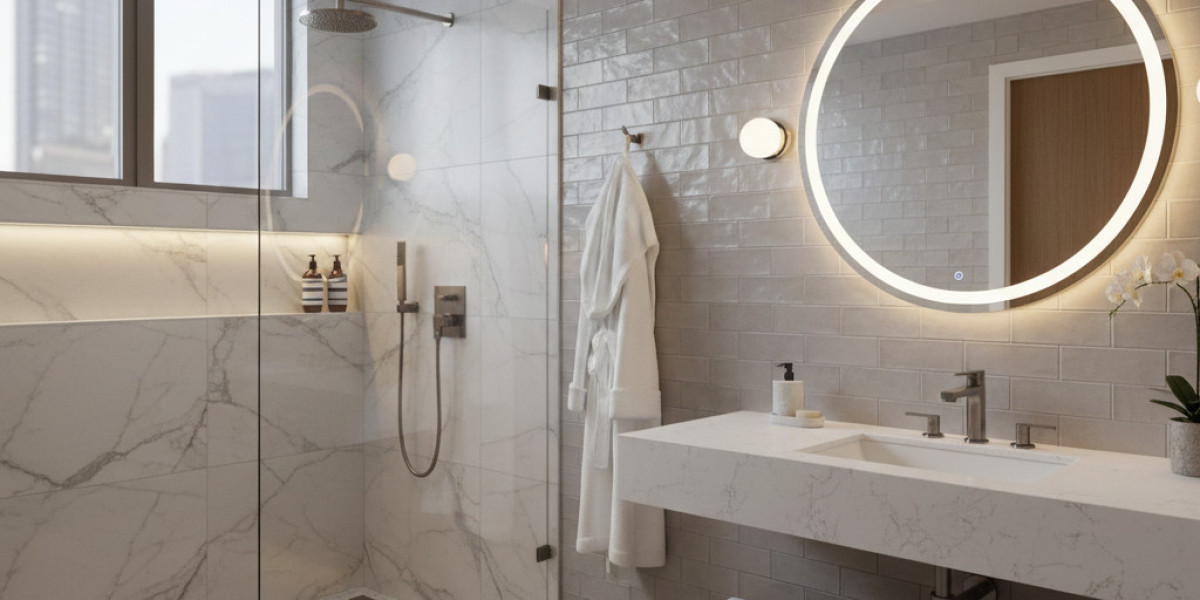

So, you’re thinking about a bathroom remodelling project. Welcome to an exciting journey that promises not only to refresh one of the most frequently used rooms in your home but also to enhance your daily routine and increase your property's value. Whether you’re dreaming of a spa-like retreat, a more functional family bathroom, or a simple yet impactful update, a successful renovation requires careful planning, smart design choices, and a clear understanding of the process. This comprehensive guide is designed to walk you through every step, offering practical advice, trending ideas, and key considerations to ensure your project is a resounding success, from the first inspirational pin to the final towel hook.
Why Consider a Bathroom Remodelling Project?
A bathroom remodel is more than just an aesthetic upgrade. It is a strategic investment in your home and well-being. An updated bathroom can improve energy and water efficiency with modern fixtures, address underlying issues like mould or poor ventilation, and dramatically improve the functionality and storage of the space. Furthermore, it often yields one of the highest returns on investment in home renovations, making it a wise financial decision should you ever decide to sell. Beyond the numbers, however, lies the daily comfort of a space that works perfectly for you and your family—a personal sanctuary tailored to your needs.
The First Steps: Planning and Budgeting
Before you pick up a hammer or choose a tile sample, a solid plan is your most important tool. Start by defining the scope of your bathroom remodelling project. Are you doing a full gut renovation, moving plumbing walls, or a cosmetic refresh? Next, establish a realistic budget. As a rule of thumb, allocate 10-20% of your total budget for unexpected issues, which are common in projects involving plumbing and old walls.
Consider the cost breakdown carefully. Labour often consumes 40-60% of the budget, with fixtures, tiles, and cabinetry making up the bulk of material costs. Getting detailed quotes from several contractors is crucial. Also, decide on your level of involvement. Will you act as your own general contractor, or do you prefer a turnkey service from a design-build firm? Each choice has implications for your budget, timeline, and stress levels.
Designing for Function and Flow
Great design marries beauty with practicality. Start by analysing how you use your bathroom. Do you need dual vanities for a busy morning rush? Would a walk-in shower with a bench be safer and more luxurious? Is storage for towels and toiletries a priority?
Pay close attention to the classic "work triangle" of the bathroom: the sink, toilet, and shower/tub. Ensuring there is comfortable, unobstructed movement between these points is key to a functional layout. For smaller bathrooms, space-saving solutions like wall-hung vanities, corner sinks, and sliding doors can make a world of difference. Always remember, a well-thought-out floor plan is the foundation of a bathroom you’ll love for years to come.
Trending Design Ideas for Your Remodel
While timeless design ensures longevity, incorporating a few contemporary trends can give your bathroom a fresh and updated feel.
Spa-Like Sanctuaries: This remains a top trend, focusing on creating a calm, restorative atmosphere. Think neutral colour palettes, natural materials like stone and wood, rainfall showerheads, and freestanding tubs.
Bold and Beautiful: Conversely, many homeowners are embracing maximalism. This includes statement tiles with vibrant patterns, dark, moody hues on walls or cabinets, and eye-catching, artistic fixtures.
Smart Bathroom Technology: Tech integration is rising rapidly. Consider adding waterproof speakers, smart mirrors with LED lighting and defoggers, digital shower controls for precise temperature, and even smart toilets with bidet functions.
Accessible and Universal Design: Designing for all ages and abilities is both thoughtful and forward-thinking. Features like curbless showers, grab bars that double as towel rails, and comfort-height toilets are becoming standard in many remodels.
Sustainable Choices: Eco-conscious materials like recycled glass tiles, sustainably sourced wood vanities, and low-flow, high-performance toilets and faucets are excellent choices for reducing your environmental footprint and utility bills.
Navigating Material Selection
The materials you choose define the look, feel, and durability of your bathroom. In wet areas, porcelain or ceramic tiles are top choices for floors and walls due to their water resistance. Natural stone like marble or slate offers unparalleled beauty but requires more maintenance. For vanities, consider how the material will handle humidity; sealed solid wood or moisture-resistant MDF are popular options.
When selecting finishes (like faucet and handle styles), consistency is key. Choose a single finish family—such as brushed nickel, matte black, or chrome—and carry it throughout the space for a cohesive look. Don’t forget about lighting! Layered lighting with ambient, task (like sconces by the mirror), and accent lights is essential for both functionality and atmosphere.
The Renovation Process: What to Expect
Understanding the typical timeline and workflow can help manage expectations. A full bathroom remodelling project usually takes 3-6 weeks, depending on complexity.
Demolition: The old fixtures, tiles, and walls are carefully removed.
Rough-In Work: This is when any new plumbing lines, electrical wiring, and ventilation ducts are installed behind the walls and under the floors.
Inspections: Building code inspections often occur after the rough-in stage.
Closing Walls & Flooring: New drywall (preferably moisture-resistant ‘green board’) is hung, and subflooring is prepared.
Tiling: Wall and floor tiles are installed, which is a meticulous process requiring drying time.
Finishing Work: Vanities, toilets, shower doors, and faucets are installed. Lighting fixtures and mirrors are hung.
Painting & Final Touches: Walls are painted, and all final details like towel bars, toilet paper holders, and accessories are added.
Clear communication with your contractor throughout these phases is vital to avoid delays and ensure the final result matches your vision.
Avoiding Common Pitfalls
Even with the best plans, challenges can arise. One major pitfall is underestimating the budget or timeline. Another is prioritising form over function—a stunning freestanding tub is less appealing if you truly needed a spacious shower. Overlooking storage is a common regret. Ensure you have a designated place for everything, from hairdryers to cleaning supplies. Finally, don’t sacrifice ventilation. A high-quality, adequately sized exhaust fan is non-negotiable to prevent mould and moisture damage, protecting your beautiful new investment.
Conclusion: Enjoying Your Newly Transformed Space
A successful bathroom remodelling project culminates in a space that reflects your personal style and simplifies your daily life. By investing time in the planning stages, making informed design and material choices, and partnering with reliable professionals, you can navigate the renovation journey with confidence. The result is more than just a new bathroom; it’s a renewed sense of comfort, efficiency, and enjoyment in your home. So, take a deep breath, step into the planning phase with excitement, and get ready to create the bathroom you’ve always wanted.